

Specialty-Trained Experts To Care for Your Heart
We’re here for those who have been recently hospitalized or those who are looking for new ways to manage chronic heart failure. Our experts are specialty-trained in heart failure to support those with even the most advanced or complex cases.
ProMedica Physicians has two board-certified advanced heart failure specialists and one dedicated heart failure advanced practice provider. This team is the only dedicated, full-time heart failure team in the Toledo area.
Our specialists do not replace your cardiologist, but provide additional guidance, expertise and treatment options. With our specialized knowledge and comprehensive, team-based approach, we’ll develop a care plan just for you.
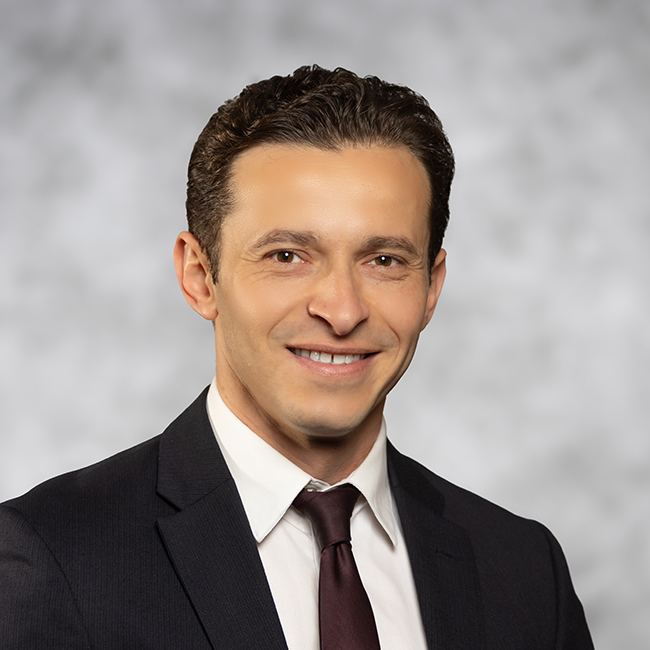
Ahmed Harhash, MD
Advanced Heart Failure & Transplant Cardiology, Interventional Cardiology
New to ProMedica!
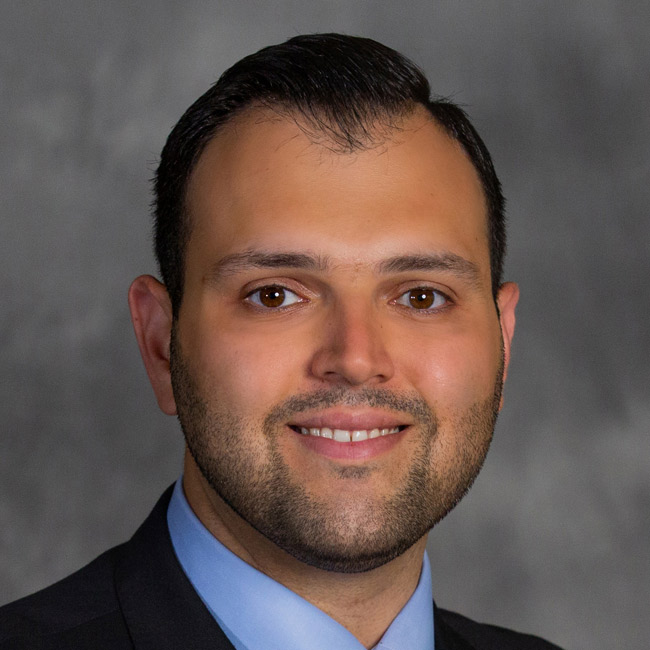
Imad Hariri, MD, FACC, FHFSA
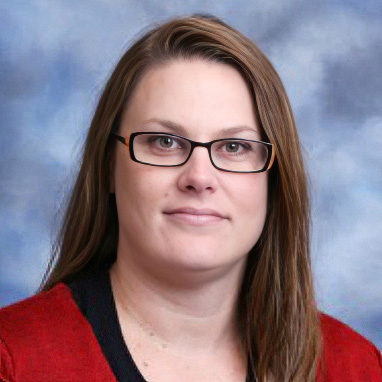
Janice Rettig, APRN-CNP, HF-CERT
Advanced Heart Failure Treatment and Therapies
We understand the unique needs of those with a failing heart. It’s common for individuals with congestive heart failure to have other health conditions, too. We offer therapies that will keep your heart functioning as well as possible, while considering your other medications and health conditions.
Some of our advanced treatments include:
Virtual Medication Management
Our dedicated clinical pharmacists use a virtual, mobile platform that allows you to directly communicate with your care team and delivers timely care to you right at home. Using this platform, we are able to make changes to your medications, order testing and follow up on new issues or side effects that may arise. This keeps you in control of your heart condition and on top of the treatment plan. This helps ensure that patients are on the right medication and the right dose of that medication per guidelines.
Study after study has shown that patients who are on the appropriate medications and dosage of the prescribed medications have the best chance at living longer, staying out of the hospital and having less burden of heart failure symptoms.
Over the years, this program has allowed our patients to be on the most optimal medical regimen for treating their heart failure, consistently exceeding national statistics.
Outpatient IV Diuretic Infusion Program
When oral diuretics (water pills) aren’t effective at relieving symptoms of congestion, we connect patients to an outpatient infusion program. This helps reduce swelling, removes excess fluids and aims at reducing the chance of being hospitalized.
Remote Cardiac Pressure Monitoring
We offer technologies that help remotely monitor fluid levels. Monitoring heart and lung pressures gives your care team insight into potential worsening symptoms long before physical symptoms manifest and patients are hospitalized.
Monitoring can be done through non-implantable devices or an implantable device, such as the FDA-approved pulmonary artery pressure sensor, CardioMEMs.
Managing Rare Cardiomyopathies
Our heart failure experts have specific expertise in managing rare kinds of heart disease, including amyloidosis and sarcoidosis. Managing these diseases along with heart failure can help improve outcomes and quality of life.
Evaluation for Advanced Heart Failure Therapies
Medications and conventional treatment may not be enough for those with end-stage heart failure.
We evaluate patients for the implantation of mechanical heart pumps as a way to treat their heart failure. For instance, a left ventricular assist device (LVAD) is a mechanical pump that is surgically implanted to help circulate blood. We also evaluate patients for heart transplant in collaboration with cardiac transplant centers in our region.
Clinical Trials
We offer patients with heart failure and chronic heart disease enrollment in some of our research and clinical trials. We are pleased to be able to afford patients in our community the opportunity to be part of leading clinical trials.
Managing Your Symptoms
If you are experiencing recurrent symptoms, it’s time to see if one of our heart failure specialists can help. The symptoms of heart failure may include:
Swelling in the legs or feet that is getting worse that is not controlled by water pills.
Shortness of breath with minimal action or at rest.
Shocks from cardiac defibrillators.
Recurrent hospital admissions for heart failure symptoms.
Failing organs, including the kidneys or liver.
Heart failure can be a debilitating condition. While heart failure has no cure, heart failure symptoms can be very well managed to provide patients with the best quality of life. Severe heart failure may be under-recognized and timely care of your heart failure symptoms will ultimately lead to better outcomes.
Speak to your primary care provider or cardiologist about including a heart failure specialist on your care team and about a referral to the ProMedica Heart Failure Clinic closest to you.

Patient Reviews
Justin Lea, MD
“All doctors should use Dr. Hariri as their role model. All plans going forward include my opinion and he is flexible and explores options.”
Benjamin Assenmacher, MD
“I've only seen this Dr. Hariri in his office on two occasions so far, but both times I have been impressed with the questions he asks, how careful he pays attention to my responses, and then explains the reasons for the tests/treatments that he is ordering.”
Benjamin Assenmacher, MD
“I would definitely refer any of my family or friends without hesitation.”
Benjamin Assenmacher, MD
“Janice Rettig is an excellent communicator. She listened attentively to my concerns, shared a wealth of information about how my medications work, and even mentioned possible complications to be aware of down the road.”
Benjamin Assenmacher, MD
“This office is excellent at including the patient in their care. All the staff in this office are very nice and make the patient feel important.”
Benjamin Assenmacher, MD
“She [Janice Rettig] went above to explain everything about my care and treatment with me making sure I understood everything about my care.”
Call us at 419-291-7577 with your doctor's referral.
Featured Locations
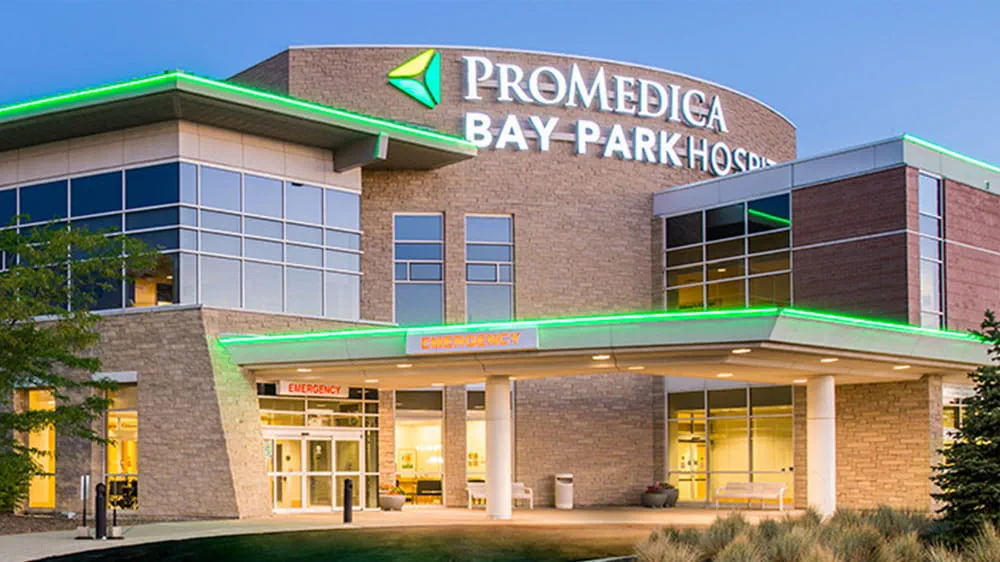
ProMedica Heart Failure Clinic - Oregon
2801 Bay Park Drive, Oregon, Ohio 43616
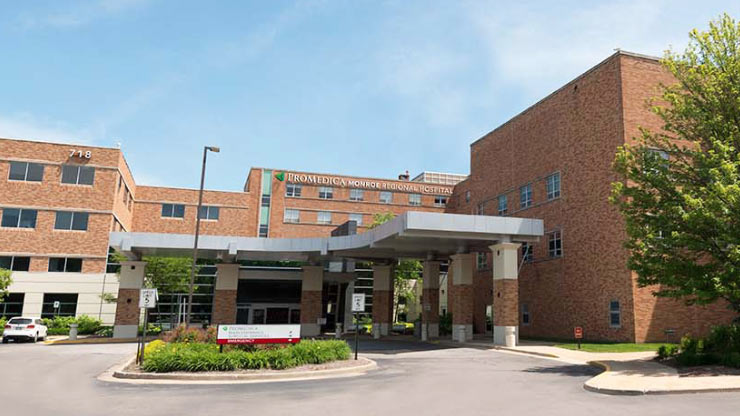
ProMedica Heart Failure Clinic - Monroe
730 N. Macomb St., Monroe, Michigan 48162
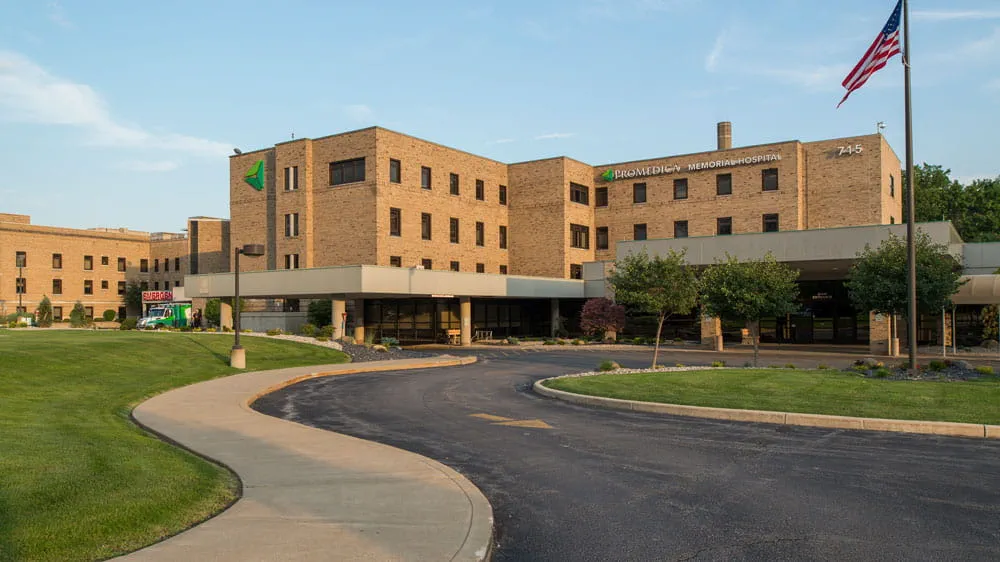
ProMedica Heart Failure Clinic - Fremont
715 S. Taft Ave., Fremont, Ohio
43420
Related Services & Conditions
ProMedica Heart Institute
At the ProMedica Heart Institute, we're committed to helping you live your very best life. You can count on our heart team for compassion, expertise and the most advanced technologies available — all so you can benefit from the very best in cardiac care.
Related News & Stories
No cards to display.
This page was reviewed by Imad Hariri, MD, Specialty-trained Advanced Heart Failure Cardiologist.