
Whether you’re jumping back into a workout routine or jumping in for the first time, getting started and then staying consistent is often be the hardest part.
Discover ways to rethink exercise to make movement more fun and expand your idea of what exercise looks like throughout your day.
It’s More About Consistency Than Intensity
Don’t feel like you have to jump into intense movement at the start. Just set aside 20 to 30 minutes a couple of times a week for dedicated movement. As you get more comfortable, you can increase the amount of time you work out with duration and frequency.
“You don’t need anything to get started. Start with simple bodyweight exercises like push-ups, squats and sit-ups. Or go for a bike ride or find a treadmill to get some steps in,” shares William Long, DO, a family and sports medicine provider with ProMedica Physicians Wildwood Family Practice.
Dr. Long suggests taking your personal history with exercise and fitness level into account as you’re making your plan. If you were a past athlete, or familiar with working out, you might be able to jump back in quicker than someone who doesn’t have much experience with movement.
Regardless, adjust the intensity and duration of exercises for your experience and comfort level. Talk with your doctor about your exercise goals. Especially if you’re new to exercise or starting again after an injury.
Pick a day to begin and get started! “Whether it’s this summer, after a vacation or today – it doesn’t matter. Just pick a day to begin and stick with your plan,” shares Dr. Long.
Non-Exercise Movement Can Contribute Toward Your Goal
In addition to setting aside time for movement, find ways to incorporate movement into your daily exercise routine. A large portion of your daily energy expenditure goes toward activities other than exercise. Including activities such as such as walking, standing or fidgeting. This is known as non-exercise activity thermogenesis (NEAT).
According to a study published in the National Library of Medicine, NEAT can account for up to 50% of daily total energy expenditure in active individuals, compared to only 10% in individuals who live a primarily sedentary lifestyle. When you compare this to the energy expended during a workout, typically around 15-30% of your daily total energy expenditure, it’s a significant chunk.
This means that if you’re intentional about it, you can burn a good number of calories throughout your day outside of your dedicated workout time.
Work toward increasing your NEAT by taking walks, standing at your desk instead of sitting, taking the stairs or parking in the back of the parking lot.
Increased Movement Calls for Increased Water Intake
If you’re increasing your daily movement, you should also increase your daily water intake. Every day, you should drink half an ounce of water for every pound that you weigh. This means that on average, males should aim to drink at least 12 cups of water a day, and females should aim for 8.5 cups a day.
Drink an extra glass of water or two during and after doing an activity that makes you sweat. This will help you replenish any fluids that you lost during the workout and prevent dehydration.
Find fun ways to enhance your post-workout waters by adding natural flavor enhancers like fruit, vegetables or herbs. This can help remind you to drink more and give you something to look forward to after your workouts.
Movement Doesn’t Have to Be a Chore
“Working out doesn’t have to be a chore,” Dr. Long shares. “Sometimes, you just need to shift your mindset. Find an activity that you enjoy and can look forward to doing.”
Find your thing – and remember, it doesn’t need to be a typical workout activity. Movement can be anything from running, to strength training, to pickleball. Just find a type of exercise that you enjoy and make doing it a habit!
Finding someone else to join you for your workouts can also help. Whether it’s your partner, a friend or a personal trainer, having a workout buddy can make working out more fun and help you stick to your goals.
“It’s important to not get too lost in your goals or the numbers on the scale,” Dr. Long emphasizes. “Focus on making movement a part of your lifestyle and the rest will come along with it.”
William Long, DO
Dr. Long is a family and sports medicine provider with ProMedica Physicians. View his profile.
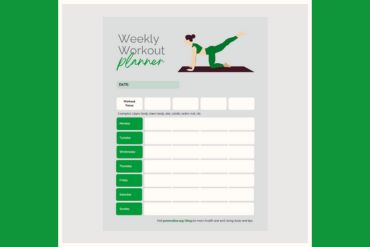
Make movement a habit with this Weekly Workout Planner!
Subscribe to Our ProMedica Newsletter
Looking for inspiration on how to improve your health and well-being? Get trustworthy health news, wellness tips and inspirational patient stories delivered to your inbox twice a month with our free ProMedica newsletter.