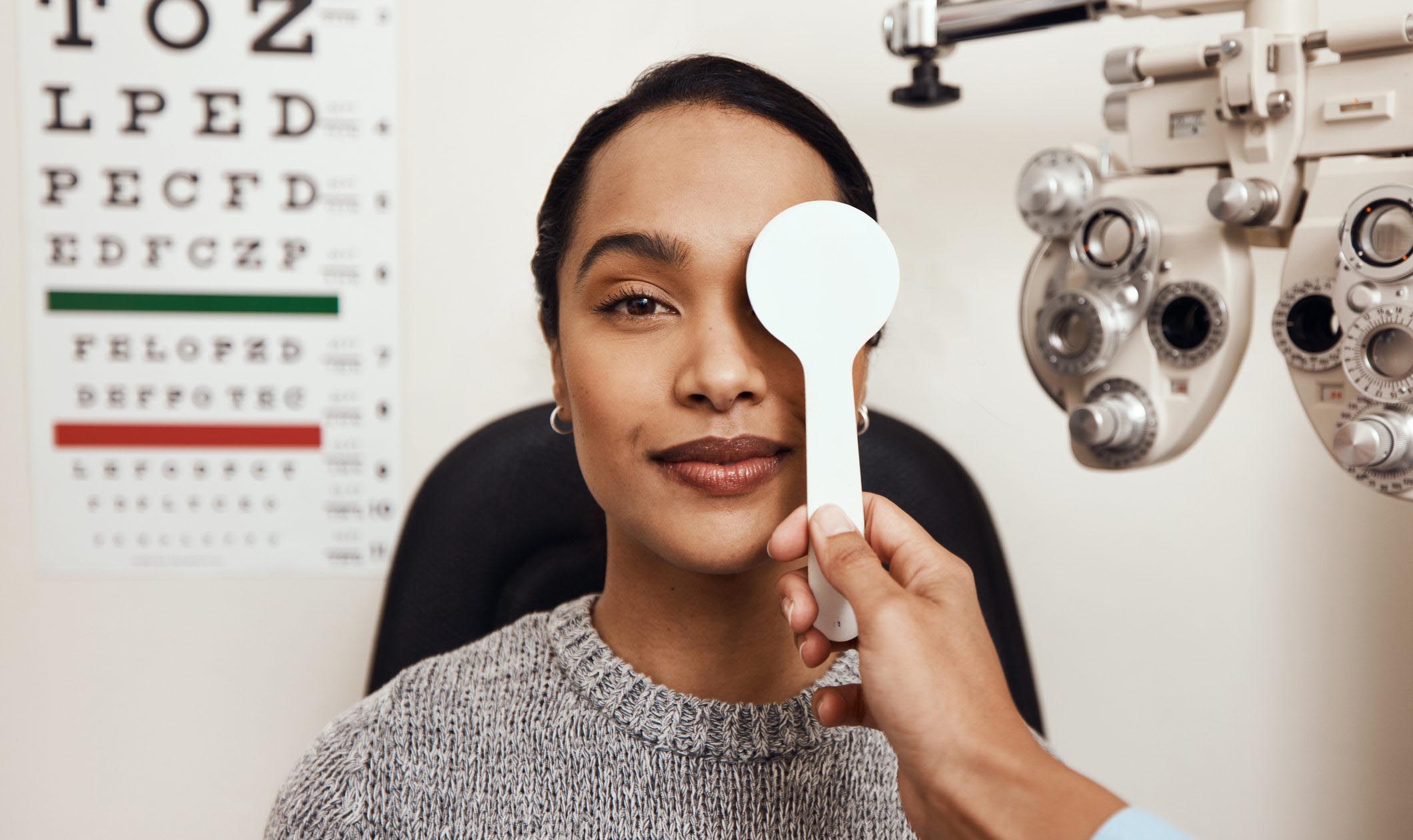
Did you know that vision loss is among the top ten causes of disability for adults in the United States? Fortunately, there are some simple steps you can take now to protect your eyes and make sure they are as healthy as they can be.
How Exercise and Diet Impact Eye Health
Just like the rest of your body, your eyes need a balanced diet and daily movement to be able to function at their best. Being overweight and having elevated blood pressure and cholesterol levels can cause eye problems. These problems may include diabetic retinopathy, glaucoma, age-related macular degeneration and age-related cataracts.
“Eating the right foods and getting enough exercise is an often-overlooked form of preventive care. Good nutrition and exercise can slow or prevent a variety of age-related eye problems altogether,” shares Michele Schlagheck, OD, ProMedica Physicians Vision Associates – Toledo.
Carrots aren’t the only food for eye health. Eat dark, leafy green vegetables such as spinach, kale and collard greens. Also enjoy nuts, berries and cold-water fish, like salmon, tuna and halibut to maintain good eye health.
Genetic Links to Eye Diseases and Vision Impairments
Speak with your family members about what kind of vision issues they may have — some might not be obvious. Hereditary diseases include:
- Age-related macular degeneration (AMD). As the leading cause of blindness in people over 50, AMD affects the central part of the retina and can cause blurry vision, sensitivity, loss of color vision and blindness.
- Glaucoma. A group of diseases that damage the optic nerve, causing issues with information being carried from the eye to the brain.
- Corneal dystrophies. An abnormal buildup of materials in one or more layers of the cornea that causes blurry or distorted vision.
- Color blindness. Mutations in genes cause a difficulty in perceiving certain colors or distinguishing between them.
- Optic atrophy. The optic nerve that carries information from the eyes to the brain loses function resulting in vision loss, blurred vision, difficulty seeing colors and blindness.
- Retinitis pigmentosa. As the most common inherited eye disease, retinitis pigmentosa affects the retina causing progressive vision loss. Symptoms often begin as night blindness, peripheral vision loss and sensitivity to bight light, and then progress to color vision loss and gradual loss of central vision.
There’s even been genetic links to other eye conditions such as near-sightedness, far-sightedness, astigmatism and strabismus (when eye muscles don’t work together, resulting in one eye turning in one direction and the other eye another).
If your family members have or had any of these eye diseases or problems, you may be at a higher risk. Share your family’s eye history with your eye doctor so that they can watch for signs of anything developing over time.
What To Look for in Eye Protection
Whether it’s sunny or cloudy, wearing sunglasses is one of the easiest ways that you can protect your eye health. Sunglasses help protect your eyes from harmful UV rays, which are present even on cloudy days. Choose sunglasses that offer both UVA and UVB light protection and are polarized. Exposure to UV light can speed up cataract formation and macular degeneration, damaging your vision down the road.
You should also avoid tanning beds as they expose you to a high level of UV light. If you do choose to use a tanning facility, make sure you wear protective eyewear. It’s best to buy your own so they’ll fit your eyes snugly. If you use the facility's goggles, make sure they are clean. This helps you avoid getting an infection from someone else.
Additionally, be sure to wear protective eyewear when playing sports. And wear safety glasses when performing home renovation projects or doing yard work. Protective eyewear will help stop stray debris from flying back into your eyes. Fog-free goggles work great for all these situations.
Why You Need an Annual Dilated Eye Exam
Eye exams are important for eye health and overall health. You may think that an eye exam is not necessary if your eyesight is good. However, eye issues are often not able to be seen with the naked eye. You may not even have any vision problems! The only way to check if your eyes are healthy is to have your eye doctor perform a dilated eye exam.
Dr. Schlagheck explains the importance of receiving dilated eye exams, which widens the pupils to give a better view of the back of the eye. She says, “Instead of looking through a keyhole, we are able to open the door and actually look in when eyes are dilated. We have a much wider field of view to look for any problems.”
When your eyes are dilated, your eye doctor can peer into the peripheral part of your retina. They will check for abnormalities such as melanoma, discover retinal tears before they turn into detachments; detect any optic nerve swelling; notice conditions related to hypertension, diabetes and thyroid conditions; and even detect toxicities to medications or supplements. Many eye issues cannot be cured, but progression can be slowed, or even stopped if caught early enough.
Your eyes help you experience the world around you – don’t take them for granted.
Michele Schlagheck, OD
Dr. Schlagheck is an optometrist with ProMedica Physicians Vision Associates – Toledo. View her profile.
Subscribe to Our ProMedica Newsletter
Looking for inspiration on how to improve your health and well-being? Get trustworthy health news, wellness tips and inspirational patient stories delivered to your inbox twice a month with our free ProMedica newsletter.