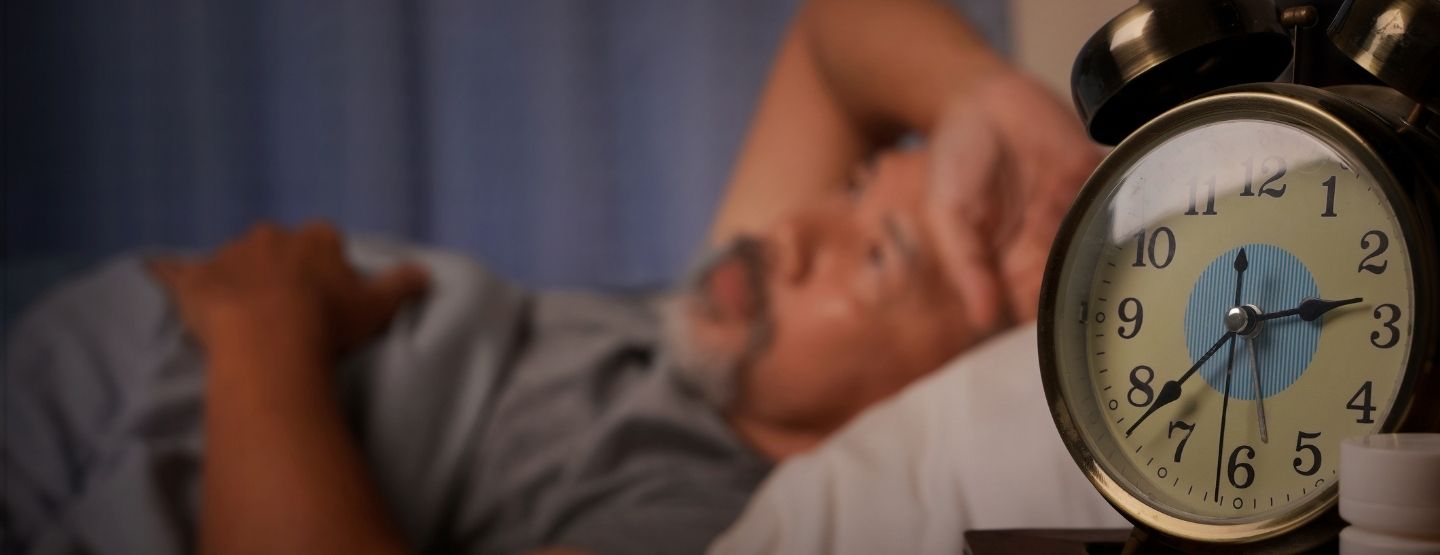
Our bodies are always changing. In midlife, we can face many changes at once – aches and pains, insomnia, kidney stones. Although some health issues in midlife can be symptoms of menopause, it’s important to know that many can happen to both men and women.
Rachel Mullins, CNP, from ProMedica Physicians Medicine | Family Medicine Levis Commons, shares some of the most common health issues that arise, how we can treat them at home and when it’s time to see your primary care provider.
1. Aches and Pains
Aches and pains in our muscles and joints are common as we get older. We’re not moving around as much as we used to, and we’re more susceptible to painful conditions such as osteoarthritis, degenerative disc disease and bone spurs.
Certain conditions can also raise your risk of developing a painful issue. For instance, those with diabetes are more likely to develop frozen shoulder, a painful condition that limits range of motion in the shoulder.
“Women, especially, experience aches and pains as we get older because we’re not producing as much estrogen, which helps reduce inflammation in the body,” explains Rachel. “We may also become more aware of existing pain after our lives settle down or our kids have moved out of the house.”
If you’re dealing with aches and pains, some time in the water may bring relief. “Water aerobics can help with your range of motion, and baths or float spas in Epsom salt may help with relaxation and decreasing inflammation,” says Rachel.
Other home remedies, such as stretching, movement and supplements to reduce inflammation, may help lessen acute pain. If these aren’t working, you should be seen by your primary care provider. It could be something more serious, or lead to chronic pain, which is pain that lasts more than three months.
2. Kidney Stones
Mineral deposits that form in the kidneys can develop into kidney stones and become painful if they are too large to pass through urination. Preventing them comes down to hydration and nutrition.
“Hydration is the No. 1 thing because most people, especially as you get older, don’t drink enough water,” explains Rachel.
She also says that staying away from fatty foods can help, too. Some health care providers may recommend apple cider vinegar to reduce inflammation and prevent kidney stones. Getting the right amount of carbohydrates (not too much and not too little) can also help.
“If you start having severe flank or abdominal pain, or you’re having pain and burning with using the restroom, it’s time to see a health care provider,” says Rachel. “Nausea, blood in the urine, vomiting and fevers can also be a sign that there’s something else – possibly a kidney infection – going on.”
Even if you’d previously had kidney stones, seeing your provider and having a CT scan can help ensure that the stones aren’t blocking anything, which could lead to further infection.
3. Insomnia
A lot of things can contribute to insomnia, a sleep disorder that makes it hard to fall asleep or stay asleep. Sometimes, the reasons for insomnia are within our control, such as using technology at night or not having a consistent sleep pattern.
“The bedroom should be strictly for sleep and sex,” says Rachel. “You shouldn’t be eating in bed or watching TV in bed. With decreased stimulation, it’s easier to get the 6-8 hours of sleep that’s needed.”
Napping during the day can also contribute to problems at night. It can cause broken sleep patterns, especially when you’re napping an hour or two during the day.
Rachel recommends that individuals who have trouble sleeping decrease caffeine intake and avoid alcohol and stimulants, such as nicotine. If you often get up in the night to use the bathroom, stop eating and drinking an hour before bedtime. Melatonin and magnesium supplements at night (if needed) can help induce sleepiness, but everyone is different.
Certain health issues can make it difficult to get quality sleep. Sleep apnea, restless leg syndrome, Parkinson’s disease, snoring and chronic pain can all lead to waking up in the night. Pain medications and sleep medications may help.
“If you’re going to take anything for sleep, you should see your doctor more frequently to make sure you’re not having dementia-type symptoms or that the medication isn’t making you mean. Sometimes in older people, medications can cause behavior changes,” Rachel explains.
Stress can also be a factor in sleep disruption. Having relaxing hobbies, spending time with pets, doing yoga or going for a brisk walk can help relieve stress in the body, making it easier to stay asleep at night.
4. Night Sweats and Hot Flashes
During perimenopause and menopause, night sweats can disrupt sleep. You may go from being sweaty and hot to being too cold after you tear off the blankets. Try to make the room as comfortable temperature-wise as you can, with options for layering up or cooling down as needed.
Over-the-counter supplements, such as omega-3 fatty acids and vitamin E can sometimes help. If you find yourself dripping in sweat or having trouble sleeping at night, it may be time to talk with your provider. Not every woman is a good candidate for hormone therapy, but non-hormonal treatment options are also available by prescription.
“For vasomotor symptoms [night sweats and hot flashes], hormone replacement therapy is the gold standard,” says Rachel. “Some people don’t want to be on it, but it has been researched and there are multiple studies that demonstrate its success.”
For those with a uterus, estrogen and progesterone are often used together. This is because progesterone can help prevent breast cancer for those with a uterus. For those without a uterus, generally estrogen alone is used.
“We don’t recommend hormone replacement therapy long term. The idea is to start it early on and use it for maybe five years because that’s how long it takes for your body to get used to the lack of estrogen,” explains Rachel. “If you’re six or ten years into perimenopause and then want to try it, it’s kind of a moot point because your body is already getting used to it.”
Because hormone therapy increases the risk of blood clots, you’ll need closer monitoring with your health care provider if you take it.
5. Mood Swings
Mood swings and mood changes can affect anyone. Sometimes, it can be harder to spot with men because it may lead to depressed feelings or anxiety. Men are also more reluctant to seek help.
“I think there’s a societal taboo. Men are supposed to be ‘the man’ and be strong. They aren’t ‘supposed to’ have issues,” says Rachel. “Unfortunately, some men end up committing suicide because they just can’t handle it anymore.”
Because some antidepressant medications may increase the risk of erectile dysfunction, Rachel often tries Zoloft first. BuSpar can also be used for anxiety, and in lower doses. Selective serotonin reuptake inhibitors (SSRIs) can also be considered for depression or other mental health conditions.
It’s good to weigh the benefits and risks of these medications before starting.
“If it’s hard to have your normal, if you’re not managing at home well, or it’s getting to the point where people are starting to make comments or not want to spend time with you, it’s time to seek help,” says Rachel.
She adds that mood changes can sometimes affect relationships between spouses, children and grandchildren: “Wives might say their husband’s whole personality has changed. Grandchildren may say Nana and Papa are angry all the time. People want their family around inherently. They don’t know what’s going on and how to control it sometimes.”
Sometimes, mood changes can come about from a life-altering trigger, such as the death of a spouse or diagnosis.
“I often talk to my patients about seeing a psychologist because sometimes you just need that ear from someone who is on the outside and non-biased,” Rachel explains. “Society needs to change to the point where we encourage people, you know, to open up and express their feelings instead of keeping everything bottled up.”
6. Urinary Incontinence
The loss of bladder control is a common problem with age. Diabetes and obesity can also contribute to weakened muscles that affect urinary incontinence.
Stress incontinence is when you leak urine while coughing or sneezing. Urge incontinence, also known as overactive bladder, is when you have frequent, uncontrollable urges to urinate.
“Make sure you’re drinking plenty of fluids, eating a high-fiber diet and getting in exercise,” says Rachel. “And make sure you’re not holding your bladder, which isn’t a good thing either.”
Seeing a specialist can help you get to the root of the problem and determine a plan for treatment. For instance, pelvic congestion syndrome is a vascular condition where the ovarian and pelvic veins become engorged, similar to varicose veins on the legs. This condition can contribute to urinary incontinence.
Seeing a pelvic floor physical therapist can help with muscle coordination and strengthening, which may improve your bladder function.
Pelvic floor physical therapists can also help with symptoms that we, especially women, think are normal. Cramps, pelvic pain, pain with sex, urinary incontinence after pregnancy – there are reasons behind these issues. If they are affecting your daily life, a doctor can help.
“It’s not in your head,” says Rachel. “And there are specialized gynecologists that can help treat it.”
Getting Help for Midlife Issues
It can be easy to shrug off some of these common midlife issues, but if a health problem is affecting your quality of life, it’s time to take action. Your primary care provider is a great place to start. They can get to know your medical history and recommend treatments. They can also refer you to a specialist, if needed.
Subscribe to Our ProMedica Newsletter
Looking for inspiration on how to improve your health and well-being? Get trustworthy health news, wellness tips and inspirational patient stories delivered to your inbox twice a month with our free ProMedica newsletter.