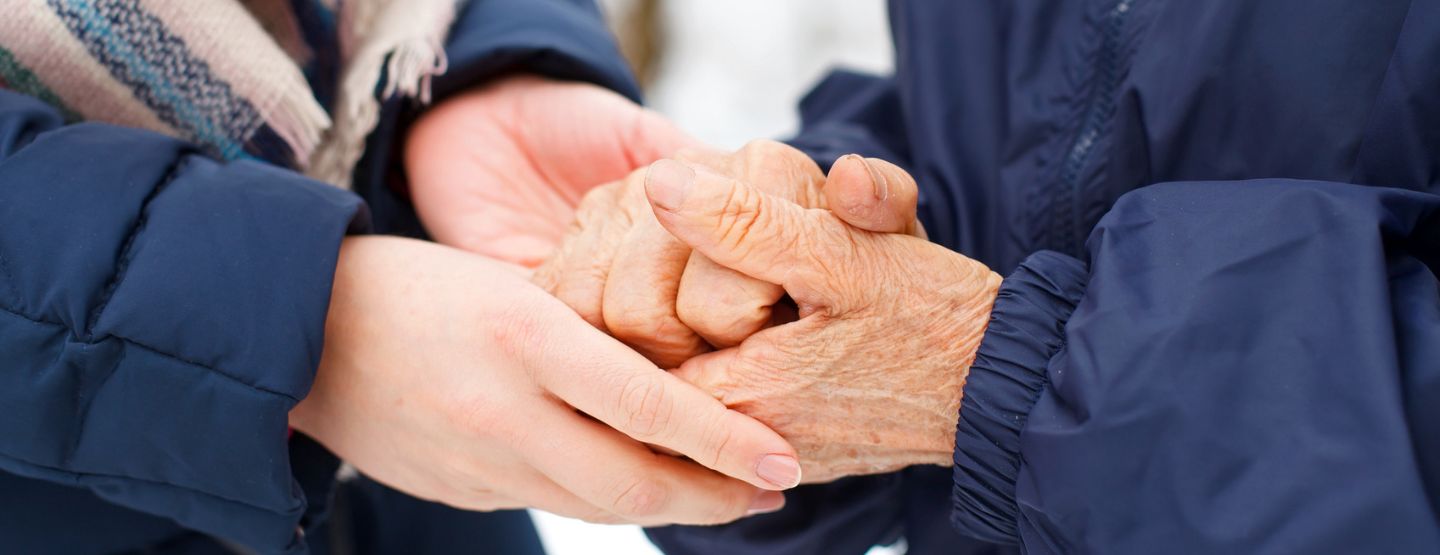
If you live with rheumatoid arthritis (RA), you may notice a change in pain during the winter months. Many experience worsening joint pain and aches caused by the colder weather. But is cold really to blame?
What is rheumatoid arthritis?
According to the Arthritis Foundation, RA is an inflammatory form of arthritis that causes joint pain, swelling and damage. It happens when the body’s immune system attacks the lining of the joints. Many people feel pain in their hands, knees or ankles.
Why does cold weather affect rheumatoid arthritis joint pain?
Scientists aren’t sure why cold weather affects RA joint pain, but many who have RA complain of more aches and pains in the winter months. “Many believe inflammatory arthritis may get worse during the winter,” said Khader Mustafa, MD, a rheumatologist with ProMedica Physicians Rheumatology. “While there may be an association between cold winter weather and pain, it is unlikely to be a direct cause.”
Dr. Mustafa says he believes the correlation between cold weather is actually related to the sensation of pain increasing due to cold weather. “As the barometric pressure drops with the temperature, pressure on the nerves is amplified, and blood flow may decrease in some patients, resulting in increased sensitivity. Many may actually just be experiencing an increased sensitivity to pre-existing pain.”
Reducing Rheumatoid Arthritis Pain in the Winter
To reduce RA pain during the winter season, it is important to stay warm, keep up to date on medical appointments and exercise regularly. When going outside, make sure you are dressed appropriately for the weather. Wear plenty of layers, gloves and a scarf in frigid cold. Wearing a warm pair of gloves can help prevent joint pain and in the hands and wrists. When at home, try cuddling up next to an electric heating pad or blanket to help warm and loosen stiff joints.
If you are struggling to get regular outdoor exercise, Dr. Mustafa recommends trying indoor exercise at a gym or at-home. Exercise is essential in keeping arthritis pain at bay. Lack of movement can lead to tightness in the joints, making them even more at risk for pain. Staying mobile also helps to keep good muscle strength adjacent to the joints, support good joint strength, improve blood circulation and better overall health.
Everyone manages pain differently. If you feel your RA pain is a constant struggle, it may be time to talk to your doctor about a change in treatment and how to better navigate the winter months.
Khader Mustafa, MD
Dr. Mustafa is a a rheumatologist with ProMedica Physicians Rheumatology. View his profile.
Subscribe to Our ProMedica Newsletter
Looking for inspiration on how to improve your health and well-being? Get trustworthy health news, wellness tips and inspirational patient stories delivered to your inbox twice a month with our free ProMedica newsletter.