Could aortic disease run in my family?
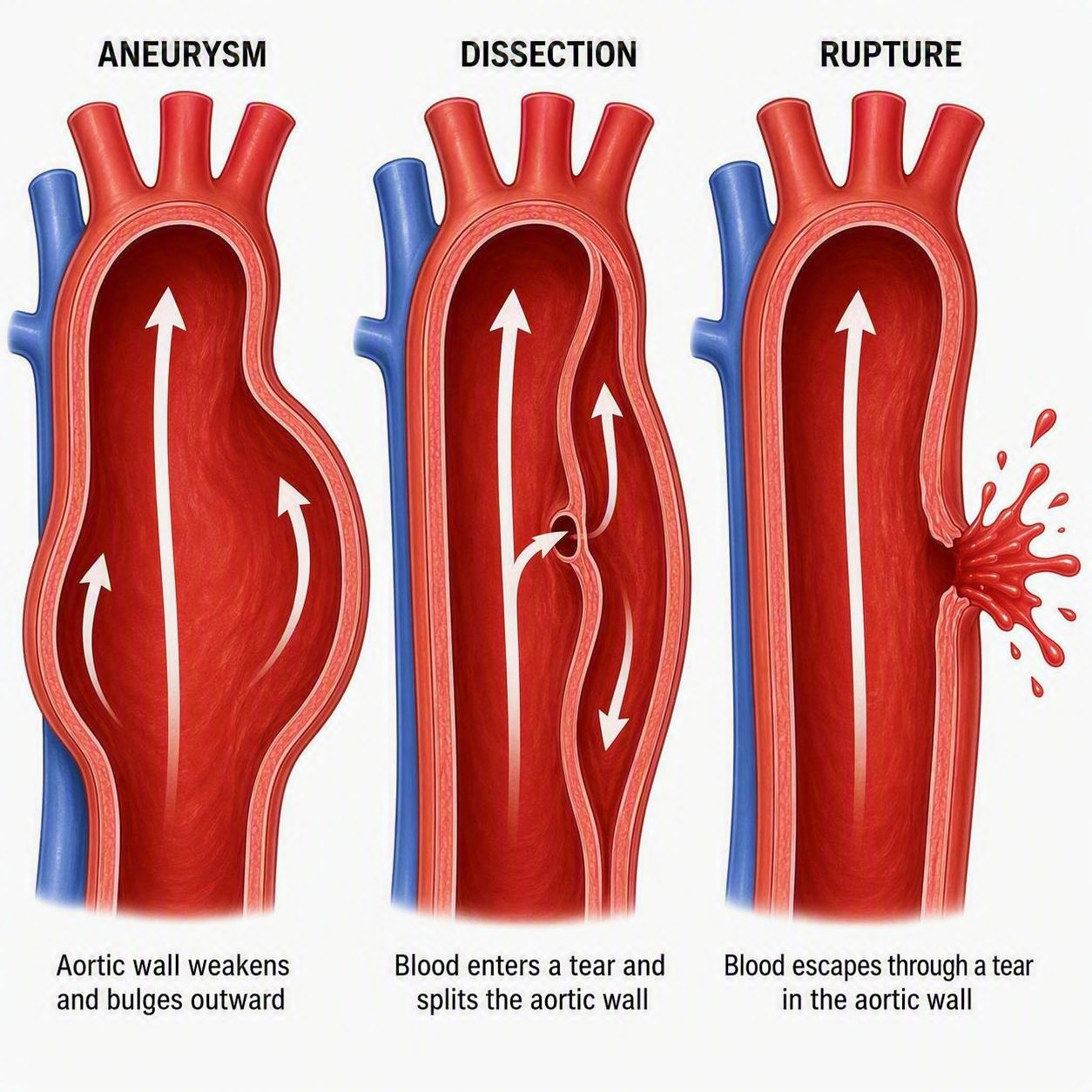
“Family history is very important. If someone has a first- or second-degree relative who had an aneurysm, dissection or rupture before the age of 60, we should consider that there could be a genetic cause,” says Heather.
It’s very similar to genetic testing for cancers, such as breast and ovarian cancers. However, the likelihood of a genetic cause is higher for aortic disease. While up to 10% of all cancers are genetic, up to 20% of aortic disease is genetic.
“If a parent has a heritable thoracic aortic disease, there is a 50% chance of passing it on to their child,” Heather explains.
With such a high risk, genetic causes of aortic disease are considered when:
- Someone 60 or younger has an aneurysm, dissection or rupture
- Person of any age with an aneurysm, dissection or rupture also has a family history of an aneurysm, dissection or rupture
- Person of any age with an aneurysm, dissection or rupture has physical features of Marfan syndrome, Loeys-Dietz or Vascular Ehlers-Danlos syndrome
Should I consider genetic counseling for aortic disease?
Genetic testing for heritable thoracic aortic disease evaluates specific genes for disease causing variants. This is done by obtaining a cheek swab or blood draw and sending it to a specific lab.
“With genetic testing, we look at 32 different genes that are known to essentially predispose to these conditions of aneurysm, dissection and rupture,” says Heather. “This will tell us definitively if there is a disease-causing variant on one of these genes.”
It’s also possible that other genes (outside of the 32 tested) could carry a disease-causing variant. If testing comes back negative, but family history suggests a strong genetic component, other options may be available.
“So even when a genetic test is negative, it’s hard to say with certainty that it is definitely not genetic, because there’s ongoing research being done to identify disease causing genes,” says Heather. “Research at the University of Texas at Houston, funded by the John Ritter Foundation, does whole genome sequencing for those who have had negative genetic test results, to find new disease-causing genes, specifically for aneurysms, dissection and rupture.”
Family history should also be considered if a first- or second-degree relative had a cardiac event that could have included a rupture.
“I’ve had multiple patients say that a family member’s heart exploded. That’s probably the term or description that they remembered, but it may have been a ruptured aorta, close to the heart,” says Heather.
If someone has positive genetic testing for heritable thoracic aortic disease, their first-degree relatives can be tested for the same disease-causing gene, at no cost, within a three- to six-month period. This is called cascade testing.
What happens if an aneurysm, dissection or rupture occurs?
Monitoring and treating aortic conditions is vital, especially for those with an increased risk due to genetics.
“If an aneurysm forms, your provider will want to do imaging on a regular basis to monitor the growth. They may recommend a surgical repair earlier than they would with the general population because of your risk,” says Heather.
If you have a dissection, your doctor may recommend a stent graft. This is a fabric-covered metal tube which is placed in the artery wall to seal the dissection tear and maintain proper blood flow.
An aortic rupture is a life-threatening condition that requires surgery. Urgent diagnosis and repair are needed to prevent death from blood loss.
What happens if I have a genetic aortic disease?
People with a heritable thoracic aortic disease are 250 times more likely to develop an aneurysm, dissection or rupture. Living with a genetic aortic disease means taking care of your health and reducing your risk factors.
Healthy Lifestyle
An overall healthy lifestyle can help reduce your risk for an aortic event. Blood pressure control, quitting smoking and a healthy diet can reduce risk. Mild to moderate exercise is encouraged, however heavy weightlifting and high intensity training can raise blood pressure too rapidly.
Medication
Unfortunately, there are no current treatments such as gene editing, to correct the gene mutations causing heritable thoracic aortic disease.
However, medications may be helpful to reduce risk. Angiotensin receptor blockers may slow the rate of aneurysm growth. Beta blockers can lower your blood pressure and widen your vessels to put less pressure on the arteries.
Imaging
Those with a genetic aortic disease also have a higher risk of having an aneurysm elsewhere in the body. A CT angiogram and MR angiogram are types of imaging that looks at the arteries in detail. This imaging can help your care team look for possible aneurysms.
“An aneurysm in the aorta is the most common. But if you’re diagnosed with a heritable thoracic aortic disease, your provider may order imaging from head to pelvis to screen for aneurysms elsewhere in the body,” says Heather.
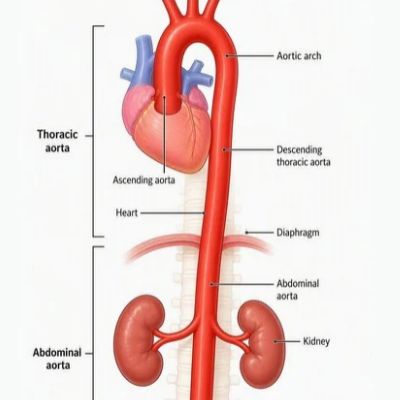
It’s important to know that there are different types of aortic aneurysms. You can have an aneurysm in your thoracic aorta (chest) or in your abdominal aorta (belly). Abdominal aortic aneurysms are much more likely to be caused by non-genetic factors, such as age, smoking, diet, kidney disease and high blood pressure.