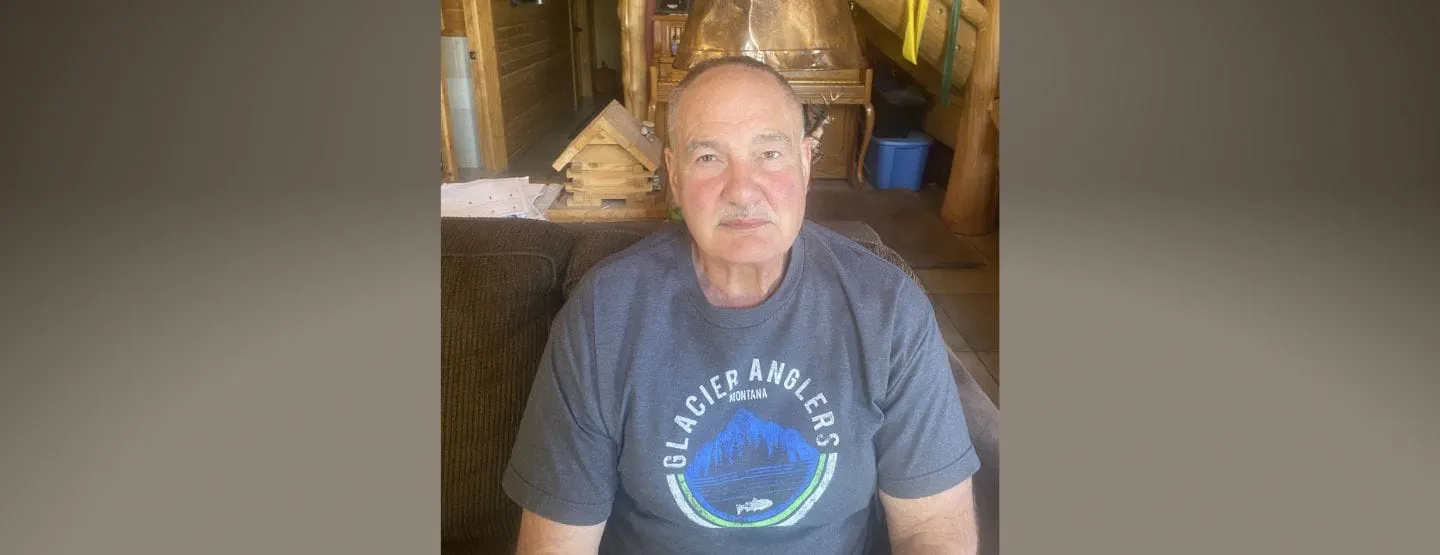
Before Enrico Galimberti ever considered shoulder replacement surgery, pain and stiffness had become part of his everyday life. Years of working in construction and pushing himself in the gym had taken a toll, but he kept telling himself it was something he could live with.
Over time, that pain began to control more and more of his life. Simple movements like lifting his arm overhead or reaching for everyday items caused sharp discomfort. Activities he once enjoyed became impossible without pain or major modification. Even basic self‑care tasks became frustrating.
Sleep was the breaking point. “I had to take Aleve every single night just to sleep,” Enrico says. “If I didn’t take it, I’d be up three or four times a night in pain.”
The constant lack of sleep left him drained. Poor rest made days harder, recovery from physical activity slower and pain even more noticeable. Despite years of trying to manage it on his own, Enrico realized his shoulder pain wasn’t improving — it was getting worse.
Like many people dealing with chronic shoulder pain, Enrico adjusted his routine instead of addressing the problem. He planned his days around what his shoulder could tolerate and gradually accepted limitations that once felt temporary.
Eventually, it became clear that pain wasn’t something he should keep pushing through.
“I knew I couldn’t keep living that way,” he says. That realization marked a shift — from managing pain to looking for a long‑term solution that would help him regain strength, improve sleep and get back to the active life he missed.
What is shoulder replacement surgery?
For many patients, shoulder replacement becomes an option when pain interferes with sleep, limits range of motion or makes everyday tasks difficult — experiences Enrico knows well.
“Once the pain starts waking you up and impacting everything you do, that’s when it really hits you,” he says.
Shoulder replacement is a surgical procedure designed to relieve pain and restore movement when the shoulder joint has become damaged over time. It is often recommended for people whose shoulder pain no longer improves with nonsurgical treatments and significantly affects daily life.
During shoulder replacement surgery, the damaged parts of the shoulder joint are removed and replaced with smooth, durable components that allow the joint to move more comfortably. The goal is to reduce pain, improve function and help patients return to activities that matter most to them.
Every shoulder replacement plan is personalized based on a patient’s goals, lifestyle and overall health. Consulting with an orthopaedic surgeon is an important part of determining whether surgery is the right next step and what type of approach makes the most sense.
For Enrico, meeting with Patrick Tate, MD, a ProMedica Physicians orthopaedic surgeon who specializes in shoulder replacements, helped him feel confident in that decision.
Understanding the procedure, the recovery process and the expected outcomes helped replace uncertainty with clarity. Instead of fearing the unknown, Enrico felt informed and prepared — which made moving forward far less intimidating.
A Closer Look at Shoulder Replacement Recovery
Enrico’s recovery after shoulder replacement surgery surprised him in the best possible way. From the very beginning, his experience felt very different from the pain he had lived with for years before surgery.
In the first few days after surgery, nerve blockers played a key role in keeping pain under control. “I was amazed,” Enrico says. “I hardly felt any pain when I woke up.”
Because his pain was well managed right away, Enrico was able to focus on resting and healing instead of struggling through discomfort. In fact, he felt good enough that he and his family stopped to eat on the way home from the hospital. “That alone says a lot,” he says.
As the days went on, Enrico noticed that the pain following surgery was far less intense than the pain he had dealt with daily before surgery. Within just a few days, he was able to stop taking prescription pain medication altogether.
Getting Back to Life After Shoulder Replacement
In the weeks after surgery, Enrico gradually began regaining movement and strength. Simple tasks that once caused sharp pain, such as lifting his arm overhead or washing his face, became easier as healing progressed.
“I can lift my arm above my head again,” he says. “I can wash my face and shave — things I couldn’t do without extreme pain before surgery.”
By about one month after surgery, Enrico felt a major turning point. “About a month after surgery, I felt like I could pretty much do anything,” he says.
Ironically, the biggest challenge during recovery hasn’t been pain — it has been resisting the urge to do too much too soon.
“The hardest part is stopping myself from doing things I’m not supposed to do yet because my shoulder feels so great,” Enrico says with a laugh.
Through physical therapy, rest and following his recovery plan closely, Enrico understands that giving his shoulder time to heal is essential to protecting his long‑term results. Today, he feels encouraged not just by how good his shoulder feels, but by how confident he is about returning to the active life he enjoys.
The Role of Physical Therapy in Joint Replacement Recovery
Physical therapy has been an important part of Enrico’s recovery, helping him safely rebuild strength and protect the progress he’s made. While his shoulder felt strong early on, Enrico understood that following his recovery plan was key to long‑term success.
Through guided exercises and ongoing support, Enrico’s physical therapist helped him improve range of motion, regain strength and relearn movements that had been painful or limited before surgery. Just as important, it helped him understand what activities to avoid early on — even when he felt capable of doing more.
For Enrico, physical therapy wasn’t about rushing recovery. It was about healing the right way so he could return to work, weightlifting and daily activities with confidence and less risk of future injury.
Looking Ahead Without Fear
Enrico also knows his journey isn’t over. His other shoulder is already showing signs of wear, and another shoulder replacement will likely be needed in the future.
But unlike before, he isn’t worried. “I’m not afraid of getting the other shoulder done at all,” he says. “And I won’t wait until I’m in that much pain again.”
Looking back, Enrico hopes others living with shoulder pain won’t wait as long as he did. He shares that Dr. Tate’s surgical expertise has gotten him back to being able to do simple activities pain-free and doing what he loves sooner than he could have ever imagined.
Enrico is grateful to be sleeping better, moving better and living without constant shoulder pain — and he encourages others to talk to a specialist if pain is limiting their life.
Patrick Tate, MD
Dr. Tate is an orthopaedic surgeon who specializes in shoulder replacements with ProMedica Physicians. View his profile.
Subscribe to Our ProMedica Newsletter
Looking for inspiration on how to improve your health and well-being? Get trustworthy health news, wellness tips and inspirational patient stories delivered to your inbox twice a month with our free ProMedica newsletter.