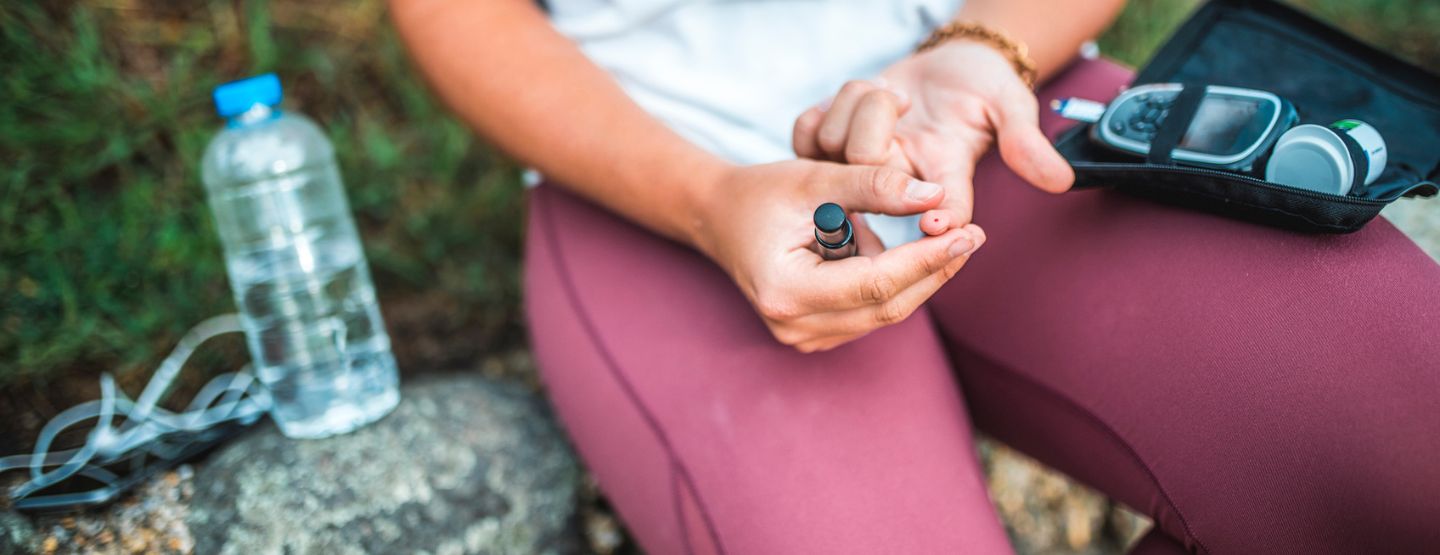
Many may find themselves spending the summertime enjoying warmer temperatures and more time outdoors. While heat-related illness can happen to anyone, those with diabetes should be especially careful as the heat affects them differently. It can even cause adverse effects for those who do not properly manage their diabetes or are yet to be diagnosed.
Hydration Helps Manage Blood Sugar
According to the Centers for Disease Control and Prevention (CDC), 37.3 million people have diabetes (11.3% of the U.S. population) and 96 million people aged 18 and older have prediabetes (38% of the adult U.S. population). These individuals may be more sensitive to the heat because the heat can affect blood sugar levels.
How the heat affects blood sugar levels depends on what you’ve eaten, how hydrated you are, your activity level and how well controlled your blood sugars are. Becoming dehydrated will cause blood sugar levels to rise. If a person’s diabetes treatment includes insulin and they are dehydrated, the body’s ability to absorb insulin is reduced.
Drinking water – even when you are not thirsty – will help the body stay hydrated. Any time the body is perspiring, hydration is being lost. Drinks containing alcohol or caffeine can also lead to faster dehydration, spiking blood sugar levels.
Sun Exposure Affects Blood Sugar, Too
Another heat-related trigger that impacts blood sugar is your time in the sun.
“It’s also important to avoid sunburn, as sunburn can raise blood sugar levels,” adds Deborah Karl, MS, RD, LD, CDCES, registered dietitian and certified diabetes care and education specialist with ProMedica.
The pain from a sunburn causes stress, which can lead to an increase in blood sugar levels, according to the CDC. Regularly wearing sunscreen and protective headwear like sun hats can help minimize the likeliness a sunburn will occur.
Properly Storing Your Medications
Special considerations should be made for diabetes medications and supplies to keep them safe from the sun and heat.
“It is important to keep insulin and testing supplies out of the heat,” says Lauren Phillips, CNP, with ProMedica Physicians Adult Endocrinology. “Extreme heat can cause insulin and glucose testing strips to lose effectiveness.”
When traveling in a hot car, spending time by the pool or at the beach, it is important to store medications and supplies in a cooler. Be sure not place insulin or testing supplies directly on ice or gel packs as they can get too cold. Wrapping the items in a towel or placing them inside of a sock will help ensure that temperatures stay within a safe range.
If you live or are traveling somewhere with severe summer weather like tornados, thunderstorms or hurricanes, be sure to have a plan in place to keep medication cold that needs refrigerated in case a storm knocks out the power. Having an emergency kit ready to go with supplies in the case of extreme weather can help to ensure that there will not be a medical emergency if forced to leave the home.
Other Tips To Beat the Heat
Those with diabetes should also consider the following tips:
- Pack snacks for between meals to prevent low blood sugar.
- Spend time in the air conditioning during the hottest parts of the day.
- Talk with your doctor about how to adjust insulin before exercising.
- Test your blood sugar frequently if a great deal of time is spent outdoors in the heat.
Most importantly, don’t hesitate to get help if you think you may need it. Always seek medical attention if you suspect heat-related illness.
Lauren Phillips, CNP
Lauren is a certified nurse practitioner with ProMedica Physicians Adult Endocrinology. View her profile.
Subscribe to Our ProMedica Newsletter
Looking for inspiration on how to improve your health and well-being? Get trustworthy health news, wellness tips and inspirational patient stories delivered to your inbox twice a month with our free ProMedica newsletter.