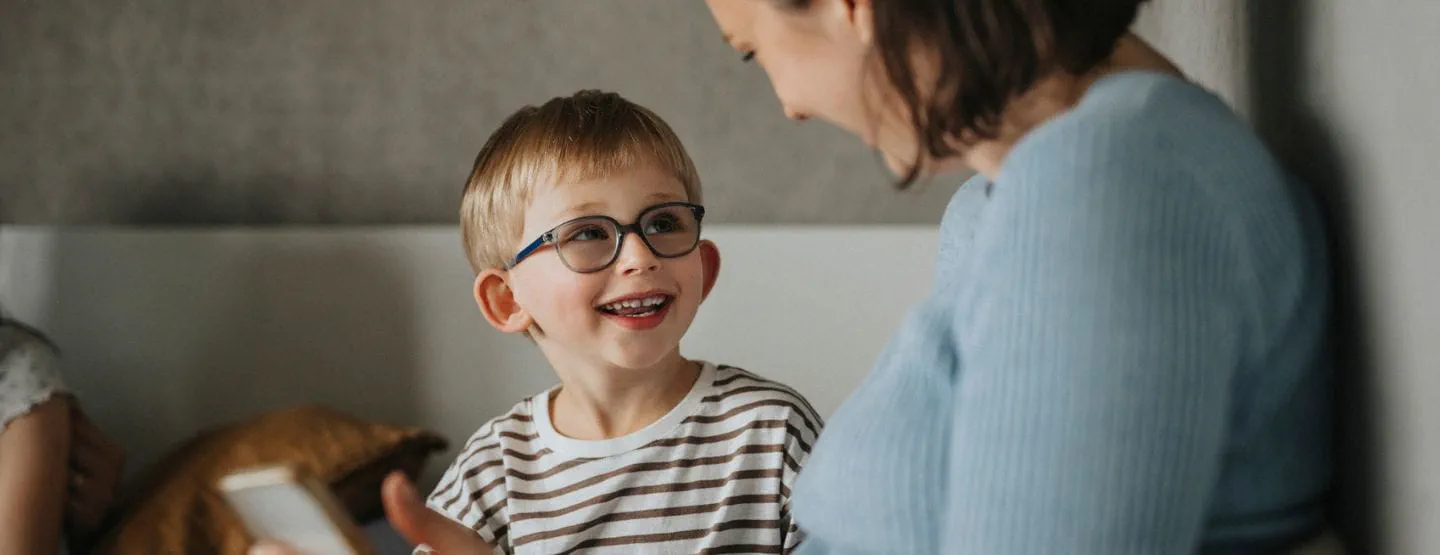
More children are being diagnosed with myopia — also known as nearsightedness — than ever before. While glasses can help kids see clearly, eye doctors are paying closer attention to why myopia is becoming so common and how it can affect a child’s eye health over time.
Understanding what causes myopia, how to recognize it early, and what treatment options are available can help parents take a proactive role in protecting their child’s vision.
What is myopia?
“Myopia is nearsightedness. It’s a common condition where distant objects look blurry, while close‑up objects are clear,” explains Michele Schlagheck, OD, an optometrist with ProMedica Physicians Vision Associates.
Myopia develops when a child’s eye grows longer than it should. When that happens, light focuses in front of the retina instead of directly on it, making it harder to see objects that are far away.
Once considered a minor vision issue, myopia is now recognized as a growing global concern. Rates of myopia have more than doubled in recent decades, and research suggests that 40 to 50 percent of the world’s population could be nearsighted by 2050, making early detection and treatment increasingly important.
Why is myopia increasing in children?
According to Dr. Schlagheck, the rise in childhood myopia is closely tied to lifestyle and environmental changes — not just genetics.
One major factor is increased screen time and near work. Children spend more time completing schoolwork on computers and using tablets and smartphones than ever. Studies show that sustained close‑up work can contribute to myopia progression.
Another key contributor is less time spent outdoors. Exposure to natural light appears to support healthy eye development. One clinical trial found that adding just 40 minutes of outdoor time each day reduced new cases of myopia in school‑aged children.
Education and urban living may also play a role. Higher academic demands, more indoor learning, and urban lifestyles have all been linked to higher rates of myopia. While genetics still play a role, the rapid global increase points strongly to environmental influences.
Dr. Schlagheck also notes that myopia appeared to rise during the COVID‑19 pandemic, when many children spent extended periods indoors with heavy screen use during important years of eye development.
Signs and Symptoms of Myopia in Kids
Children often don’t realize their vision is blurry, so myopia may show up through behavior changes rather than complaints. Parents should watch for signs such as squinting to see faraway objects, sitting very close to the TV or screens, holding books or devices close to the face, frequent headaches, eye strain, trouble seeing the board at school, or frequent blinking and eye rubbing.
What Parents Can Do To Reduce the Risk of Myopia
While myopia can’t always be prevented, parents can take steps to lower the risk and slow progression.
Dr. Schlagheck encourages families to prioritize outdoor time, aiming for two or more hours per day when possible. Outdoor light plays an important role in eye health.
Taking regular breaks from close‑up work is also essential. The 20‑20‑20 rule is a simple guideline: Every 20 minutes, have your child look at something 20 feet away for 20 seconds.
Limiting prolonged screen use, keeping screens and books at a healthy distance, and avoiding long periods of uninterrupted near work can also help. Most importantly, regular, comprehensive eye exams allow myopia to be identified early, when treatment options are most effective.
When should children see an eye doctor?
Routine eye exams are recommended even when children have no obvious vision problems. A child’s first eye exam should take place between six and 12 months of age, followed by another exam between ages three and five. An eye exam before starting school is important, and after that, most children should see an eye doctor every one to two years. Some children may need more frequent visits depending on their vision, symptoms or risk factors.
Myopia Treatment Options for Children
For years, myopia care focused mainly on correcting blurry vision with glasses or contact lenses. While these options improve vision, they do not slow myopia progression.
Today, there are evidence‑based myopia control treatments designed to slow eye growth in children when started early. These may include low‑dose atropine eye drops, specialized myopia control glasses, such as Stellest lenses, multifocal contact lenses and orthokeratology, which uses specially designed overnight contact lenses.
“Age really matters,” Dr. Schlagheck says. “Ages seven to 10 is the critical window where the fastest progression occurs.” Children who develop myopia earlier are at higher risk for more severe myopia later in life, which is why early evaluation is so important.
These treatments are most effective during childhood and adolescence. Once someone reaches their late teens or early adulthood, options to slow progression become much less effective.
Why Early Myopia Treatment Matters
When myopia is not managed, it can affect more than just how clearly a child sees. In the short term, children may struggle academically, avoid activities, or experience headaches and eye strain. Over time, higher levels of myopia increase the risk of serious eye conditions, including retinal detachment, myopic macular degeneration and glaucoma.
Dr. Schlagheck emphasizes that while modern lifestyles contribute to rising myopia rates, parents can still make a meaningful difference. Outdoor time remains one of the most protective factors, and early detection allows families to take advantage of proven treatment options. With regular eye care and early intervention, parents can help protect their child’s vision well into adulthood.
Michele Schlagheck, OD
Dr. Schlagheck is an optometrist with ProMedica Physicians Vision Associates. View her profile.
Subscribe to Our ProMedica Newsletter
Looking for inspiration on how to improve your health and well-being? Get trustworthy health news, wellness tips and inspirational patient stories delivered to your inbox twice a month with our free ProMedica newsletter.