
In December 2024, structural heart cardiologists at ProMedica Toledo Hospital performed one of the first FDA-approved transcatheter tricuspid valve replacements in the country. The hospital was one of less than 60 locations across the nation to perform the procedure.
It’s life-changing news for those with tricuspid valve regurgitation (leakage), because the condition has been mostly left untreated.
“This valve is often called a ‘forgotten valve’ because it is the valve that is the least operated on in terms of open heart surgery,” explains Kasi Ramanathan, MD, FACC, a cardiologist with ProMedica Physicians. “It’s remarkable to be able to treat this when previously there were no options.”
As an interventional cardiologist, Dr. Ramanathan focuses on minimally invasive procedures to treat structural heart disease. These conditions, such as heart valve disease, involve damage or flaws in the anatomy of the heart.
Better Blood Flow after Tricuspid Valve Replacement
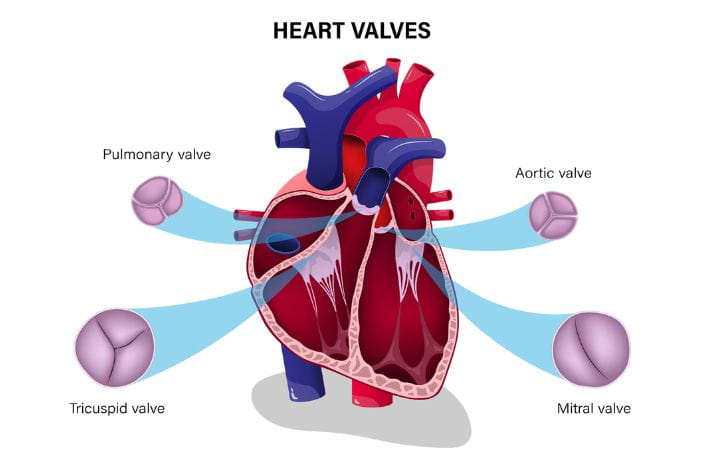
The tricuspid valve is on the right side of the heart, in between the upper and lower chamber. It helps bring blood in need of oxygen into the heart. With a leaky tricuspid valve, the blood leaks backward. This means the heart must work harder to pump blood.
The new transcatheter tricuspid valve replacement is a minimally invasive procedure that doesn’t require open heart surgery. It fixes the leaky valve with the use of a catheter, which is inserted through a vein in the groin. The structural cardiologist then places the artificial valve between the two right heart chambers. Replacing the valve usually eliminates the regurgitation and its symptoms.
“There have been many studies that show that this transcatheter procedure improves the patient’s heart failure symptoms,” explains Dr. Ramanathan. “This is really important because these people struggle with having extra fluid in their body, being short of breath and not being able to walk very far.”
The catheter-based procedure uses very small incisions and has a short recovery time. Studies have shown that the new procedure also reduces hospital readmission rates. That means better heart health and improved overall health for those with this type of heart valve disease.
This new procedure may be a good option for those who have severe tricuspid regurgitation and have symptoms despite good medical therapy. For those who aren’t a good candidate for transcatheter tricuspid valve replacement, open heart surgery is still an excellent option when needed. There is also a clip available for the tricuspid valve to reduce the amount of blood that leaks. The clip, which is about the size of a dime, staples the valve together to reduce its leakiness.
Leading Edge of Minimally Invasive Valve Repair
The opportunity for minimally invasive tricuspid valve repair is generating a lot of excitement in the field of structural heart. Dr. Ramanathan compares it to the debut of other transcatheter valve replacements.
“It reminds me a lot of when we first started doing the minimally invasive aortic valve procedures 13 years ago. Back then, there was nothing to offer these patients with a narrowed aortic valve,” says Dr. Ramanathan. “Toledo Hospital was one of the very first sites to offer the transcatheter aortic valve replacement in 2012.”
In 2013, Toledo Hospital structural heart team was also among the first in the nation to close the left atrial appendage in the heart to prevent blood clots. In 2014, they were one of the first in the nation to perform minimally invasive mitral valve therapy.
“We’ve always been on the cutting edge of structural heart therapies,” explains Dr. Ramanathan. “We have great patient outcomes and expertise in the structural heart field. That opens the door for innovative procedures to help patients in our region sooner.”
More Advancements To Come
Dr. Ramanathan is part of a team of structural heart physicians who work with physician assistants, nurses and other heart care specialists to offer emerging treatments to patients. They offer procedures at the Structural Heart Clinic inside Toledo Hospital. The multidisciplinary team sees patients with various forms of structural heart disease.
“What’s neat about the field of structural heart is that it didn’t even exist when I started training more than 20 years ago,” Dr. Ramanathan shares. “This is a new field, and it’s exciting to learn things as they happen because it gives you more options to treat patients who previously didn’t have any options available.”
In the next few years, Dr. Ramanathan expects to see more tricuspid valve replacement options. He also thinks we’re just a few years away from minimally invasive mitral valve replacement therapy. Aortic valve therapies will continue to progress, for both stenosis (narrowed valve) and regurgitation (leakage).
“It’s very gratifying to work with these innovative technologies and make an impact on the lives of other humans,” shares Dr. Ramanathan. “Particularly for those patients who don’t have other options, these minimally invasive procedures are life changing.”
Subscribe to Our ProMedica Newsletter
Looking for inspiration on how to improve your health and well-being? Get trustworthy health news, wellness tips and inspirational patient stories delivered to your inbox twice a month with our free ProMedica newsletter.