
Summer is the perfect time to enjoy the great outdoors. But summer outside may lead to allergic skin reactions, from bugs, plants and the sun. Discover ways to prevent bites and burns before they happen, and how to treat them if they do happen, so that your time outside doesn’t get cut short.
Bee, Wasp and Hornet Stings
Most bees, wasps and hornets are very beneficial to our environment. Whether they play the role of a pollinator, or they prey on “bad” insects that destroy crops, our earth wouldn’t be the same without them. However, that doesn’t make their stings hurt any less!
To lower your likelihood of getting stung, wear clean, light-colored clothing that covers as much of your body as possible, avoid perfumed toiletries and remain calm if a stinging insect comes near you – swatting at it will only make it angry, and may cause it to sting.
Treating Stings
When most people get stung, they may experience pain at the sting site, redness and swelling. If a stinger is left in your skin, scrape it out with a fingernail or credit card. Wash the area with soap and water and apply a cold compress to reduce swelling.
However, when your body’s response to a sting creates more than a local reaction, and affects your ability to breathe and function, you need emergency treatment. You may be experiencing anaphylaxis (a severe, potentially life-threatening allergic reaction). Anytime you experience respiratory or cardiovascular distress, you should go to the ER.
If you know that you experience severe reactions or swelling because of a sting, you should discuss management options with your primary care provider.
“Your primary care provider may have recommendations on how to best manage your reactions,” shares Brenda Hartley, MD, pediatrician with ProMedica Physicians.
Venom immunotherapy is one option that can be a life-saving treatment to prevent or mitigate risk of future reactions. Venom immunotherapy involves injecting small amounts of the venom allergen, and gradually increasing the does over time to decrease sensitivity.
Mosquito Bites
Mosquitoes are small, flying insects that live just about everywhere in the world. Aside from being pesky and their bite causing an itchy bump, they can also carry diseases. According to the Centers for Disease Control and Prevention (CDC), the most common mosquito-borne disease in the continental United States is West Nile virus (WNV).
Symptoms of WNV may include fever, body aches, vomiting, diarrhea, inflammation of the brain and meningitis. Thankfully, 80% of people infected with the virus do not develop any symptoms.
To prevent mosquito bites and the diseases that come with them, wear long sleeves, pants and closed-toe shoes and insect repellant containing 20% to 30% DEET.
“Picaridin is an alternative to DEET, as is lemon eucalyptus oil,” Dr. Hartley shares. “Lemon eucalyptus oil should not be used for children under three years old. When using DEET on children under one, choose the lowest available concentration (10%) and only apply to their clothing. No matter your age, always wash DEET off when you come indoors for the day or at bedtime.”
In addition to wearing mosquito repellant, empty any standing water and try purchasing mosquito-repellent plants or lighting a citronella candle near where you spend most of your time outside in the summer.
Treating Mosquito Bites
While mosquito bites can be annoying, very rarely do they cause severe allergic reactions like bee stings. Mosquito saliva, which is made of as many as 30 different proteins, is what makes us allergic to mosquito bites — and reactions vary widely from person to person.
Fortunately, you can use over-the-counter remedies to treat mosquito bites. And these same remedies can be used for mild bee stings:
- Acetaminophen or ibuprofen.
- Antihistamine.
- Anti-itch and cortisone cream (1% to 2% is sold over the counter).
- Calamine lotion.
- Ice for swelling.
Ticks
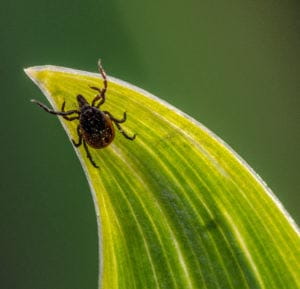
Ticks, tiny arachnids that relate more to spiders than to mosquitos, are known for spreading diseases, which is what makes them such a concern. Rocky Mountain spotted fever and Lyme Disease are just two of the serious diseases these blood-sucking species carry. Although only a small percent of ticks carry disease, it is still wise to use caution when outside to keep you, your family and even your pets safe.
Ticks hang out with their first pair of legs outstretched, often on tall blades of grass. When a host brushes by them, the tick climbs aboard.
Therefore, the best method of tick prevention is to stay on trails and away from areas with tall grass. Wearing a tick repellent lotion or bug spray may also deter them. You may not feel the tick bite you, so always check yourself for ticks after a day outside, especially if you spent time off-trail or in tall grass.
Treating Tick Bites
Ticks stay attached to their host for three to 10 days. It’s important to spot and remove them within 24 hours to decrease your chances of the tick passing on a disease.
To remove a tick, use tweezers to grab the tick as close to the skin as possible. Pull straight upward with steady, even pressure.
Do NOT try to burn the tick off or use any other method to try to get it to detach itself. These methods increase the risk that the tick will pass along any disease it may be carrying. Dispose of the tick by putting it in a sealed container, flushing it down the toilet or putting it in alcohol. Do NOT crush the tick with your fingers as this can increase your risk of illness.
Monitor the area that you were bitten for a rash over the next several weeks. If a rash that looks like a “bull’s-eye” appears, or you experience fever, headache, fatigue or joint pain, it’s important to seek prompt medical attention. These symptoms may be signs of Lyme disease.
Plants and Rashes
Poison ivy, poison oak and poison sumac can cause itchy rashes because of an oil they contain called urushiol. Properly identifying these plants and avoidance is one of the best ways to avoid a potential reaction.
Poison ivy or poison oak have red stems and leaves in groups of three arising from a single stem. Poison sumac may have five to seven or more leaves. All species may have black dots on it from the urushiol oil that has been oxidized after exposure to oxygen.
If you come in contact with any of these plants, be sure to wash yourself and your clothes right away. Getting the urushiol off your skin is key to stopping the spread and calming the rash.

Treating Rashes from Poisonous Plants
Try applying an anti-itch or hydrocortisone cream, taking an oatmeal bath or using calamine lotion. You may need to see a health care provider to get a more potent topical steroid or an oral steroid if the rash persists.
It’s a common misconception that scratching the rash and then touching another part of your body can spread it. But that’s not the case. Only the oil itself, not your blister fluid, can spread the rash. Touching your face, arms, legs or feet, however, before you realize the oil is on you, is the problem.
Rashes and the Sun
Wild parsnip is another kind of plant that can cause a different type of reaction. If your skin comes in contact with wild parsnip, it may become more sensitive to the sun’s UV rays. This may result in severe burns and blisters on the affected area of the skin.
Learn to recognize wild parsnip and avoid it when in nature. The plant measures two to five feet tall, has yellow flowers when in bloom and its stem is hairless and grooved. Wear long sleeves and pants to decrease the surface area of skin that the oil comes in contact with. If you touch either plant, wash the affected area with soap and cold water as soon as possible and stay out of the sun.

Separate from an actual sunburn, there are several types of rashes that may occur with sun exposure, often described as a “sun allergy.” This may occur even if you’re only in the sun for a short period of time (30 minutes to a few hours). You may have an increased risk of developing this type of a reaction if you are taking certain medications, such as antibiotics, which make you photosensitive.
Treating Rashes from the Sun
These rashes, which are red and very itchy, typically occur on any sun-exposed areas of your body. The good news is that these rashes typically resolve with just supportive care at home. The key is avoidance and appropriate use of sun protection as primary means of prevention and ultimately staying out of the sun so your skin can heal.
Make the most of your summer by preventing bites, stings, burns and itchiness before they happen by staying on the trails, protecting your skin and seeking medical attention when it’s needed.
Subscribe to Our ProMedica Newsletter
Looking for inspiration on how to improve your health and well-being? Get trustworthy health news, wellness tips and inspirational patient stories delivered to your inbox twice a month with our free ProMedica newsletter.