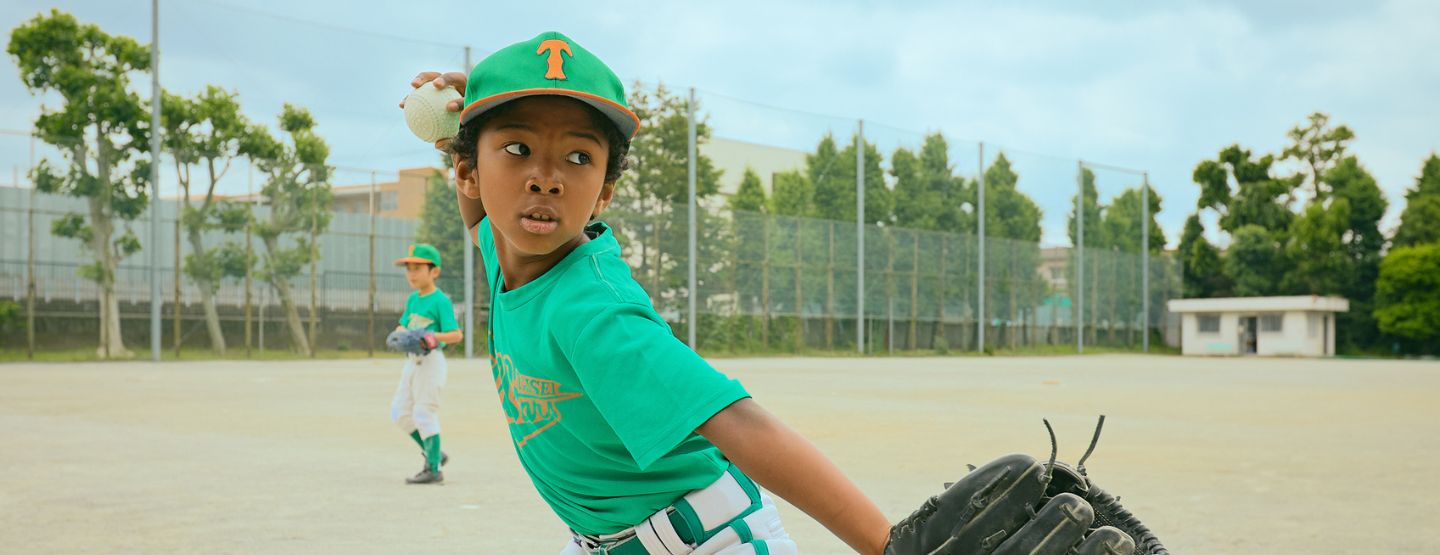
As spring sports return, elbow injuries often follow — especially for athletes who throw, swing or grip repeatedly. Sports like baseball, tennis, golf and other racket sports all place repetitive stress on the elbow, making it one of the most vulnerable joints during the spring season.
Orthopaedic surgeon with ProMedica Physicians, Justin Lea, MD, says this spike in elbow pain is common each spring as athletes jump back into activity after a slower winter.
“During those activities, the elbow really sees a lot of stress and force,” Dr. Lea explains. “With throwing, there’s a lot of stress that is placed along the inside part of the elbow, then the outside part of the elbow sees load or compression, and then there’s a rotational element as well.”
When that stress increases suddenly, the risk of injury rises quickly — especially in young athletes.
“In young athletes where they have things like growth plates in their elbow, these stresses can start to cause problems,” Dr. Lea says.
Many elbow injuries seen during spring sports are preventable when athletes properly prepare for returning to play, understand the warning signs of elbow injury and take early action.
Why the Elbow Is More Vulnerable During Spring Sports
Spring sports often involve repetitive motions that place force through the elbow thousands of times over the course of a season. According to Dr. Lea, throwing sports are particularly demanding because stress is applied from multiple directions at once.
“The sudden increase in repetitive movement combined with poor mechanics are the causes behind most elbow injuries we see in the spring,” Dr. Lea shares.
This type of stress pattern is a major reason conditions like Little League elbow are so common in young throwers during the spring season.
Common Mistakes That Lead to Elbow Pain
One of the most common contributors to elbow injuries is a lack of offseason preparation. When athletes do not maintain strength in surrounding areas — such as the shoulder, forearm, core and lower body — the elbow is forced to absorb more stress than it should.
Dr. Lea explains that many athletes go from very little winter activity to full participation almost overnight.
“All of a sudden their sport will start, and so it’s just this huge ramp up in volume,” he says.
Recovery also plays a critical role. “Sometimes people are hitting it really hard and just not having enough recovery,” Dr. Lea adds.
The Most Common Elbow Injuries in Spring Sports
During spring sports, elbow injuries can show up in different ways depending on an athlete’s age, sport and level of physical activity. Some conditions develop slowly from overuse, while others may come on more suddenly after a change in training or competition volume. Understanding the most common elbow injuries seen during the spring season can help athletes, parents and coaches recognize symptoms early and know when evaluation is needed.
Little League Elbow
Little League elbow is one of the most common springtime injuries Dr. Lea treats, particularly in young throwers between the ages of nine and 15. This condition is caused by irritation of the growth plate on the inside of the elbow and usually presents as pain during the throwing motion.
Treatment typically involves stopping throwing for a period, followed by a structured rehabilitation and gradual return‑to‑throwing program.
Ulnar Collateral Ligament Injuries
Ulnar collateral ligament (UCL) injuries affect the inside of the elbow and are most common in baseball pitchers and other frequent throwers. These injuries often develop gradually and may present as pain, loss of throwing speed or decreased control.
Lower‑grade injuries are usually treated with rest and physical therapy, while full tears may require surgical reconstruction.
Tennis Elbow and Golfer’s Elbow
Pain on the outside of the elbow is often diagnosed as tennis elbow, while pain on the inside may be golfer’s elbow. These overuse injuries are commonly seen in racket sports but also affect non‑racket athletes.
Most patients improve with rest, therapy and gradual strengthening.
Osteochondritis Dissecans
Osteochondritis dissecans (OCD) is a growth‑related injury seen most often in adolescents. It affects a bone on the outside of the elbow and can cause pain, stiffness and mechanical symptoms such as locking or catching.
Early evaluation is important to prevent long‑term damage.
When Elbow Pain Needs Immediate Evaluation
While many elbow injuries improve with rest and therapy, certain signs and symptoms should never be ignored. Early evaluation is especially important for young athletes with symptoms that may point to Little League elbow.
Popping sensations, catching or locking, feelings of instability or sudden loss of motion require prompt evaluation.
“Any elbow pain with throwing is abnormal and needs to be evaluated,” Dr. Lea says.
Preventing Elbow Injuries This Spring
Gradual progression is key at the start of the season. “Don’t go from zero to 100 right from the get‑go,” Dr. Lea advises.
Keep your elbows healthy with strength training, proper technique and mechanics, appropriate equipment and adequate rest.
Most importantly, athletes should not ignore pain. “It’s not something to play through,” Dr. Lea emphasizes.
Address symptoms early to prevent minor issues from turning into more serious elbow injuries. Evaluation from a health care professional can help protect long-term joint health and help athletes return to spring sports safely and confidently.
Justin Lea, MD
Dr. Lea is an orthopaedic surgeon with ProMedica Physicians. View his profile.
Subscribe to Our ProMedica Newsletter
Looking for inspiration on how to improve your health and well-being? Get trustworthy health news, wellness tips and inspirational patient stories delivered to your inbox twice a month with our free ProMedica newsletter.