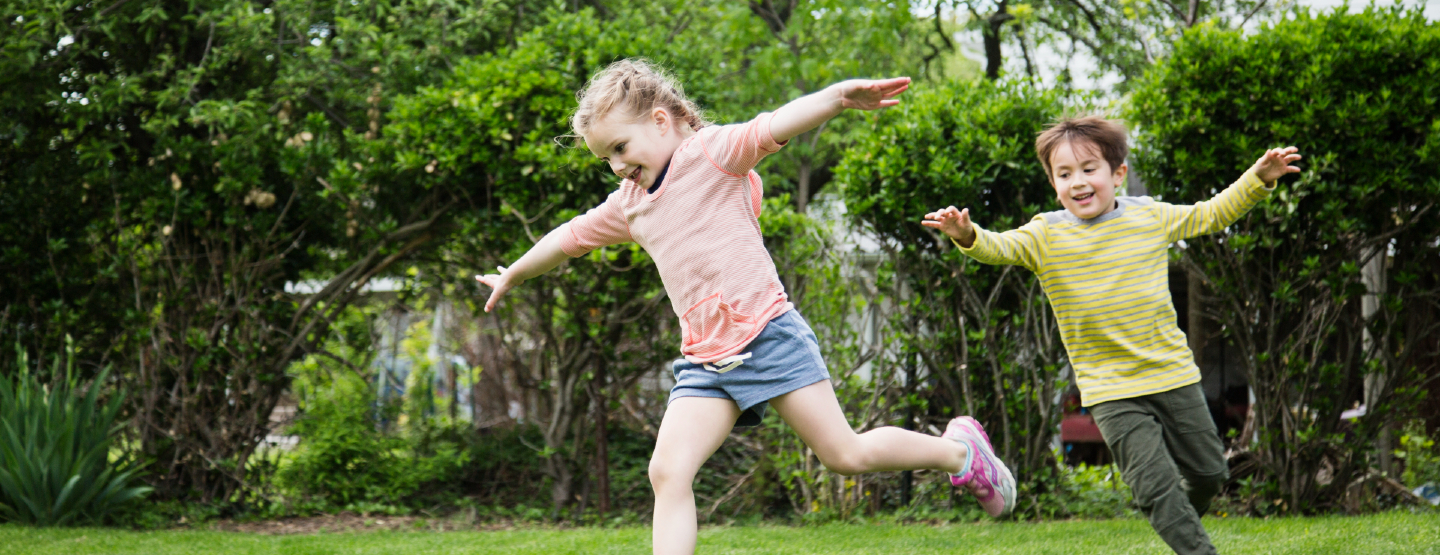
As imaginative, outdoor play declines, we are seeing the effects of children living a more sedentary, dependent lifestyle. Brooke Treloar, MD, a pediatrician with ProMedica Physicians Toledo Pediatrics, says unstructured, outdoor play can promote childhood health and well-being. It can also help kids build confidence and a sense of independence.
No matter the time of year, encouraging this type of play can support a child's development, mental health and even help them getting much-needed Vitamin D from the outdoors. Here's how to make the most of playtime.
Play Without an Agenda
Unstructured play is child-led, imaginative play that doesn’t generally have a defined purpose or outcome. While this may seem strange to adults with jam-packed schedules, unstructured play serves an important role in children’s physical, cognitive, social and emotional growth.
Unstructured play could look like giving a child a large cardboard box and letting them decide what to do with it. The possibilities are endless with just a little bit of imagination – they may sit inside it and pretend to be a baby in a basket, go underneath it and pretend to be a turtle, or make it into a playhouse or a car.
Dr. Treloar explains, “The purpose of unstructured play is to give kids the opportunity to play on their own and see what their imagination comes up with, instead of us giving them an assignment.” Play that’s not guided by adults gives kids the chance to be creative and build problem-solving skills, confidence and independence.
Allowing time for unstructured play will also make the necessary structured time a lot easier. “Unstructured play can get the energy and wiggles out,” says Dr. Treloar. “When we allow kids to have time and space to themselves, they can run around and share their ideas with themselves or their peers so that when they come back to structured time they are refreshed and ready to listen.”
Playing Where There’s Room To Move
Outside, or another space where there is room to move, is a great place to encourage children to participate in unstructured play. “Some of the best ways for kids to achieve the recommended 60 minutes per day of physical activity is through unstructured activity,” shares Dr. Treloar. “Whether it’s running up and down the driveway, going on a nature walk or jumping rope. Those 60 minutes don’t have to come from something structured like soccer practice.”
Generally, kids who regularly spend time outside have more active imaginations, lower stress levels, and improved agility, balance and motor skills. Additionally, the simple act of being in nature can have a calming effect on people of all ages. If you can’t seem to grab the kids’ attention, go outside with the intent to experience the outdoors with no agenda. Kids can’t bounce off the walls if there are none!
Getting Started
If the child is having a hard time getting started without any direction, the best thing that you can do is join in on the fun. Jump into the world of imagination and demonstrate how a simple outdoor object like a stick can become a wand or a kitchen bowl can become a drum. Once they start to get the hang of it, step back and let them lead. You never know where their imagination might take them.
Brooke Treloar, MD
Dr. Treloar is a pediatrician with ProMedica Physicians Toledo Pediatrics. View her profile.
Subscribe to Our ProMedica Newsletter
Looking for inspiration on how to improve your health and well-being? Get trustworthy health news, wellness tips and inspirational patient stories delivered to your inbox twice a month with our free ProMedica newsletter.