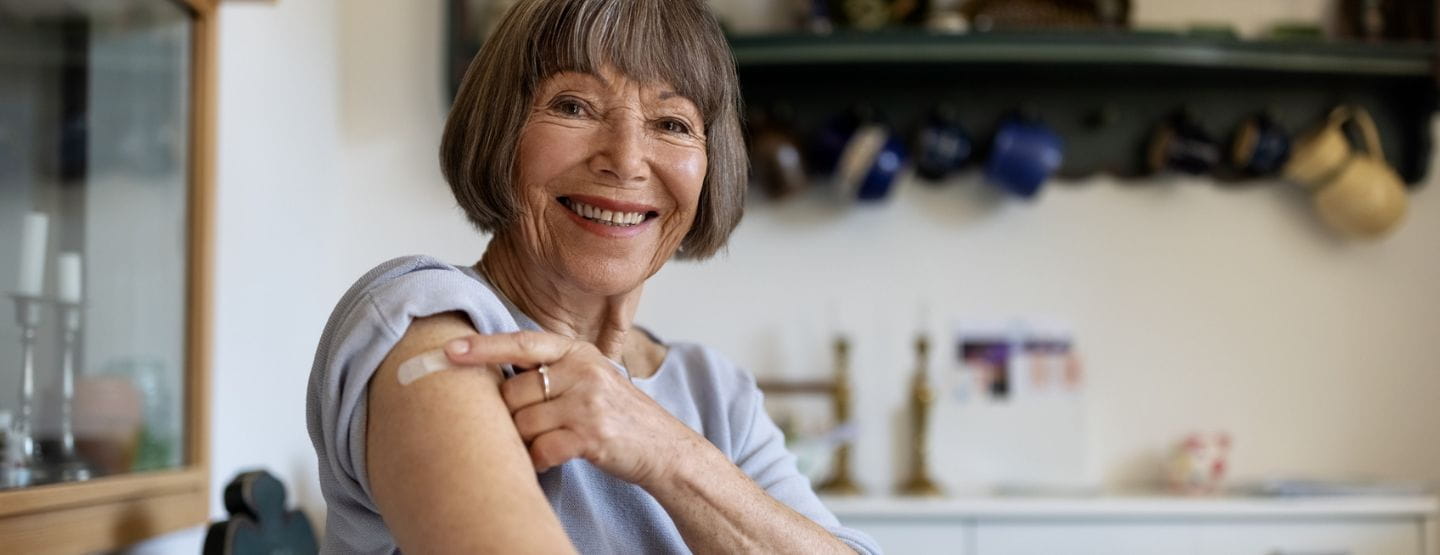
You might remember standing in line for the polio vaccine in school, or getting booster shots at the doctor’s office as a kid, but have you been immunized lately? As we go through life, we build up natural immunity to many diseases, but we never outgrow our need to keep immunizations up to date.
Immunizations not only protect us from getting diseases, but they also help to prevent the spread of disease. The types of shots you need depend on your age, lifestyle and overall health. You should also take into account any childhood diseases you had, the ages of the people you are around frequently, and any travel plans to go out of the country.
Your doctor will provide recommendations for which shots you need and the schedule for your immunizations, but make sure that you inform them if you are planning to travel out of the country or if you have been in contact with someone with a communicable disease, such as meningitis. Common adult immunizations include those described below.
Seasonal Flu
It’s recommended that you receive the influenza (flu) vaccine every year. Influenza can be a serious, even life-threatening disease. Every adult should get a flu shot, but it’s especially important for those who:
- Have a chronic disease, such as heart disease or diabetes.
- Work or volunteer in a health care office or facility.
- Have a weak immune system.
- Live with or are around others who are at risk of flu-related complications.
Flu shots are generally given in the fall to coincide with the influenza season and are made with a dead form of the virus, so catching the flu from your flu shot is not a concern.
Tetanus, Diphtheria and Pertussis (Whooping Cough)
Everyone should get a Tetanus and Diphtheria (Td) vaccine every 10 years. The Pertussis vaccine is generally added (Tdap) if you’re under 65 or if you have close contact with a baby younger than one-year-old.
Pneumonia
The Pneumococcal Polysaccharide (PPSV or Pneumovax 23) vaccine should be given to everyone over age 65. It protects you from the most serious complications of pneumonia, such as an infection in the blood or throughout the organs of the body. You should also get this vaccine if you are under 65 and have a chronic illness, weak immune system, had your spleen removed, live in a long-term care community or are a smoker.
Shingles
The Zostavax vaccine protects against developing shingles, a painful viral condition. Anyone over 50, or younger individuals with a weakened immune system, can receive the vaccine, even if you’ve had shingles before. This does not replace the chickenpox vaccine, which only vaccinates against chickenpox.
Novel Coronavirus (COVID-19)
Consider receiving the COVID-19 vaccine and boosters as they become available. Although we are still in the early stages of COVID-19 vaccination, the vaccine has shown quite a bit of promise for most age groups. Talk to your health care provider to help guide your decision on if and when to receive the COVID-19 vaccine.
Additional Immunizations to Consider
Other immunizations you may consider are important if you plan foreign travel, if you have not had one or more childhood illness, such as chickenpox or measles, or if your work or volunteer time puts you at risk of exposure to communicable diseases. These include:
- Hepatitis A.
- Hepatitis B.
- Chickenpox.
- Measles, Mumps and Rubella.
- Meningitis.
Your doctor is always the best source of advice on the types of immunizations you need and when you need them. A blood test can determine the amount of immunity you have to certain diseases, so you won’t receive unnecessary injections.
Getting a shot is usually much less expensive and painful than suffering through a disease, so staying up on your immunizations is well worth the effort.
Subscribe to Our ProMedica Newsletter
Looking for inspiration on how to improve your health and well-being? Get trustworthy health news, wellness tips and inspirational patient stories delivered to your inbox twice a month with our free ProMedica newsletter.