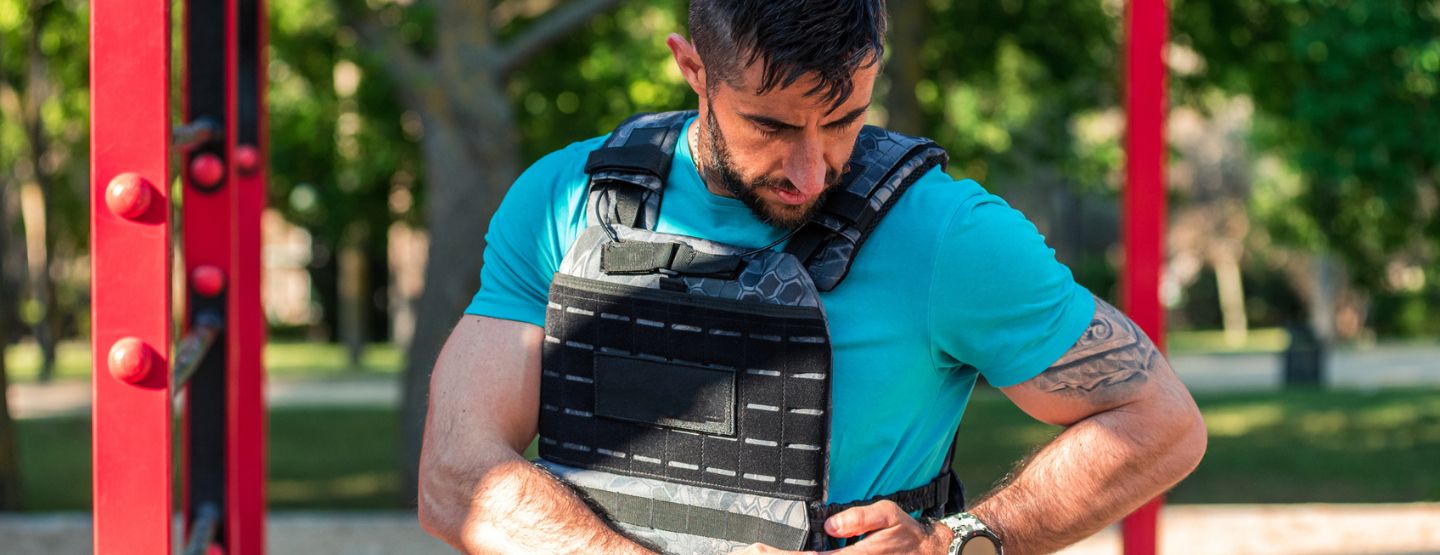
From walking, to running to lifting, weighted vests can be a valuable addition to your workout routine. These vests offer more than just weight training. They can improve your heart and muscle health, no matter your fitness level.
Discover the benefits of weighted vests and considerations to take before putting on the vest.
When should you wear a weighted vest?
Weighted vests are most used while walking or hiking. They can also be used while running or stair climbing, or for bodyweight exercises, such as pushups, pull ups, squats or lunges.
“The best way to start using a weighted vest is while walking,” shares Nicole Mason, BS, CHES, PAPHS, a fitness manager with ProMedica ForeverFit. Walking with a weighted vest can help you adjust to extra weight. It also reduces stress on your joints before they are ready for a heavier load.
Experienced athletes can also use weighted vest for plyometrics, or explosive jumping exercises such as squat jumps, box jumps and tuck jumps. Wearing the extra weight for training can help athletes perform better when the vest is off for the real event.
The Benefits of Wearing a Weighted Vest
Carrying extra weight helps build muscle, but it also has more benefits than you might think.
The extra weight increases your heart rate, which has a positive impact on your heart health. “Think about when you walk up a flight of stairs carrying something heavy – your heart usually beats a little faster than it would without the added weight. A weighted vest works in the same way,” Nicole shares.
Weighted vests can also build bone density and bone mass. This supports healthy aging and decreases your risk for bone loss and conditions such as osteoporosis. “When you lift more weight, your muscles compress against your bone and your bone feels that added pressure. The bone then becomes stronger to be able to withstand and bear that added weight. This causes your bones to become denser and break or fracture less easily,” Nicole shares.
You may also see improvements in your balance and posture as you get used to moving with the extra weight. Being comfortable with a weighted vest can decrease your risk of falls and improve overall movement fluidity.
Wearing a weighted vest also increases the number of calories you burn, ultimately aiding in weight loss. A weighted vest can increase your calorie expenditure by 5-10%, or even more when doing more intense workouts like running. “When you add weight, you’re increasing the energy cost of the movement,” Nicole explains. “A weighted vest allows you to burn more calories doing the same workout for the same amount of time.”
What Type of Weighted Vest To Wear for Workouts
No matter what type of activities you plan to do, your weighted vest should fit snugly and have even weight distribution.
Adjustable straps allow for a custom fit. “The vest should fit snugly on your torso. You should be able to breathe easily, but the vest shouldn’t move around at all while you’re wearing it,” Nicole explains. “If the vest can move, it can affect your balance and cause uncomfortable chaffing.”
Start with a vest that is about 5% of your body weight. For example, if you weigh 160 pounds, you should start with a vest that weighs about eight pounds. The amount of weight on the vest can slowly be increased over time but should never exceed 15% of your body weight.
Look for a vest that allows for weight to be easily added and taken off. When you add or remove weight, make sure it is balanced. The weight on the vest should be even from front to back and from left to right. So, if you take weight off the back of the vest, it’s important to also take the same amount of weight off the front.
How To Start Wearing a Weighted Vest
Always consult with a physician before beginning a new exercise program. This is especially important if you’re new to exercise, have preexisting health conditions or joint pain. Your doctor can provide health clearance and recommendations on how best to start a new routine.
To begin, aim to wear the vest for about 10 to 20 minutes of your workout, two to three times a week. As you get stronger and feel more comfortable with the weighted vest, you can slowly wear it longer. Aim for about an hour. Always listen to your body, and take the vest off if you are getting too fatigued.
A physical trainer can give advice on where to begin. They can also help you find ways to keep challenging yourself to get stronger.
If you’re new to exercise, Nicole recommends holding off on the weighted vest for now. It’s best to take the time to get used to movement without any added weight. “If later down the road you decide you want the extra challenge, you can add a weighted vest to your workout routine then,” Nicole shares.
Once you’ve mastered regular movement, a weighted vest can be a great addition to your daily routine. Invest in a weighted vest to boost your heart health and muscle strength while doing your regular activities.
Nicole Mason, BS, CHES, PAPHS
Nicole is a fitness manager with ProMedica ForeverFit. ForeverFit is a medically integrated fitness center that works to safely and effectively help members live an active lifestyle regardless of their current health status.
Subscribe to Our ProMedica Newsletter
Looking for inspiration on how to improve your health and well-being? Get trustworthy health news, wellness tips and inspirational patient stories delivered to your inbox twice a month with our free ProMedica newsletter.