We're Here To Protect Your Heart
As your largest vessel, your aorta performs the vital job of delivering oxygenated blood from your heart to the rest of your body. But over time, it can balloon, separate or tear. These problems put you at risk for an aortic rupture that needs medical attention right away.
At ProMedica, our cardiothoracic specialists stand ready to care for you day-to-day and in emergencies. They can diagnose and monitor your aortic heart disease and can recommend when you may need aortic surgery.
Overview
There are two conditions that lead to most aortic procedures: aortic dissections and thoracic aortic aneurysms.Aortic dissection surgery is considered an emergency medical procedure. This method allows your surgeon to repair a tear in the wall of your aorta, which is your body's main artery.
Thoracic aortic aneurysm surgery repairs, removes or stents an aortic aneurysm. But not all aortic aneurysms need surgery. It depends on the aneurysm's size, location and growth rate.
Common types of aortic aneurysms include:
- Aortic root.
- Diagnosis of and treatment for sexually transmitted diseases.
- Ascending aortic arch.
- Transverse aortic arch.
- Descending aortic arch.
Marfan Syndrome
This is an inherited disorder that impacts the connective tissue, which supports and anchors your organs and other parts of your body. Marfan syndrome can lead to aortic valve problems. If you have a family history of Marfan syndrome, ask your doctor to recommend the best way to monitor your aortic health.
Prepare for Optimal Aortic Surgery Results
Before aortic surgery, you'll consult with your cardiothoracic surgeon. At this visit you'll be examined, find out what pre-admission tests you need to take, and have a chance to ask questions.
Your pre-admission tests will most likely include blood work, a chest X-ray, an EKG and an exam of the arteries in your neck. You may also need pre-surgery dental work.
Remember, the success of your surgical experience is based on more than just the procedure itself. Being ready to manage your health during recovery is key. Come to your consultation ready to ask questions like:
- How quickly will I recover?
- What are the pros and cons of aortic surgery?
- What kind of lifestyle changes will I have to make after surgery?
- Will I need care or rehab after my surgery?
Before your procedure, you may be asked to start a new medicine or stop taking some current ones.
Post-Surgical Care That Puts You on the Path to Recovery
Aortic surgery is an in-depth procedure. Knowing what to expect while you're with us, as well as when you're recovering at home, will help you feel comfortable during the process.
Be prepared for at least a three- to four-day hospital stay. You should also be aware that:
- You'll be connected to several tubes and monitoring equipment during and after your surgery.
- Your family will receive updates from your care team during your surgery, and as you move into recovery.
- You'll be moved to the Intensive Care Unit (ICU) for recovery.
- You'll eat your meals sitting up in a chair. You'll start with a clear, liquid diet and then move on to solid food as you're able to tolerate it.
- You may be moved to the step-down floor on your first postoperative day.
- You'll be encouraged to take short walks in your hallway and begin cardiac rehab therapy exercises.
Featured Locations
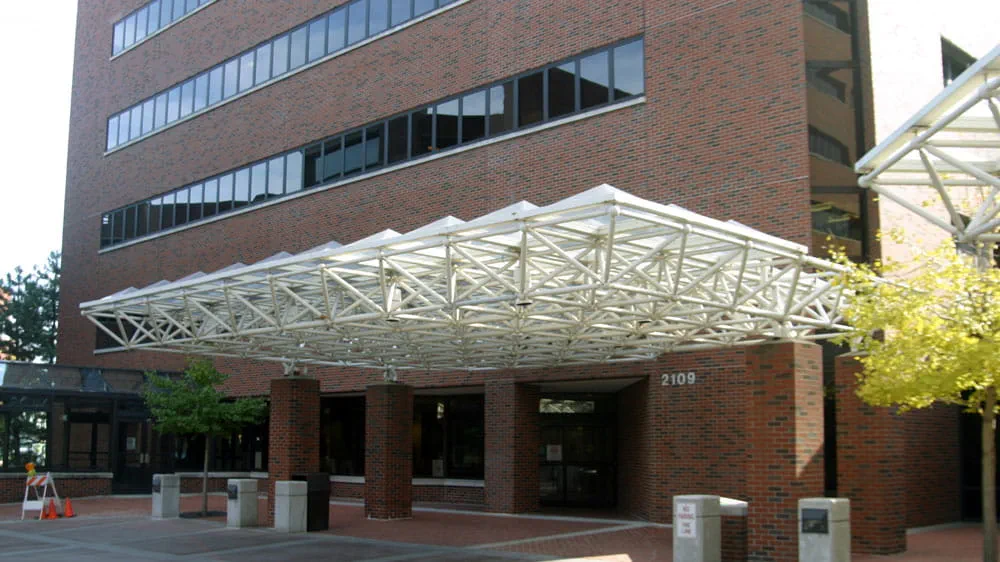
ProMedica Physicians Cardiothoracic Surgeons
Discover expert cardiothoracic care in northwest Ohio. Our board-certified surgeons offer advanced heart and lung treatments, from open-heart to minimally invasive procedures.

Toledo Hospital Surgery Center
Discover what ProMedica Toledo Hospital Surgery Center has to offer.
Related Services & Conditions
Heart Surgery
From minimally invasive to traditional open procedures, we offer a full range of surgical services for your heart condition.