A Program Built for Lifelong Success
Bariatric surgery is a lifelong journey, and that’s how our program is built. We’re fully accredited as a comprehensive bariatric facility and have high standards of clinical excellence. Our expert team guides you through every step of the process, from preparing for your surgery to post-surgery support.
See what makes our program the right fit for you.
Will I maintain weight loss after surgery?
We’re here to help you embrace a healthier lifestyle to maintain weight loss for years to come. In addition to weight management, many of our patients are able to eliminate or better control other health conditions, such as diabetes and high blood pressure.
See the Results of Bariatric Surgery
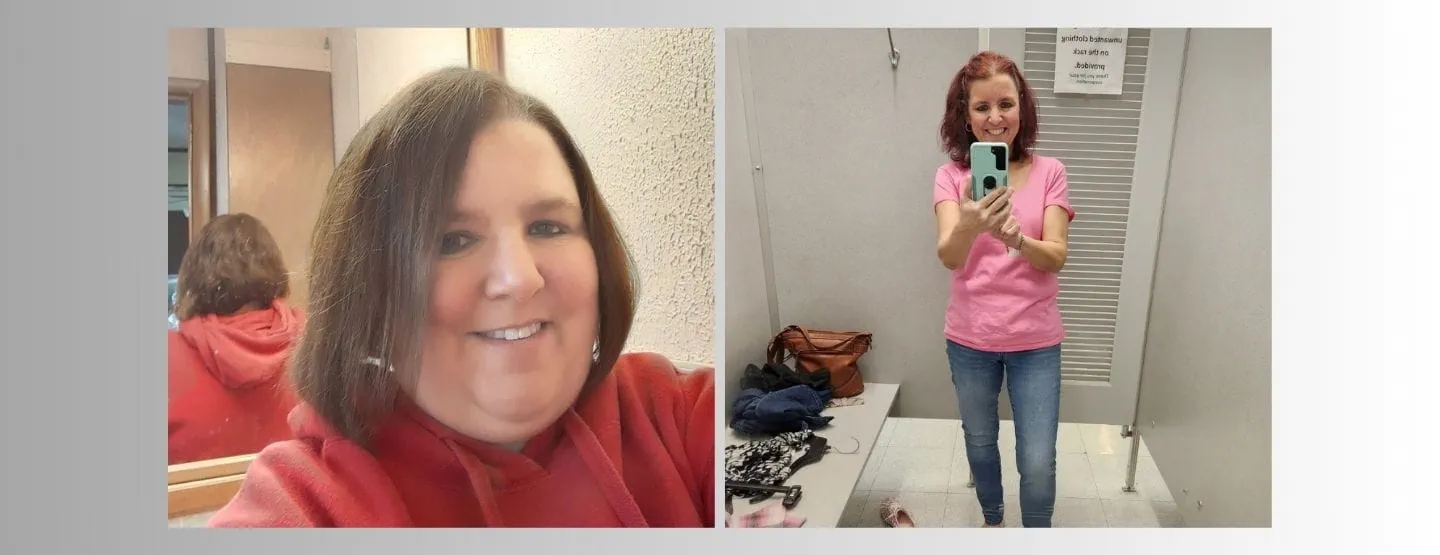
Michelle Lost Over 100 lbs
For many years, Michelle couldn't walk up a flight of stairs. She didn't like her reflection in the mirror. In 2022, Michelle had Gastric Bypass Surgery and went from 253 lbs to 123 lbs. Post-surgery, her sleep apnea has been improved and now she can't stop smiling.
Reduced or Eliminated
Sleep Apnea
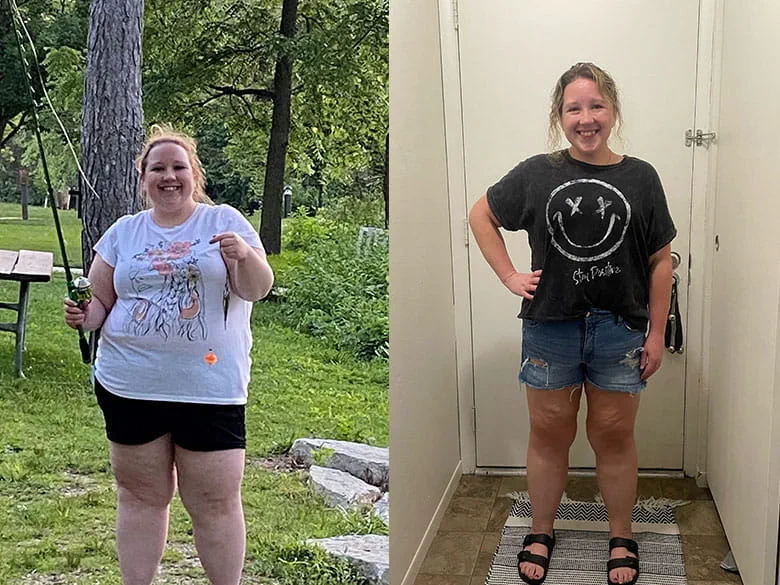
Christie Lost Over 100 lbs
Christie suffered from asthma and high blood pressure. In 2022, Christie had Gastric Bypass Surgery and went from 310 lbs to 190 lbs. All of her health issues have been reduced or eliminated.
Reduced or Eliminated
Asthma Symptoms, Use of Asthma Medication, High Blood Pressure
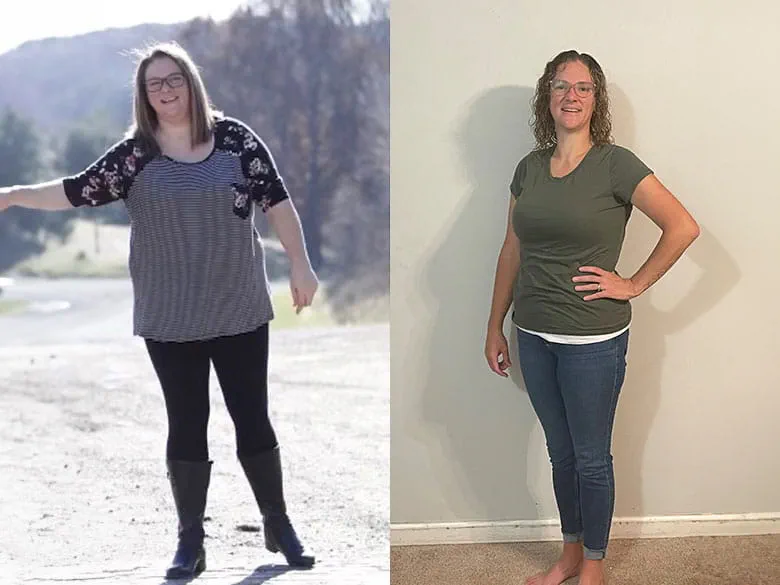
Tiffany Lost 105 lbs
In 2021, Tiffany had Sleeve Gastrectomy, lost 105 lbs and has kept it off. She no longer needs the blood pressure medications she was on prior to surgery.
Reduced or Eliminated
High Blood Pressure
Start your weight loss journey with our online seminar!
Which bariatric surgery is best for me?
There are different options for weight loss surgery, and each option has its own advantages and risks. You can learn more about your options below as well as in our free online seminar. Together, we’ll help you find the right one for your health goals and lifestyle.
Minimally Invasive Options
You can choose minimally invasive options instead of traditional weight loss surgery. We perform these innovative surgeries robotically and laparoscopically. This means we use smaller incisions (cuts) so there's less risk of damage to the soft tissues around your stomach.
Benefits of minimally invasive weight loss surgery include:
- Faster healing.
- Less pain.
- Lower risk of infection.
- Minimal scarring.
Sleeve Gastrectomy
This popular procedure is sometimes called “the sleeve.” Because it’s a shorter procedure, it can be a good option for those who have medical risk conditions.
During a sleeve gastrectomy, about 80% of the stomach is removed to create a new, smaller stomach that holds considerably less food and liquid. This reduces the amount of food and calories that are consumed. The procedure also decreases the hunger hormone. By decreasing hunger and increasing fullness, it helps the body maintain a healthy weight, as well as good blood sugar control.
For patients with severe obesity, a gastric sleeve procedure can sometimes be used first as a bridge to another procedure, called the duodenal switch.
Roux-en-Y Gastric Bypass
This long-standing procedure has been performed for more than 50 years. It’s still one of the most common operations performed for weight loss, and it’s extremely effective at treating obesity and its related diseases. This procedure may be called “the bypass.”
There are two parts to the bypass. First, the stomach is divided into a smaller pouch that is about the size of an egg. Then, a section of the intestine is brought up to connect to the new pouch. Next, there’s another connection made downstream, where all the digestive enzymes mix with the food.
The bypass procedure changes the route that food takes once you eat it. By doing this, it also changes how the nutrients are used once food is taken in. The smaller stomach, increased feelings of fullness, and new route for food have a profound effect on maintaining healthy weight loss and addressing diabetes, due to the metabolic changes.
Single Anastomosis Duodenal Switch
Also called the “duodenal switch,” this procedure was endorsed by the American Society for Metabolic and Bariatric Surgery in 2019. It is a modified version of the older duodenal switch, meant to minimize some of the side effects.
During the procedure, a sleeve gastrectomy is performed to create a small stomach. Then, the intestine is brought up and a connection is made between the duodenum and the small intestine. When food is eaten, it moves from the new small stomach directly into the lower portion of the small intestine. With a smaller stomach and shorter length of intestine for absorption, less food is eaten and fewer calories are absorbed.
A duodenal switch combines the advantages of the sleeve gastrectomy with the metabolic advantages of rerouting nutrients through the intestine. Because of these metabolic changes, it is often successful at putting type 2 diabetes into remission. A duodenal switch can also be performed on patients who previously had a sleeve gastrectomy and need further weight loss.
Revision Surgery
Bariatric Revision Surgery is a procedure that corrects or improves prior weight loss surgery. Most of the time, bariatric surgery is successful. However, it may be recommended for you if you've experienced:
- Inadequate weight loss.
- Weight re-gain.
- Ruptured or displaced gastric bands.
- Displaced gastric band ports.
- Disrupted staples.
- Enlarged gastric pouch.
- Gastroesophageal Reflux Disease (GERD).
- Problems swallowing.
Insurers all have different requirements, but they generally cover revisions to the sleeve or bypass to address weight regain, if you meet these criteria: If your BMI is greater than 40, or if you have a BMI of 35 along with a medical problem related to obesity.
At ProMedica Weight Loss Surgery, we use the latest minimally invasive technology, including robotic assisted surgery, to perform bariatric revision surgery. We offer several revision procedures, including Roux-en-Y gastric bypass revision and gastric sleeve resection.
Roux-en-Y Gastric Bypass Revision
The original gastric pouch created during surgery may become larger over time. This procedure involves:
- Increasing intestinal bypass.
- Decreasing pouch and stomach size.
Gastric Sleeve Resection
We can correct gastric sleeve surgery by:
- Converting the gastric sleeve to a gastric bypass.
- Recreating the gastric sleeve.
- Changing the gastric sleeve to duodenal switch.
Benefits of Bariatric Surgery
Weight loss is just one of the many benefits of bariatric surgery. Many of our patients celebrate nonscale victories – playing with their children or grandchildren, enjoying hugs that wrap fully around their body, building endurance to run a 5k. There are so many benefits waiting for you!
Prevent or Reverse Type 2 Diabetes
One of the biggest benefits of bariatric surgery is the prevention or reversal of type 2 diabetes. About 84% of patients report remission of their diabetes after surgery. Others typically need less medicine to control their condition.
The limited intake of calories from bariatric surgery helps balance the insulin-regulating hormones in the intestines and stomach that cause diabetes. For some people, diabetes goes away within days of surgery. For others, blood sugar levels begin to fall soon after surgery and become completely normal within a year.
Other Benefits to Health and Well-Being
Reduced Risk
Reduces your risk for high cholesterol, heart disease, stroke, breast and colon cancer, and peripheral nerve damage.
Better Sleep, Better Mood
May resolve sleep apnea, respiratory issues and high blood pressure. It can help improve your mood and self-esteem, too.
Less Pain
May improve osteoarthritis pain, and relieves acid reflux and gastroesophageal reflux disease (GERD).
Fertility and Pregnancy
May increase the odds of becoming pregnant and produce better pregnancy outcomes for the mom and baby.
What can I expect with bariatric surgery?
At ProMedica, we support your desire for a full, healthy life by equipping you with the knowledge and tools for long-term success. From seminars that explain your surgery options to support groups following your surgery, we're here to help you every step of the way.
Risks of Weight Loss Surgery
All surgeries come with risks. If you’re thinking about having weight loss surgery, be sure to talk with your doctor about these risks:
- Blood clots.
- Gallstones or gallbladder disease.
- Hernias.
- Infection.
- Intestinal disorders.
- Vitamin deficiencies.
What To Expect Before Surgery
The first step in our program is to see if weight loss surgery is the right choice for you. We want all of our patients to achieve lifelong health, which is why we'll only recommend surgery if we believe you're a good candidate.
We look at a variety of factors, including your:
- Age. You must be between the ages of 18 and 67.
- Lifestyle and health: You must stop smoking at least three months before your weight loss surgery and agree not to smoke after surgery. You should also commit to exercising and eating a healthy diet after surgery. These are essential to help keep the weight off for good.
- Personality: You must be motivated to make a real change in your health. The ideal candidate for weight loss surgery is willing to face the physical, emotional and social changes that come with weight loss.
- Weight: You must have a body mass index (BMI) of 40 or more (about 100 pounds or more over ideal body weight). Or have a BMI of 35 to 39.9 with serious medical conditions related to obesity that would improve with weight loss.
What To Expect After Surgery
Part of the bariatric surgery journey is your commitment to healthier lifestyle changes. These include your diet and eating habits. This will be one of the biggest changes you'll need to make after surgery.
Our bariatric dietitians will help you understand the dietary and nutritional changes to expect in the days and weeks after your weight loss surgery. We'll support you through every step and guide you through meal options, food choices and more.
Right after surgery, your digestive system will need to rest and heal for a couple of days. You'll begin a liquid diet of light broths and beverages while you're still in the hospital.
After a few days of the liquid diet, you'll move to pureed foods like lean meats, beans, yogurt and egg whites. You'll eat pureed foods for a few weeks when you go home.
Once your body is comfortable with pureed foods, you'll begin eating soft, solid foods like ground meats, soft fruits and cooked vegetables. You'll continue to get support and menu ideas from your dietitian and bariatric care team for two to three months.
Eventually, your doctor will transition you back to enjoying solid, healthy foods.
After surgery, your body doesn't absorb nutrients the way it used to. That's why it's important to take nutritional supplements. Supplements help make sure you're getting all the nutrients you need. You can get supplements specially made for weight-loss surgery patients.
Ongoing Support
On-going post-surgical support helps patients adjust to their new lifestyle and reach the greatest level of success. Being with people who share your situation can help you maintain the long-term lifestyle changes required after surgery. ProMedica Weight Loss Surgery offers multiple days and times for their support groups.
More About ProMedica Weight Loss Surgery
Our team of experts is here to help you throughout your weight loss journey. Our team includes:
- Experienced doctors.
- Experienced physician assistants and nurse practitioners.
- Patient educators.
- Physical therapists.
- Registered dietitians.
We're fully accredited as a comprehensive bariatric facility (ProMedica Toledo Hospital). The accreditation is from the Metabolic and Bariatric Surgery Accreditation and Quality Improvement Program (MBSAQIP). The program is part of the American College of Surgeons and the American Society for Metabolic and Bariatric Surgery. This recognition reflects our commitment providing patients with high-quality bariatric care.
Sign Up to Take Our Online Seminar Now
- We’ll keep your information confidential.
- There’s no commitment or pressure to make an appointment. We know you have questions and we’re here to answer them. Completing the form or seminar does not commit you to a consultation or surgery
- We’ll follow up with you. Within 48 hours of completing the form below, one of our expert staff members will contact you to answer your questions and talk about next steps.
- Please watch the online seminar before your first consult. This is required so you know your options before we meet.
*Required
Featured Locations

ProMedica Weight Loss Surgery - Adrian
At ProMedica Weight Loss Surgery in Adrian, Michigan, our surgeons provide many weight loss procedures, including minimally invasive laparoscopic surgery, bariatric surgery, and hernia repair.
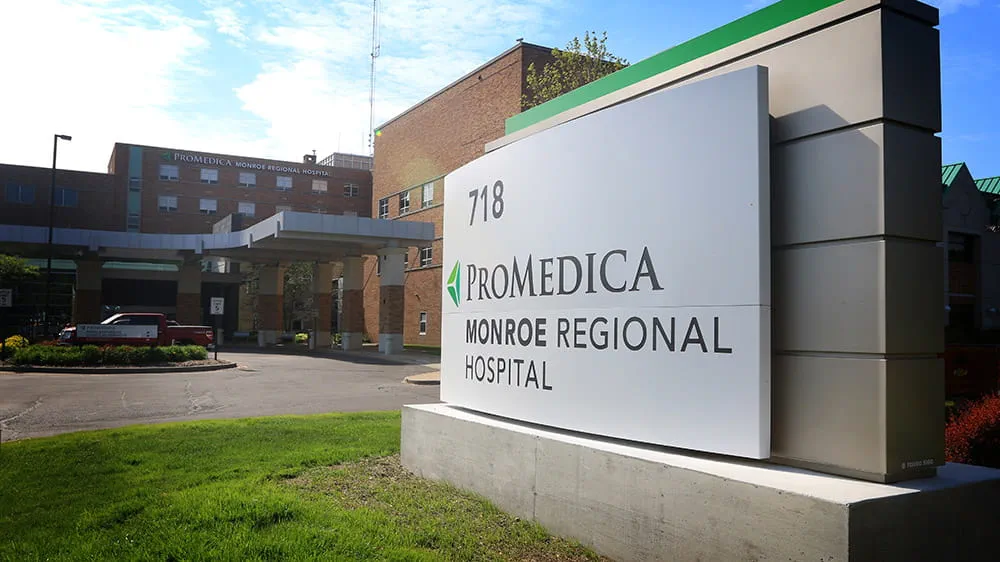
ProMedica Weight Loss Surgery - Monroe
The providers at ProMedica Weight Loss Surgery in Monroe, Michigan, are experts in many weight loss surgeries, including minimally invasive laparoscopic surgery, bariatric surgery, and hernia repair.
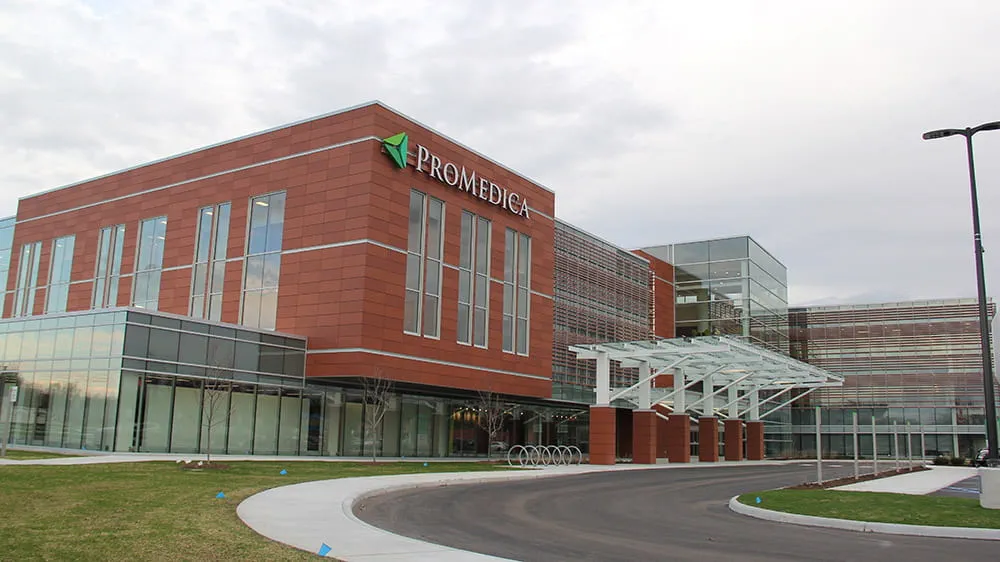
ProMedica Weight Loss Surgery - Sylvania
ProMedica Weight Loss Surgery in Sylvania, Ohio offers comprehensive care for a variety of surgical needs. Our experienced team of surgeons and staff provide personalized care to ensure the best possible outcomes for our patients. We offer a wide
Related News & Stories

Wellness
The Benefits of Movement After Eating
Moving after eating can lower your blood sugar, aid in digestion and even help with weight loss or management.

Care & Treatments
How Bariatric Surgery Improves Fertility and Pregnancy Outcomes
Did you know that a woman’s weight, and her partner’s, can affect their fertility and pregnancy outcomes?

Care & Treatments
The Benefits of Bariatric Surgery Beyond Weight Loss
Did you know that bariatric surgery can help reduce the symptoms of or eliminate existing health conditions entirely?
Experiences
Michelle’s Weight Loss Journey: How Bariatric Surgery Helped Her Get Her Life Back
Michelle experienced a life-changing transformation with the help of Dr. Fourman and ProMedica Weight Loss Surgery.
Experiences
Jason's Fitness Transformation: Bariatric Surgery and Beyond
Jason lost 140 pounds with the help of a clinical program at ProMedica ForeverFit.
Related Services & Conditions
Weight Loss
If your weight is holding you back, it's time for a lasting change. Our weight loss experts provide programs and the support you need to help you reach your goals.
Nutrition Counseling
Nutrition counseling provides one-on-one time with a registered dietitian to help you develop a plan for success so you can reach your nutritional goals.