When there's a family history of cancer, the idea of a possible cancer diagnosis can bring a lot of anxiety about the future. But what if we could help limit the unknowns and ease some of your fears?
When you need answers, you can count on the ProMedica genetic counseling team. We'll help you determine if genetic testing is right for you and your family — and if testing is needed, we'll be there every step of the way. Together, we'll help you manage your cancer risk and take charge of your health.
What is genetic counseling?
Our genes act like instructions for our body’s cells. They help decide what we look like and how our body is built.
Sometimes our genes change, or they look different from normal genes. This is called a mutation. Mutations can affect how cells in your body behave. In some cases, a mutation can raise your risk for cancer.
Scientists have found certain gene mutations can raise the risk for certain cancers. For example, mutated BRCA1 and BRCA2 genes can raise the risk for ovarian and breast cancers.
When parents pass one of these gene mutations to their children, it’s called a hereditary cancer syndrome. Families with this syndrome are more likely to have cancer.
Genetic counseling and testing can help show if you or family members have a hereditary cancer syndrome. If you have the syndrome, you can work with your doctor to come up with a prevention plan. This plan can include regular cancer screenings, lifestyle changes and preventive surgery
Know When To Test
Some cancers are linked to certain genetic mutations. You may want to think about having genetic testing if you or a family member have been diagnosed with:
- Breast cancer before age 50.
- Breast cancer in both breasts (bilateral breast cancer).
- Colorectal cancer before age 50.
- Endometrial cancer before age 50.
- Male breast cancer.
- Metastatic prostate cancer.
- Ovarian cancer.
- Pancreatic cancer.
You may also consider genetic testing if you have:
- A relative with a BRCA gene mutation.
- Family members of Ashkenazi Jewish descent who have had breast cancer at any age.
- More than one family member with the same kind of cancer.
- Several family members who had cancer at a young age.
What To Expect During Counseling and Testing
If you believe you could benefit from a hereditary risk assessment, discuss with your physician. If the two of you decide you are an appropriate candidate, your physician will refer you to our genetic services. Our program is run by board-certified, licensed genetic counselors, and is the largest in the region.
During this appointment, you’ll talk about your personal and family health history so it’s helpful to prepare this ahead of time. The licensed genetic counselor will discuss options for you and your family. These may include further genetic testing, possible changes to medical screening procedures and frequencies, and other risk reducing options.
If genetic testing is deemed appropriate, we’ll refer you to one of the ProMedica hospitals that has genetic testing services. We have nine genetic testing locations in northwest Ohio and southeast Michigan. Once your test results are ready, we’ll go over the results together and come up with a plan for screening and prevention. The genetic counselor will send this plan to your doctor.
Prevention plans are different for everyone. They may include starting cancer screenings early, such as mammograms or colonoscopies. Some people also consider preventive surgery. Your genetic counselor will go over all your choices and will answer any questions you have along the way.
FAQ
Are genetic tests covered by insurance?
Many health insurance plans pay for genetic tests. But you should still check with your own health plan company. Our preauthorization team can help you figure out whether your health plan covers the tests.
Can genetic tests make a difference if I already know I have a family history of cancer?
Yes. Genetic tests can help you and your doctor understand your true risk for a hereditary cancer syndrome. These tests can help you make the best choices to screen and prevent cancer.
Does law prohibit genetic discrimination?
Yes. Federal law prevents discrimination against people based on their genetic information. Most states also have similar discrimination laws.
Who can access my genetic test results?
Genetic test results are completely confidential. Even when health plans pay for tests, the health plan company won’t get the results. We won’t give the test results to anyone unless we have your written permission.
Which family member should be tested first?
The person who has been diagnosed with cancer should be the first person to have genetic testing. But, if this person can’t be tested, we can test another family member.
I had genetic testing a few years ago and my results were negative. Are new tests available?
Yes. Scientists have found more genes that cause hereditary cancer syndromes. Based on your health history, you may want to have more testing.
Can men be affected by hereditary cancer syndromes?
Yes. Both mothers and fathers can pass a hereditary cancer syndrome to their children. Men can also take steps to lower their cancer risk or find cancer early.
Contact Us
If you'd like more information about genetic tests for cancer or want to request an appointment, we're ready to help. Submit this form and a member of our team will be in touch.
*Required
Featured Locations

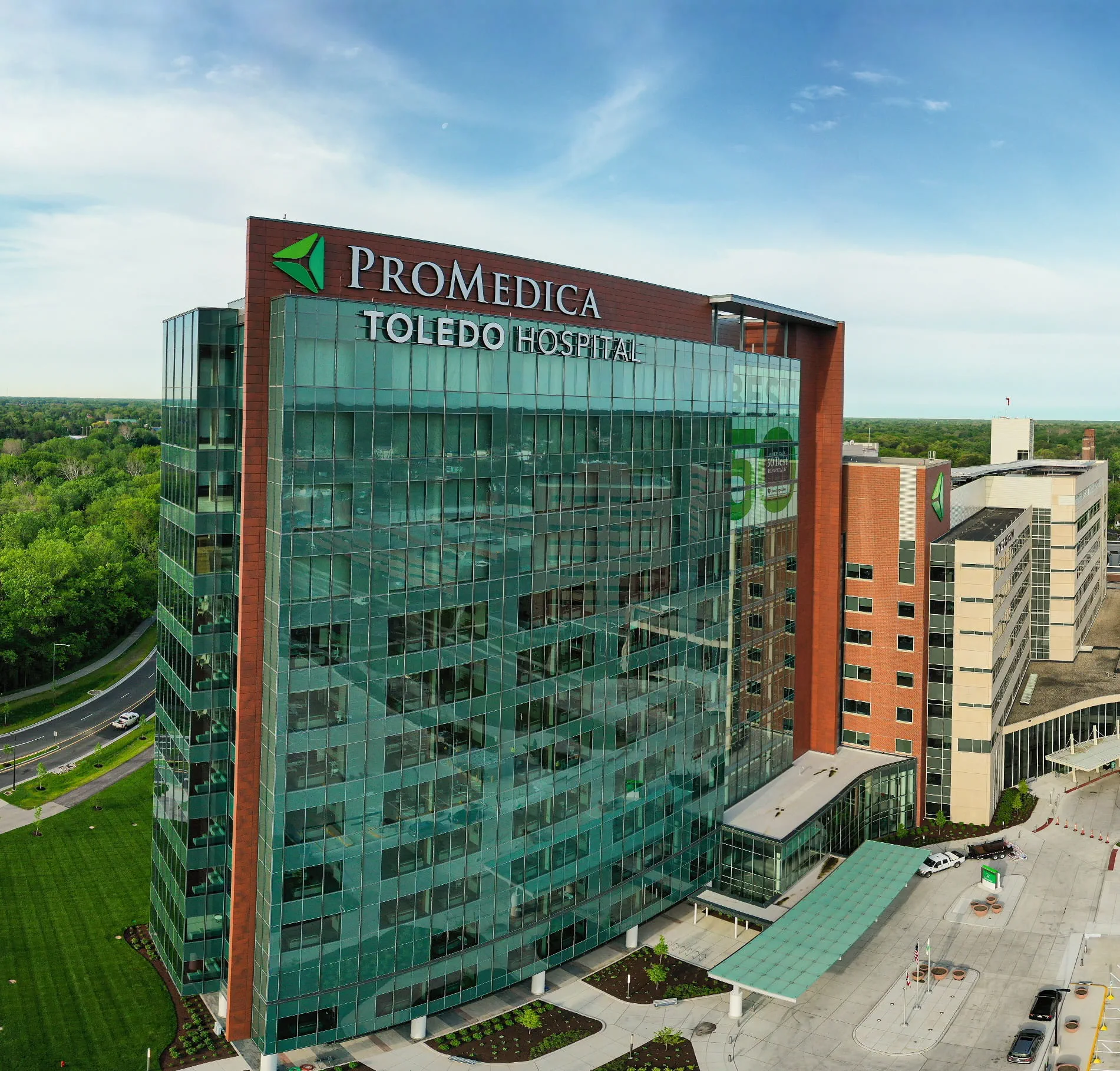
ProMedica Memorial Hospital Orthopaedics
Welcome to ProMedica Memorial Hospital Orthopaedics. Get driving directions, hours of operation, learn about treatment and therapies and more.
Fremont
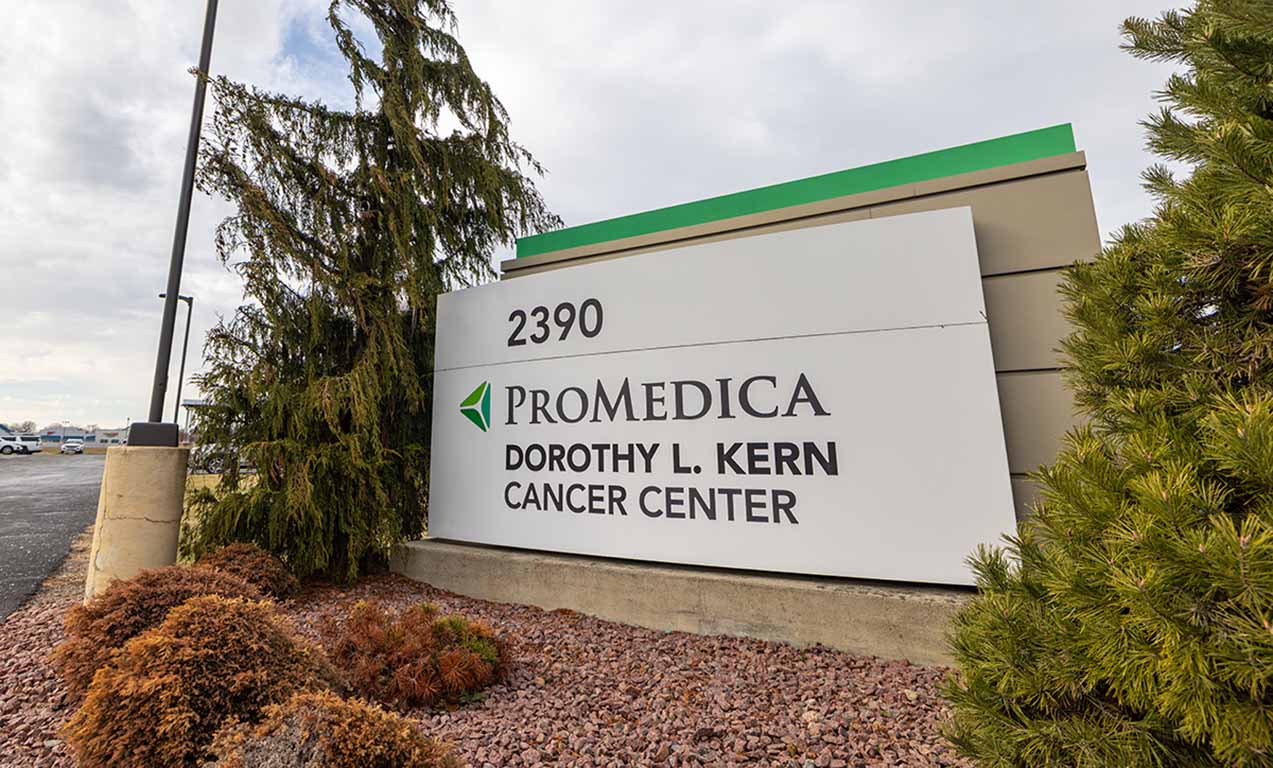
ProMedica Dorothy L Kern Cancer Center
Welcome to ProMedica Dorothy L. Kern Cancer Center Fremont, Ohio. Get driving directions, hours of operation, learn about treatment and therapies and more.
Sylvania
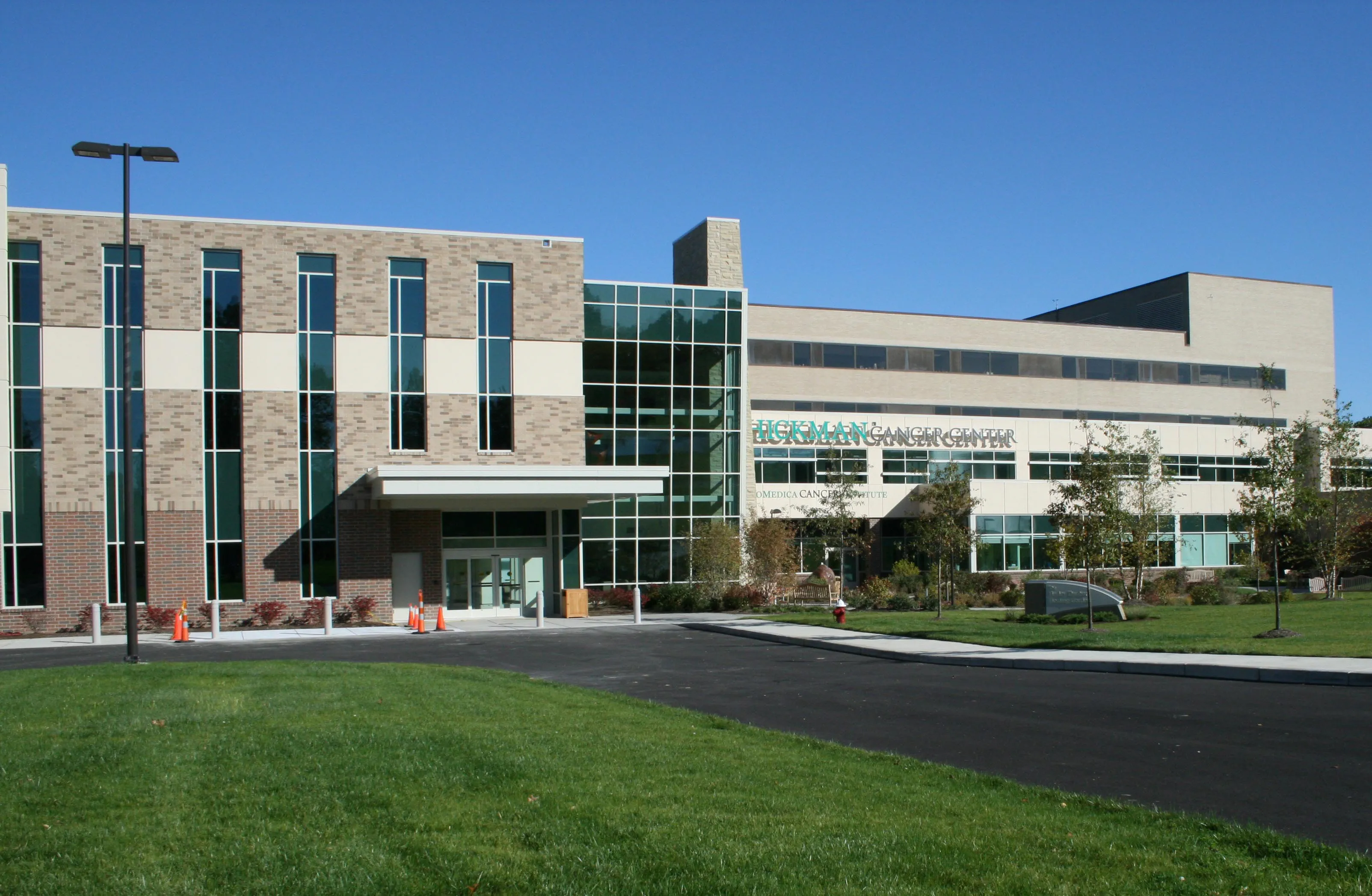
ProMedica Hickman Cancer Center
Discover what ProMedica Flower Hospital Hickman Cancer Center has to offer.

Toledo
Alan W. and Deborah J. Brass Children's Cancer Center
Discover what ProMedica Alan W. and Deborah J. Brass Children's Cancer Center has to offer.
Monroe
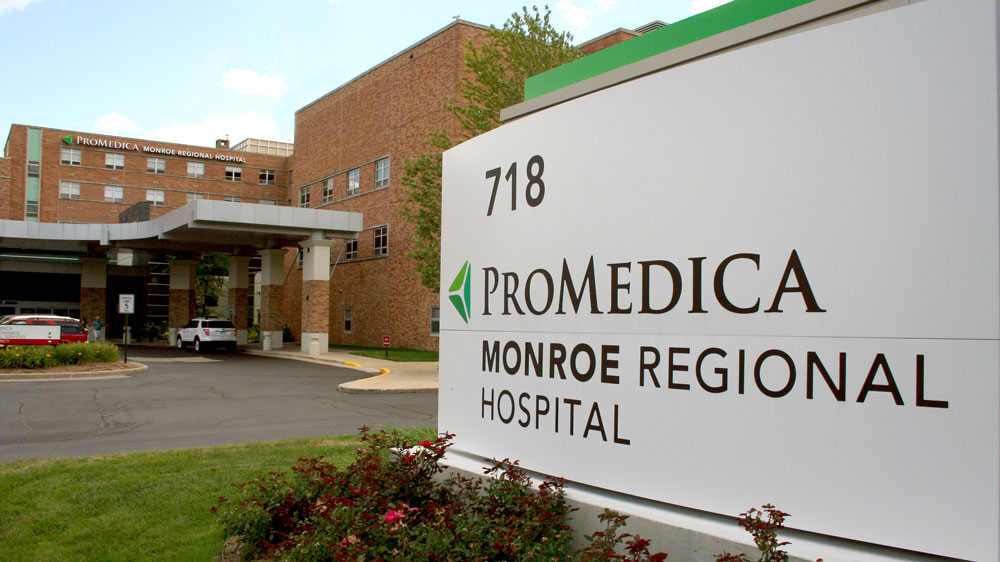
Cancer and Infusion Services
Discover what ProMedica Monroe Regional Hospital Cancer and Infusion Services has to offer.

Defiance
ProMedica Defiance Regional Hospital Cancer Center
Discover what ProMedica Defiance Regional Hospital Cancer Center has to offer.

ProMedica Monroe Cancer Center
Welcome to ProMedica Monroe Cancer Center Monroe, Michigan. Get driving directions, hours of operation, learn about treatment and therapies and more.
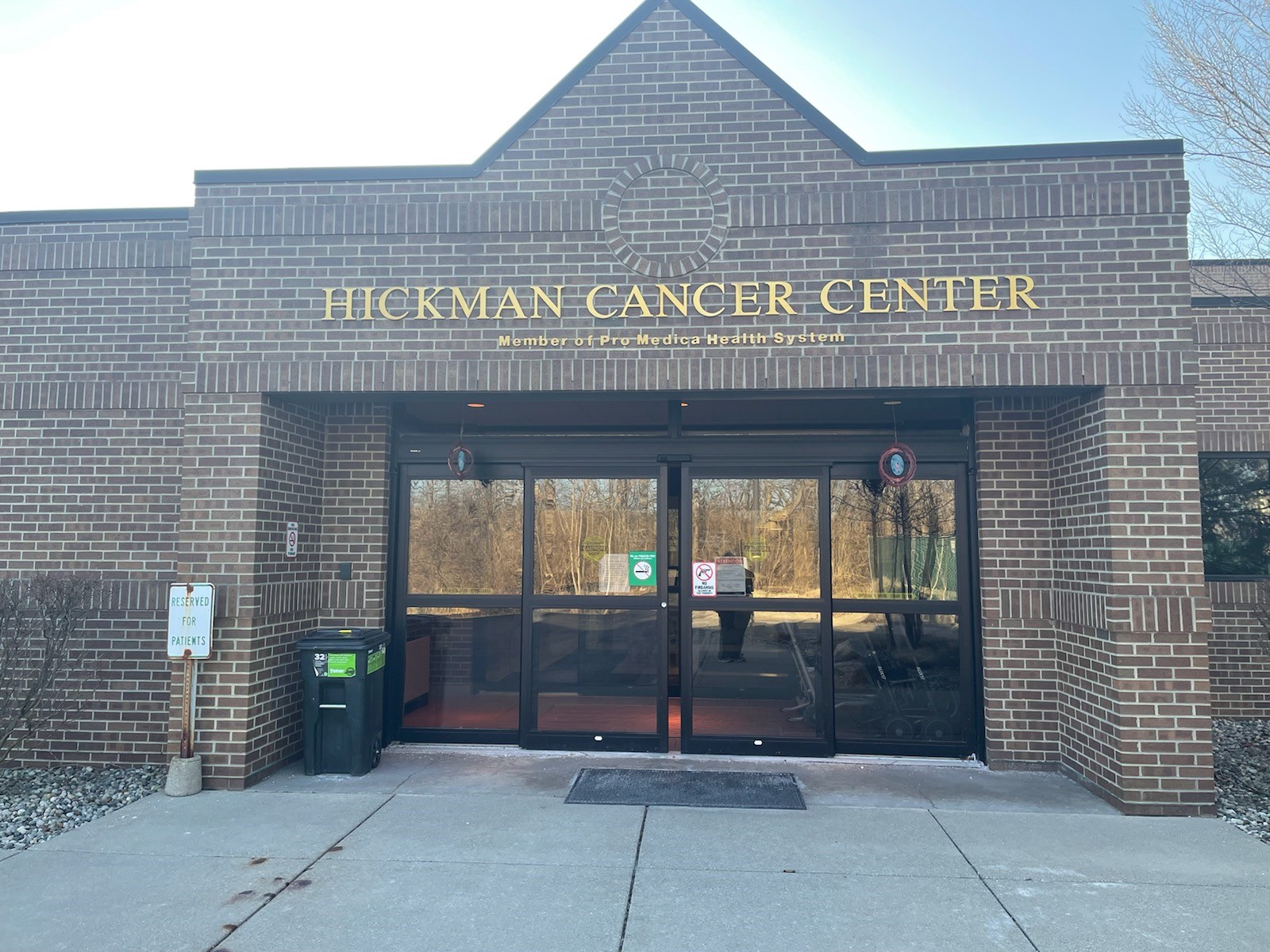
ProMedica Hickman Cancer Center - Adrian
Welcome to ProMedica Hickman Cancer Center Adrian, Michigan. Get driving directions, hours of operation, learn about treatment and therapies and more.

ProMedica Cancer Center at Levis Commons
At ProMedica Cancer Center at Levis Commons in Perrysburg, we are dedicated to providing the highest level of exceptional cancer care close to home.
ProMedica Cancer Institute Genetic Counseling Program
Welcome to ProMedica Cancer Institute Genetic Counseling Program. Get driving directions, hours of operation, learn about treatment and therapies and more.
Related Services & Conditions
Cancer
As part of the largest cancer program in the region, we'll support your cancer journey with unmatched expertise, treatment options and support services.