Frequently Asked Questions
What is menopause?
Menopause is a natural biological process. It's generally considered to have occurred at the point at which it has been 12 months since your last menstrual period. It marks the end of your menstrual cycles and can happen anywhere in your 40s or 50s, but the average age in the U.S. is 51 years old.
What are signs of menopause?
While all women go through menopause, not all women will experience the same symptoms. In the months or years leading up to menopause (perimenopause), you may experience some these symptoms:
- Hot flashes.
- Irregular periods.
- Loss of breast fullness.
- Mood changes.
- Night sweats.
- Sleep problems.
- Thinning hair and dry skin.
- Vaginal dryness.
- Weight gain and slowed metabolism.
When should I see my doctor?
You should continue to see your OB-GYN for annual well-woman visits. It's helpful to talk to your doctor and ask questions prior to going through menopause. Your doctor can discuss preventive health care and address any medical concerns. You can also schedule an appointment with ProMedica's menopause clinic for additional questions or concerns.
How can I prevent symptoms?
In some cases, simple lifestyle changes can help minimize menopause signs and symptoms. Try the following:
- Cool hot flashes by dressing in layers and pinpointing what triggers them.
- Consider relaxation techniques such as deep breathing and guided imagery.
- Decrease vaginal dryness with lubricants and moisturizers.
- Don't smoke.
- Eat a balanced diet.
- Exercise regularly.
- Get enough sleep.
- Get enough Vitamin D, which helps your body absorb calcium, maintain healthy bones, and prevent osteoporosis.
What are my treatment options as I go through menopause?
There are many different options to consider when treating menopause symptoms.
Hormone Therapy
Based on your menopausal symptoms and risk factors, you may be a hormone therapy candidate. Many hormone options are available and can be customized. Talk to your doctor and get information about hormone therapy so you'll feel confident with the treatment choice you make. There are different routes for hormone therapy, including:
- Locally in the vagina (tablets, rings, creams).
- Orally (pills).
- Topically on the skin (patches, gels, mists).
Hormonal Therapy Alternatives
There are several alternatives to hormone therapy, but it's important to speak with your provider before starting them. These include:
- Hormonal topical creams.
- Minerals.
- Over-the-counter herbal supplements (black cohosh).
- Soy products (phytoestrogens).
- Vitamins.
Additionally, some over the counter medications and supplements may interact with prescription medications.
Featured Locations
Fremont
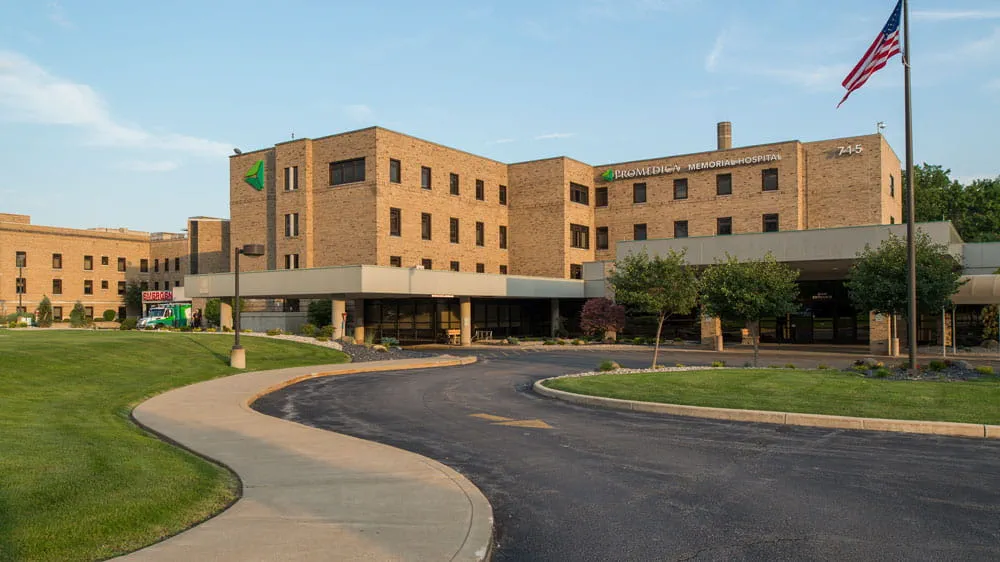
ProMedica Memorial Hospital Women's Diagnostic Center
Advanced breast imaging, including 3D mammography, is available at ProMedica Memorial Hospital.
Oregon
ProMedica Bay Park Hospital Labor and Delivery
ProMedica Bay Park Hospital provides comprehensive childbirth services in Oregon Ohio.
Fremont
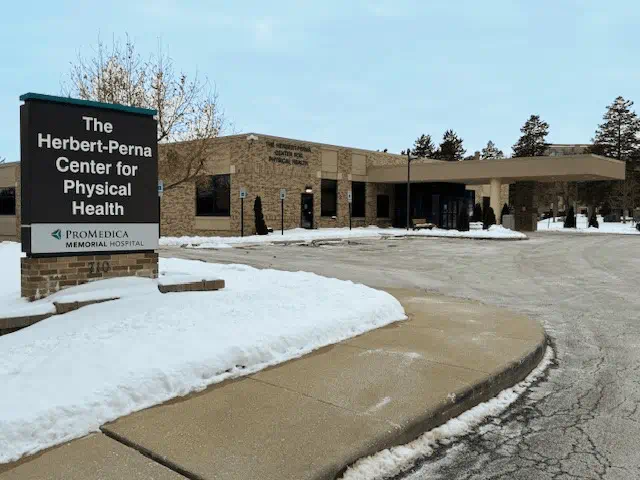
ProMedica Total Rehab
ProMedica Total Rehab in Fremont, Ohio offers comprehensive therapy services, including aquatics, physical, occupational and speech therapies.
Related Services & Conditions
Women's Health
From breast care and gynecologic services to midlife care and pelvic health, we're passionate about women's health and are here for every stage of your life.