Feet have a lot of stress put on them. While it's normal to sometimes have aches and pains, if you have constant foot or ankle pain, it's time to find relief.
Regular visits to a podiatrist can keep your feet and ankles healthy. ProMedica's team of foot and ankle doctors can evaluate and treat foot conditions before they turn serious. Our goal is to help you keep doing the activities you love, without pain.
Our Approach
People all over Toledo and the surrounding areas choose our foot and ankle experts because:
- Our foot and ankle experts provide complete care by working together with orthopaedists, diabetes specialists, sports medicine doctors and other providers.
- ProMedica Physicians Podiatry has been serving the Toledo area for more than 30 years.
- We specialize in podiatric care for both common and complex foot conditions, from corns and bunions to complex sports injuries.
Foot and Ankle Conditions
ProMedica's podiatry team can handle everything from routine checkups and conservative treatments to reconstructive surgery for a variety of conditions, including those listed below.
Achilles Tendon
The Achilles is the longest and largest tendon in the body. The tendon runs from the back of the calf muscle to the heel. One of the common conditions that affect the Achilles tendon is Achilles tendonitis, which is inflammation and swelling of the tendon. Another problem is Achilles tendonosis, which is degeneration or weakening of the tendon. Both conditions raise the risk of a ruptured tendon.
Ankle Instability
Ankle instability means there's weakness or a recurring "giving way" of the outside of the ankle. The condition can be inherited but is usually because of an earlier ankle injury that hasn't been properly treated or hasn't been completely rehabilitated. Repeated sprains can cause more ligament and joint damage and lead to arthritis.
Ankle Sprain
Sprains involve injury to one or more ankle ligaments, usually on the outside of the ankle. Ligaments are bands of tissue, like thick rubber bands, that connect one bone to another at the joints. The ligaments control and limit the joint's motion. The sprain's severity depends on whether the ligament(s) are stretched, partially torn or completely torn. At a minimum, a complete exam and X-rays are needed to accurately diagnose and treat the injury.
Athlete's Foot
This skin disease is caused by a fungal infection that often occurs between the toes. The infection can spread across the entire bottom of the foot and cause dryness, cracking, itching and blisters. Feet are prone to fungal infections because shoes create a warm, dark and humid environment. This encourages fungus growth. Other conditions that can mimic athlete's foot infections are eczema, psoriasis and allergic reactions to shoe dye or glue.
Bunions
A bunion is a visible bump of bone that reflects changes to the bony framework at the ball of the foot. Bunions tend to get worse over time. Bunions are usually caused by wearing high-heeled or pointed shoes that crowd the toes.
Charcot Foot
Charcot foot occurs when the bones and joints in the foot break down because of nerve damage (neuropathy). Charcot foot is a very serious condition that can lead to severe deformity, infection, disability and even amputation.
Diabetic Foot
The most common complications of diabetes that affect the foot are nerve damage (neuropathy), decreased or blocked blood circulation (peripheral artery disease) and decreased response to infection (immune compromise). These problems put people with diabetes at a higher risk for serious infections or foot wounds.
People with diabetes should check their feet closely. It's also very important to have regular foot exams with a podiatrist. Any sudden swelling or redness in the feet could mean there's a serious problem.
Fractures
Bone fractures can be divided into two categories: traumatic fractures and stress fractures. Traumatic fractures are caused by an incident, a direct blow or an injury that results in bruising, swelling and pain. Stress fractures are caused by repeated stress over time that leads to more pain and swelling. Stress fractures can cause pain during activity that may go away after rest. They can be caused by more intense exercise or new activity.
Fungal Nails
Fungal nails are caused by fungus or yeast infections of the nail or nail bed. Often associated with athlete's foot, this condition can become chronic and may resist treatment. Toenail fungus can usually be treated with conservative treatments.
Ganglion Cyst
A ganglion cyst is a benign growth under the skin that contains a jelly-like fluid. They can vary in size, and get smaller or larger over time. They're common on the foot and the wrist and are often located near a tendon or joint. Early treatment can help avoid surgery for larger lesions.
Gout
Gout is a painful disorder usually associated with the big toe. It happens when uric acid collects in a joint or in the tissues. Symptoms of gout include sudden intense pain, redness, swelling and extreme skin sensitivity in the affected area. Blood tests and joint fluid analysis are used to diagnose gout.
Hallux Rigidus
This is an arthritic condition of the joint that's located at the base of the big toe. Hallux rigidus is a form of degenerative arthritis, which means the joint cartilage has worn away. It can cause bone spurs to form and joints to enlarge. It's a progressive condition that causes pain, stiffness, swelling and inflammation of the big toe joint.
Hammertoe
A hammertoe is a bend in one or both joints of a toe. Hammertoes usually get worse over time. Left untreated, the toe can become permanently contracted. People may develop corns or ulcers on the toes because of the toe deformities. Surgery may be needed to straighten the hammertoe.
Heel Pain
Heel pain is most often caused by plantar fasciitis, an inflammation of the tendon-like band of tissue that runs from the heel to the ball of the foot. Heel pain may also be caused by a stress fracture, bone spur, tendonitis, arthritis or nerve irritation. Because there are many causes, it's important to have heel pain properly diagnosed by a podiatrist.
Ingrown Toenail
An ingrown toenail happens when the nail curves down or inward and grows into the skin at the nail border. Symptoms include skin irritation, pain, redness and swelling in the toe. The affected toe is often irritated by shoe or sock pressure. If an ingrown nail causes a break in the skin, bacteria may enter and cause an infection.
Metatarsalgia
Metatarsalgia is a generalized term used to describe pain in the ball of the foot. There is often swelling in this area.
Morton's Neuroma
Morton's neuroma is the most common neuroma in the foot. A neuroma is when nerve tissue between the base of the third and fourth toes in the foot becomes enlarged and scarred. It's caused by compression, trauma or irritation of the nerve. Patients describe a sharp pain or numbness in the associated toes, cramping in the foot or the sense that their sock is curled up under the ball of the foot. If a neuroma isn't treated, it could lead to permanent nerve damage.
Osteoarthritis
Osteoarthritis is a condition characterized by the breakdown and eventual loss of cartilage from the surface of the joint. When "wear and tear" causes the cartilage to become weak, painful symptoms develop that can keep someone from easily doing daily activities. In the foot, the disease often occurs in the big toe joint, but it's also found in the midfoot and ankle joints.
Plantar fasciitis
Plantar fasciitis is an inflammation, weakness or tearing of the tissue called the plantar fascia, anywhere along the bottom of the foot. Symptoms are usually worse when first standing in the morning or after sitting for periods of time. Wearing poorly constructed shoes or shoes without support, going barefoot or even wearing flip-flops can cause this problem.
Posterior Tibial Tendon Dysfunction (PTTD)
PTTD is an inflammation, weakness, overstretching or tearing of the posterior tibial tendon inside the foot and ankle. In PTTD, the tendon's ability to help support the arch is impaired and results in the food becoming flat. PTTD is often called "adult acquired flat foot." Orthotics or braces may help keep the foot from collapsing. Surgical repair may be needed.
Tailor's Bunion
A tailor's bunion is when the bone at the base of the little toe becomes enlarged. It's also called a bunionette. Bunionettes are aggravated by shoe pressure. Wearing shoes that are too tight can make the deformity worse over time.
Tarsal Tunnel Syndrome
Tarsal tunnel syndrome happens when the post tibial nerve is compressed. The post tibial nerve runs along the inside of the ankle into the foot. Tarsal tunnel syndrome is similar to carpal tunnel syndrome of the wrist. The nerve compression may at first cause numbness or pain at the great toe, pain in the heel or cramping in the arch. As the condition goes on, it can lead to muscle wasting, chronic foot pain and permanent nerve damage.
Warts
Warts are caused by a viral infection in the skin. Warts come in different shapes and sizes and include flat warts, mosaic warts and plantar warts. Different types of warts respond best to different treatments. Most can be treated with topical medicine, though some need laser treatment, freezing (cryotherapy) or surgical removal.
Foot and Ankle Treatments
Most foot or ankle conditions can be treated by combining conservative treatments. We can perform many treatments, including minor procedures, right in our office. Our treatments include:
- Custom foot orthotics. Orthotics are special shoe inserts that support your feet and restore normal foot function. They're custom-made for your foot using a digital image, foam impression or plaster casting.
- Diagnostic ultrasound. An ultrasound uses sound waves to create an image of the foot or ankle. It helps us diagnose soft tissue issues such as tendonitis, tendon tears, plantar fasciitis and cysts.
- Minor office surgeries. Our office is equipped to perform many minor surgeries. Under local anesthesia, your foot doctor can safely correct ingrown or fungal nails, remove warts or bone spurs and relax tight tendons and joints.
- PADnet testing. PADnet testing checks the blood circulation in your legs and feet. It can help detect blockages caused by peripheral artery disease (PAD). A person with PAD has a higher risk of stroke, heart attack and serious foot problems.
- Sural nerve conduction study. This study can help us diagnose diabetic peripheral neuropathy (DPN). Neuropathy, or nerve damage, in the legs and feet can cause numbness, tingling and pain. It's often one of the first symptoms of diabetes. This test gives results in less than one minute and can find signs of neuropathy even when symptoms are minor.
- X-rays. Our office uses high-speed, low-dose X-rays to help find and diagnose fractures, bone spurs, arthritis and other bone problems in the feet and ankles. We take and process X-rays during your visit to quickly and efficiently diagnose your condition.
Featured Locations

ProMedica Physicians Podiatry - Adrian
At ProMedica Physicians Podiatry in Adrian, we prioritize your health with personalized care. Trust our board-certified team for all your foot and ankle needs.
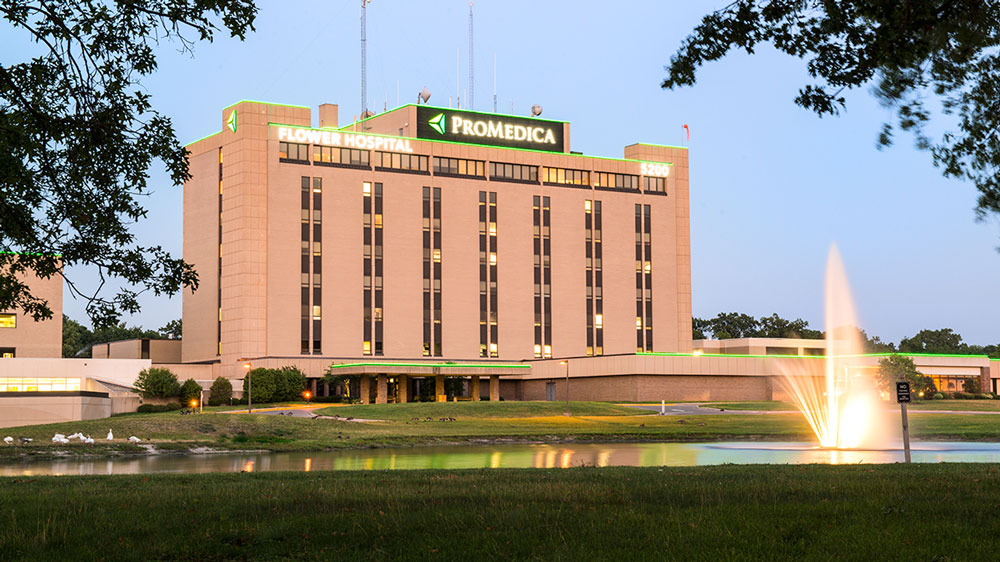
Flower Hospital
Surgery Center
Discover what ProMedica Flower Hospital Surgery Center has to offer.

Bay Park Hospital
Surgery Center
Discover what ProMedica Bay Park Hospital Surgery Center has to offer.

Monroe Regional Hospital
Surgery Center
Discover what ProMedica Monroe Regional Hospital Surgery Center has to offer.

Toledo Hospital Surgery Center
Discover what ProMedica Toledo Hospital Surgery Center has to offer.
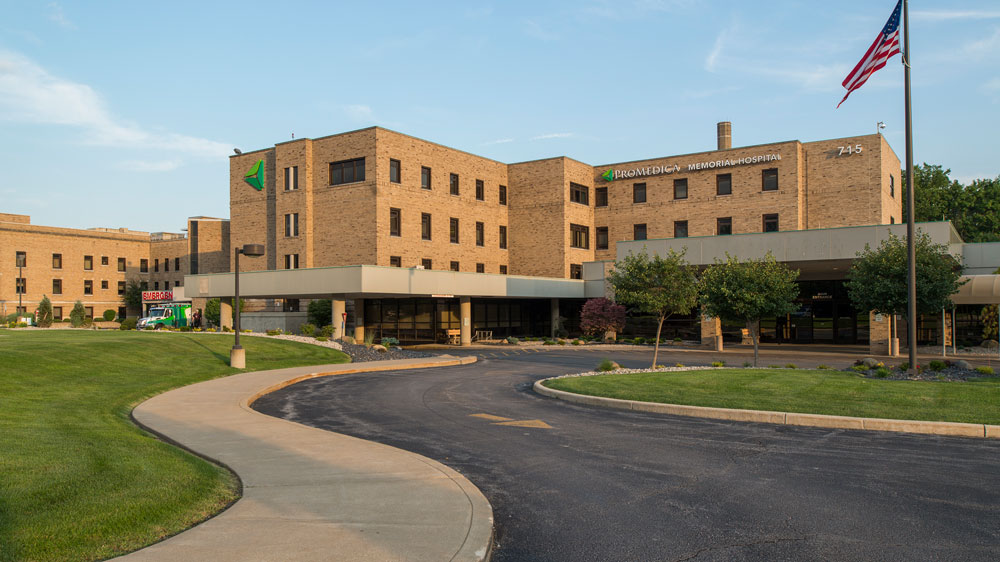
Memorial Hospital
Surgery Center
Discover what ProMedica Memorial Hospital Surgery Center has to offer.

Defiance Regional Hospital
Surgery Center
Discover what ProMedica Defiance Regional Hospital Surgery Center has to offer.
ProMedica Physicians Podiatry - Toledo
At ProMedica Physicians Podiatry, we focus on personalized care in Sylvania, Ohio. Trust our board-certified team to enhance your foot health and well-being.
Related Services & Conditions
Diabetes
Don't just manage your diabetes. Take control of it. We provide treatment and guidance to help you live your healthiest life.