Your doctor has discussed the need for a PET. Understand what it is, what to expect, and how it might benefit your health.
What is a PET?
Commonly called a PET scan, PET stands for positron emission tomography. It's commonly requested in order to provide more information about how the tissues of the brain, heart, lung or breast are working.
How does a PET scan work?
During your PET, you'll be injected with a small amount of radioactive material, called a tracer. This tracer travels throughout your body and collects in your organs and tissues, giving your radiologist a highlighted view of the area under examination.
In order for your radiologist to assess your body's function, you'll lie still on a table and pass through a tunnel-like machine. This machine will detect the tracer and transform the signals into the image your radiologist will assess.
Why is a PET scan important to your health?
Generally, a PET gives your doctor a much more complete picture as to the origin or causes of symptoms you might have. Clear information means concise treatment, and focused treatment gives you the best opportunity to improve your health. Also, a PET can have results that indicate that your body is functioning just as it should, therefore ruling out serious conditions.
Featured Locations
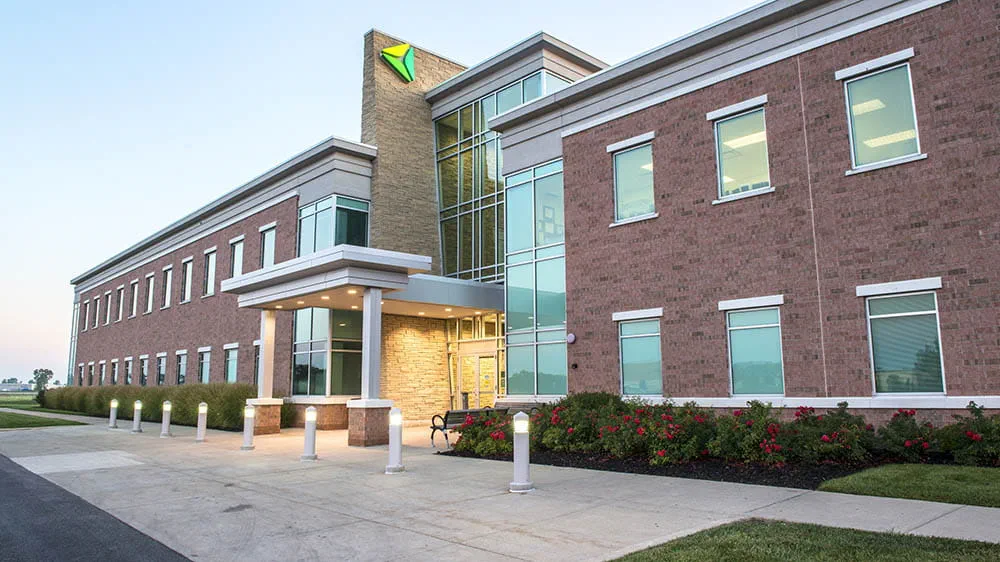
ProMedica Radiology Levis Commons
Welcome to ProMedica Radiology Levis Commons Perrysburg, Ohio. Get driving directions, hours of operation, learn about treatment and therapies and more.
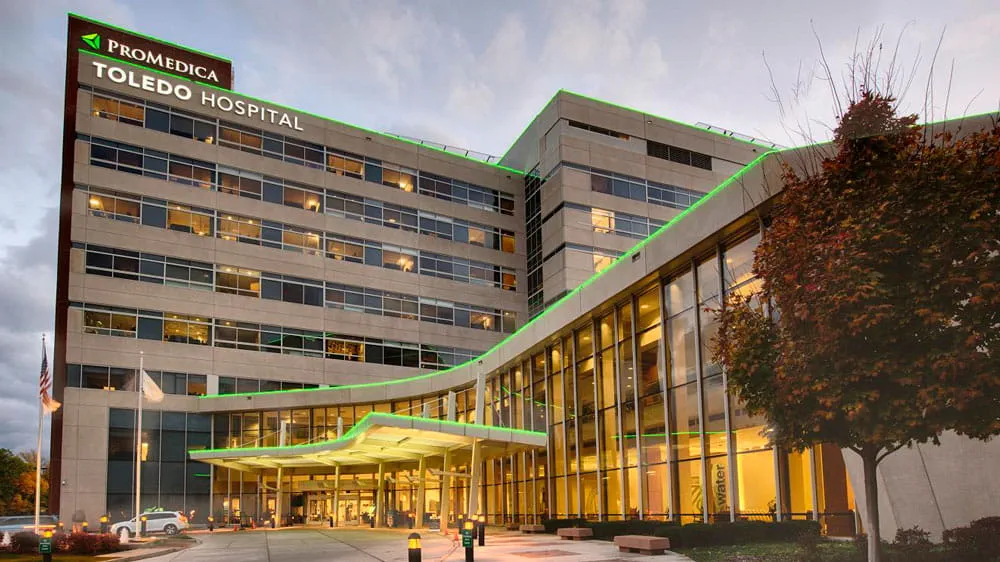
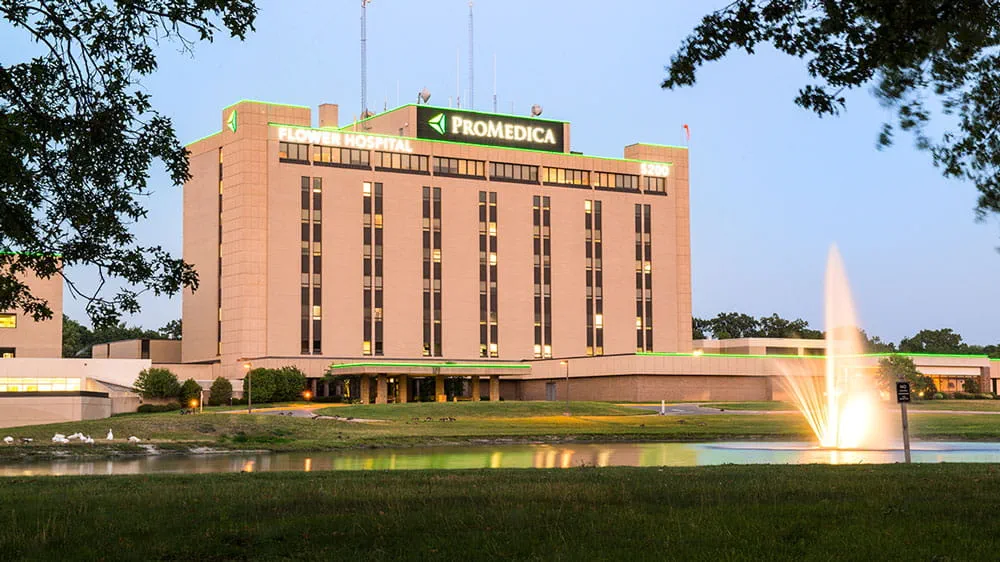
Flower Hospital
Radiology
Discover what ProMedica Flower Hospital Radiology has to offer.
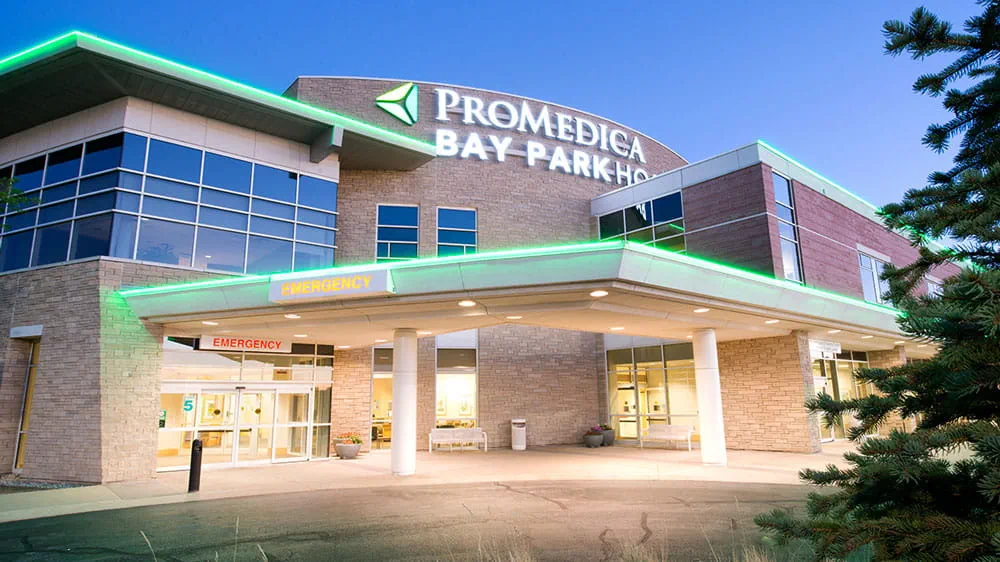
Bay Park Hospital
Radiology
Discover what ProMedica Bay Park Hospital Radiology has to offer.
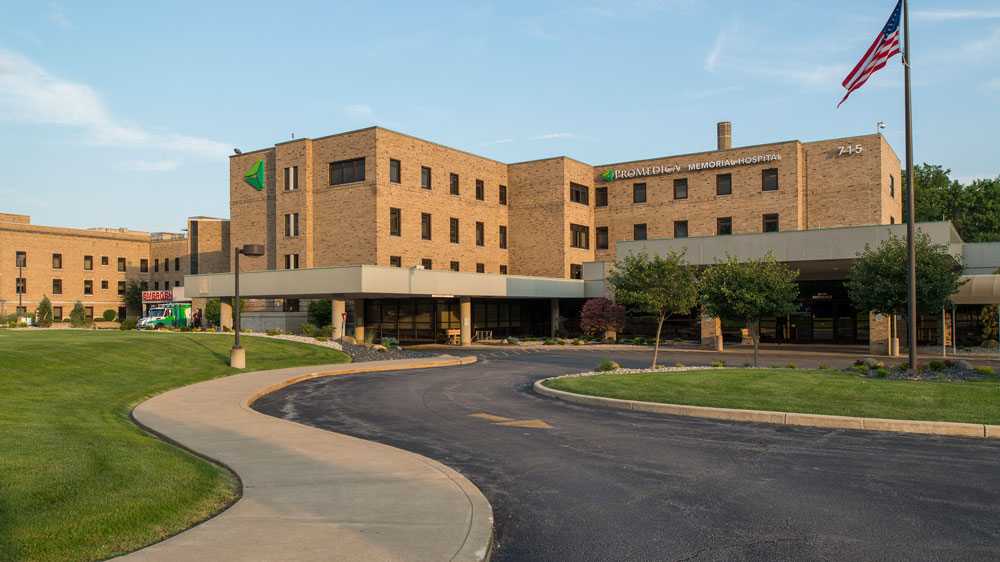
Memorial Hospital
Radiology
Discover what ProMedica Memorial Hospital Radiology has to offer.

Fostoria Community Hospital
Radiology
Discover what ProMedica Fostoria Community Hospital Radiology has to offer.
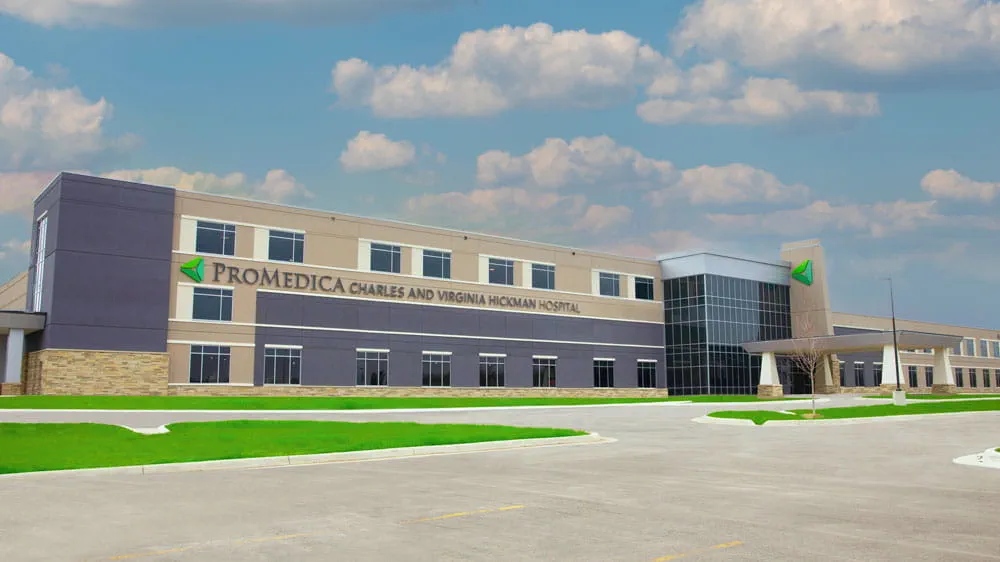
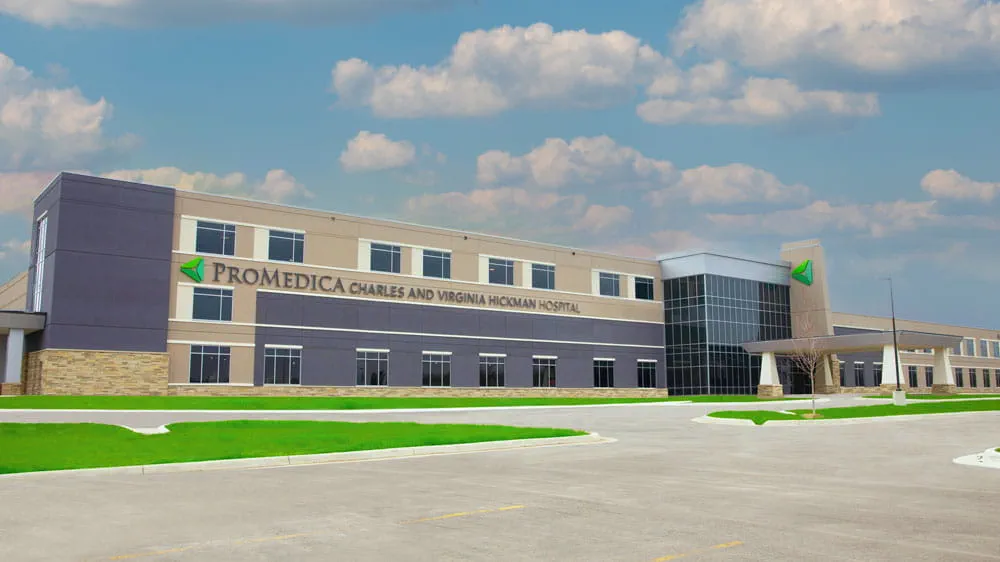
Charles and Virginia Hickman Hospital
Radiology
Discover what ProMedica Charles and Virginia Hickman Hospital Radiology has to offer.
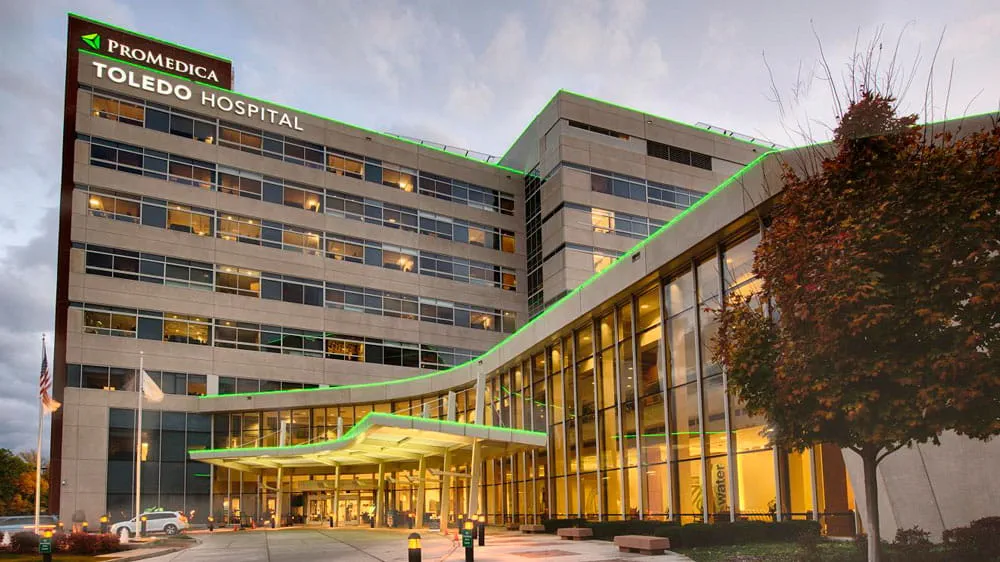
Toledo Hospital Radiology
Discover what ProMedica Toledo Hospital Radiology has to offer.

Northwest Ohio Hemophilia Center
Welcome to Northwest Ohio Hemophilia Center Toledo, Ohio. Get driving directions, hours of operation, learn about treatment and therapies and more.
Fremont
ProMedica Memorial Hospital Women's Diagnostic Center
Advanced breast imaging, including 3D mammography, is available at ProMedica Memorial Hospital.
Oregon
Women's Imaging
Discover what ProMedica Bay Park Hospital Women's Center has to offer.
Adrian
Women's Imaging
Discover what ProMedica Charles and Virginia Hickman Hospital Women's Health Center has to offer.
Related Services & Conditions
Radiology
When you need diagnostic imaging to get a clearer picture of your health, we offer board-certified radiologists and state-of-the-art technology at 30 locations.