You want to reduce your risk for skin cancer, or maybe you need to know what to look for. Be informed. Know the signs. Understand how to prevent this disease.
What is skin cancer?
Skin cancer is a specific form of cancer that develops most often on skin exposed to the sun. The three main skin cancer types are:
- Basal cell carcinoma. The most common cancer form. Found in the deepest part of your skin's outermost layer.
- Squamous cell carcinoma. Develops in the flat, outer skin cells.
- Melanoma. A malignant tumor that forms in the melanin-forming cells. Often appears as dark brown or black "moles" on your skin.
What skin cancer signs should you look for?
It's important to check yourself and have a dermatologist check your skin regularly. Examine not only skin that's regularly exposed to the sun on your face, arms, lips, and scalp, but also places rarely exposed like the bottoms of your feet, stomach, and palms of your hands. Common signs for each skin cancer type vary.
- Basal cell carcinoma often appears as:
- A fleshy colored, flat lesion.
- A small, white, shiny bump.
- Squamous cell carcinoma often appears as:
- A flat, crusty lesion.
- A raised, hard, red bump.
- Melanoma often appears as:
- A mole that changes shape, color, texture, or starts to bleed.
- A large, brownish, speckled spot.
- A small irregular spot that appears blue, black, red, or white around the edges.
- Dark lesions in your mouth, lining of your vagina or anus, or on the palms of your hands, bottoms of your feet, fingertips, or toes.
What can you do to prevent it?
Skin cancer prevention is within your control. Follow these simple steps to reduce your risk:
- Wear sunscreen all year long.
- Avoid the sun at high points of the day.
- Don't use tanning beds.
- Wear protective clothing.
- Men and women, especially over age 18, should always request a skin exam during regular health check-ups.
- See your dermatologist regularly for thorough skins checks, early detection, and treatment.
What type of doctor treats skin cancer?
Most skin cancers can be removed in-office by your dermatologist. However, if your skin cancer is more advanced, you may require a cancer treatment team that could include surgical oncologists, medical oncologists, or radiation oncologists.
Featured Locations

ProMedica Memorial Hospital Orthopaedics
Welcome to ProMedica Memorial Hospital Orthopaedics. Get driving directions, hours of operation, learn about treatment and therapies and more.
Adrian
Chemotherapy and Infusion Services
Discover what ProMedica Hickman Infusion Center has to offer.

Oregon
ProMedica Bay Park Hospital Cancer Care
Discover what ProMedica Bay Park Hospital Cancer Center has to offer.
Fremont
Cancer Care
Welcome to ProMedica Dorothy L. Kern Cancer Center Fremont, Ohio. Get driving directions, hours of operation, learn about treatment and therapies and more.
Sylvania
ProMedica Hickman Cancer Center
Discover what ProMedica Flower Hospital Hickman Cancer Center has to offer.

Fostoria
Cancer Care
Discover what ProMedica Fostoria Community Hospital Canter Care has to offer.
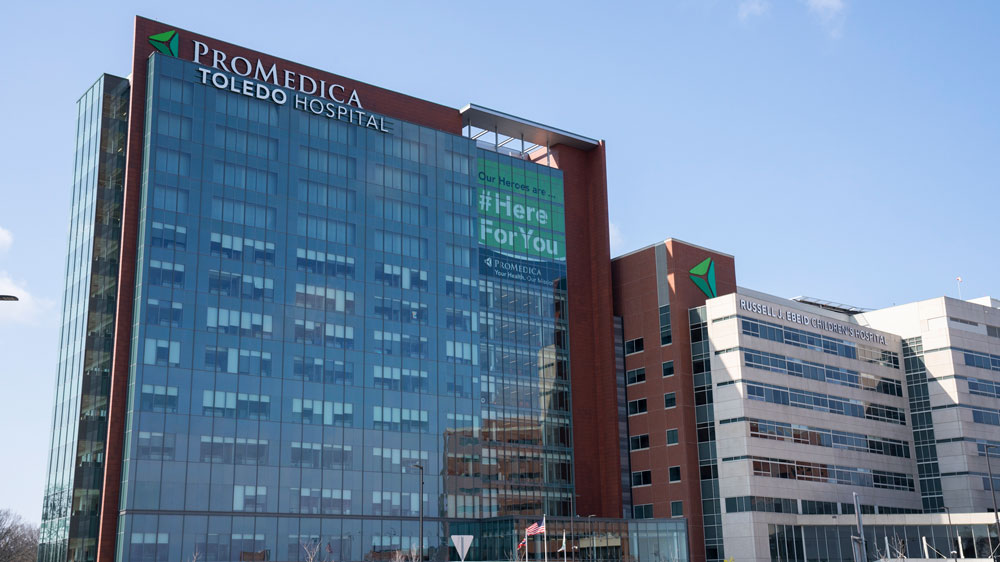
Toledo
Alan W. and Deborah J. Brass Children's Cancer Center
Discover what ProMedica Alan W. and Deborah J. Brass Children's Cancer Center has to offer.
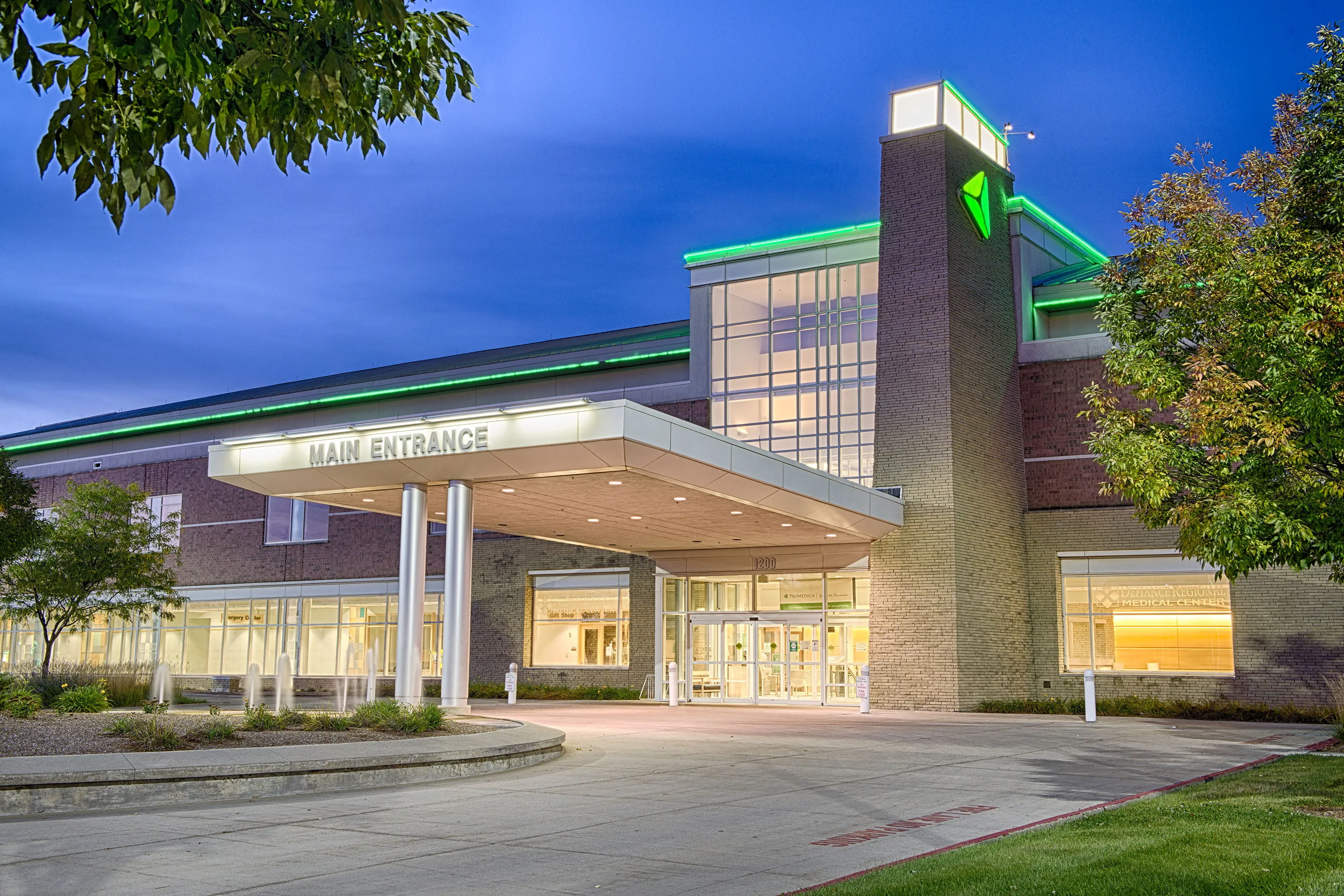
Defiance
ProMedica Defiance Regional Hospital Cancer Center
Discover what ProMedica Defiance Regional Hospital Cancer Center has to offer.
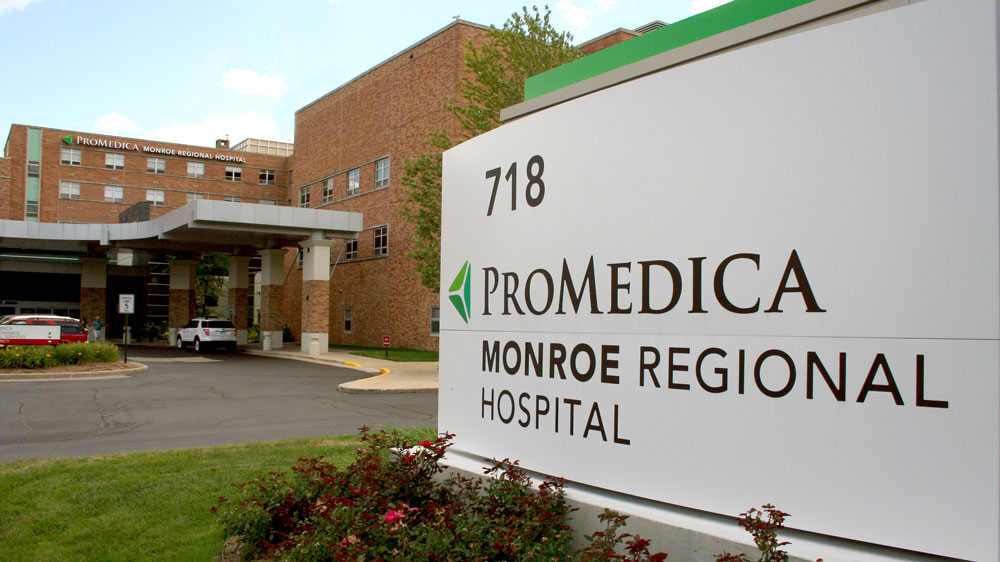
Monroe
Cancer and Infusion Services
Discover what ProMedica Monroe Regional Hospital Cancer and Infusion Services has to offer.
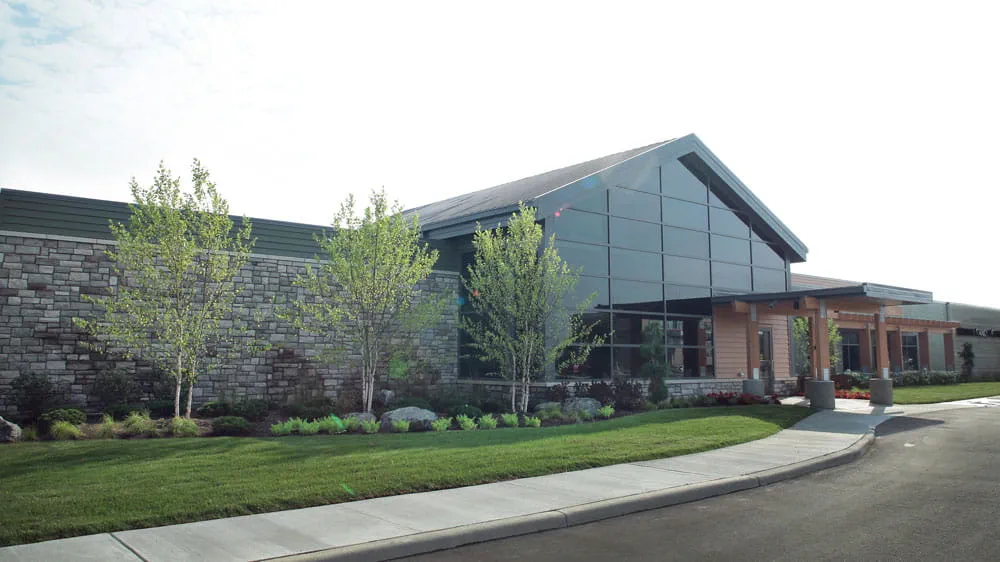
ProMedica Monroe Cancer Center
Welcome to ProMedica Monroe Cancer Center Monroe, Michigan. Get driving directions, hours of operation, learn about treatment and therapies and more.
Sylvania
ProMedica Cancer Institute High Risk Clinic
ProMedica Cancer Institute’s High Risk Clinic is dedicated to supporting people with a higher-than-average risk of developing certain cancers.
Related Services & Conditions
Cancer
As part of the largest cancer program in the region, we'll support your cancer journey with unmatched expertise, treatment options and support services.