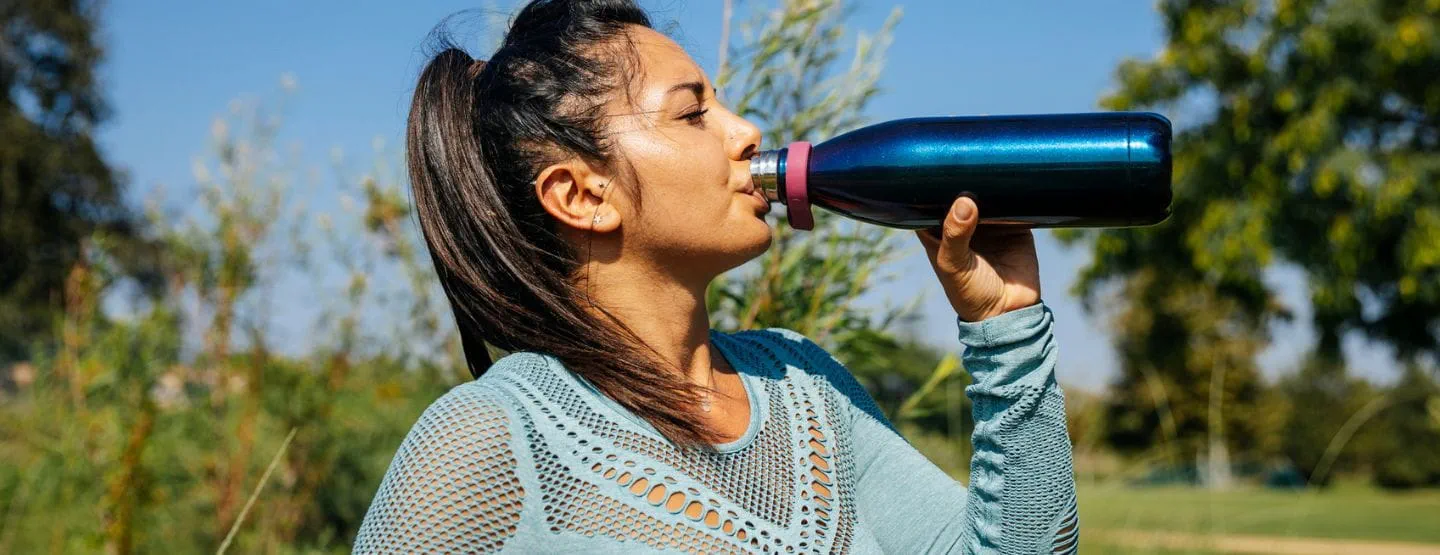
We all know that cutting down on calories can result in weight loss. But can increasing your water intake help you shed the pounds?
How Drinking Water Can Help You Lose Weight
Various studies have suggested a number of ways in which drinking water can help you lose weight. “Some studies have shown that our bodies read mild dehydration as hunger,” shares Alon Geva, MD, bariatric surgeon with ProMedica Weight Loss Surgery. Keep in mind that 20% of your total hydration comes from food.
This means that you may feel hungry and reach for a snack, when really your body is telling you that you need more water. Choosing to drink a glass of water the next time a snacking urge hits you can help you feel satiated for anywhere between 30 and 100 minutes. It also results in a lower calorie intake, which may help you lose your extra pounds and manage your weight in the long term.
There are also a few studies that show that your metabolic rate may increase by drinking water – specifically, cold water.
“Remember, our bodies are machines that work best at certain temperatures and conditions. The theory is that if you drink a glass of cold water, your body expends energy trying to bring that water up to your normal body temperature, which speeds up your metabolism in the process,” Dr. Geva shares.
These studies suggest that the best time to drink a glass of cold water to speed up your metabolism is between 30 and 90 minutes before a meal.
Finally, drinking water with your meals can help you decrease your overall calorie intake. “Your stomach can only take in so much volume,” says Dr. Geva. “If you’re filling half of it with nutritious food, and the other half with water, you stay hydrated and take in less calories overall, as opposed to just filling it with food.”
That water volume can also slow down the rate at which your stomach empties, helping you feel full even longer.
When To Drink Water for Weight Loss
As we mentioned earlier, some studies suggest certain times may be better to drink water for weight loss. If you are trying to increase your metabolism, try to drink a glass of cold water 30 to 90 minutes before your next meal. If you are trying to stay full longer and take in less calories, try to drink a glass of water with your meal.
“There is no reason you cannot drink two glasses and work on losing weight through both strategies,” explains Dr. Geva.
How much water should you drink for weight loss?
How much water to drink for optimal results varies from person to person.
“The bare minimum amount of water that a person needs to drink each day to still function is one-half of a liter. However, this is not ideal. It is just the bare minimum your kidneys need in order to filter out waste,” Dr. Geva shares.
Scientific studies suggest that an average sized male should aim to drink 12 cups of water per day (96 fluid ounces), and an average female should aim for 8.5 cups a day (68 fluid ounces). These numbers can vary a lot from person to person.
“A good way to gauge if you’re drinking enough water is to look at your urine,” Dr. Geva says. “If it is clear or light yellow, you are well hydrated. If it is darker yellow, it is time to drink more.”
What is water weight?
If you’re looking to lose weight, you shouldn’t be too concerned about holding onto “water weight.”
“Your body is designed to maintain homeostasis,” Dr. Geva shares. “This means it will adjust multiple variables to maintain a relatively constant state.”
This is why the amount of urine you make can vary based on how much water you are drinking. Drink a lot of water, and your kidneys will make more urine to filter out the extra water. Drink too little, and your kidneys will concentrate the urine to help them get rid of waste products with less water. This is what causes your urine to have different colors, from clear all the way to dark yellow.
Having said that, Dr. Geva cautions that certain medical conditions may make it harder for your body to filter out extra water. These conditions can include diseases like chronic kidney disease, renal failure or congestive heart failure. If you are considering adding larger amounts of water intake to your weight loss plans, you may want to discuss this with your primary care provider first.
What role does water play in exercise and muscle growth?
While losing extra fat is important for good health, it is also important to build muscle to keep a healthy body. You can do this by engaging in moderate to vigorous exercise 75 to 150 minutes per week. But does water help you build muscle and exercise better?
Good hydration is very important to getting the best results from your exercise. Water is used by the body to help you vent extra heat that you build up while you exercise.
It does this in two ways:
First, water is a key component of blood, which circulates heat from your muscles to your skin for venting. “This is sort of like how the radiator in your car works. The water picks up heat from the muscles and drops it off at the skin,” explains Dr. Geva. A well hydrated person will have a higher blood volume and be able to move heat more efficiently to the skin.
Second, water is used to make sweat, which your body uses to shunt the heat from the skin to the environment. Adequate hydration is crucial to make an appropriate amount of sweat. If your body cannot vent the heat you generate from exercise, you will not be able to exercise as long or as hard, and you will have a harder time reaching your fitness goals.
Your body also needs good blood volumes to help get nutrients to your muscles in order to exercise. If you are not well hydrated, your muscles may not get the sugars, starches or fats they need to make energy, and may start to break down proteins in order to meet their energy demands. This will mean your workout will be less effective at building muscle mass.
Drinking Water Prior to Exercise
The best time to fuel up on water is two to three hours prior to exercise. Your body needs time to absorb the water before you start working out.
Tips for Drinking More Water
Looking for fun ways to help get yourself to drink more water? Try these ideas to increase your water intake:
- Get a new water bottle. Water bottles with ounce measurements on their side can help you track how much you are drinking throughout the day.
- Aim to drink a glass of water every hour. When you see the clock strike the next hour, make sure you have finished your cup!
- Try fruit in your water. Infusing water with fruit or veggies is a great way to switch up the taste.
- Enjoy decaffeinated tea. Tea can add a bit of flavor to your water. Just make sure it doesn’t contain caffeine, because caffeine makes your body lose water.
- Incorporate sparkling waters. Sparkling waters hydrate just as well as normal water. Add them to the mix to switch things up.
- Set reminders on your phone or water reminder application. Whether it’s every half-hour, hour or two hours, reminders can help you keep up with your water intake goals. Apps like WaterMinder can help you calculate how much water you need and remind you when it’s time to drink more water.
- Drink a glass of water first thing when you wake up. This is a great way to jump-start your daily water intake.
All of these ways can help you increase your water intake.
Other Drinks To Help with Weight Loss and Muscle Growth
The focus should always be on water. But there are a couple of other drinks that may support some people in achieving their weight loss or muscle growth goals.
Protein shakes may be a drink to consider. They should have at least 20+ grams of protein, and be low in sugar and fat. Protein can help you build muscle and feel full longer, resulting in fewer calories consumed.
If you are working out intensely, and constantly sweating, electrolyte or sports drinks may be helpful in your routine. Make sure that they are low in calories and sugar so that you are not consuming high amounts of calories in liquid form.
Alon Geva, MD
Dr. Lutz is a bariatric surgeon with ProMedica Weight Loss Surgery. View his profile.
Subscribe to Our ProMedica Newsletter
Looking for inspiration on how to improve your health and well-being? Get trustworthy health news, wellness tips and inspirational patient stories delivered to your inbox twice a month with our free ProMedica newsletter.