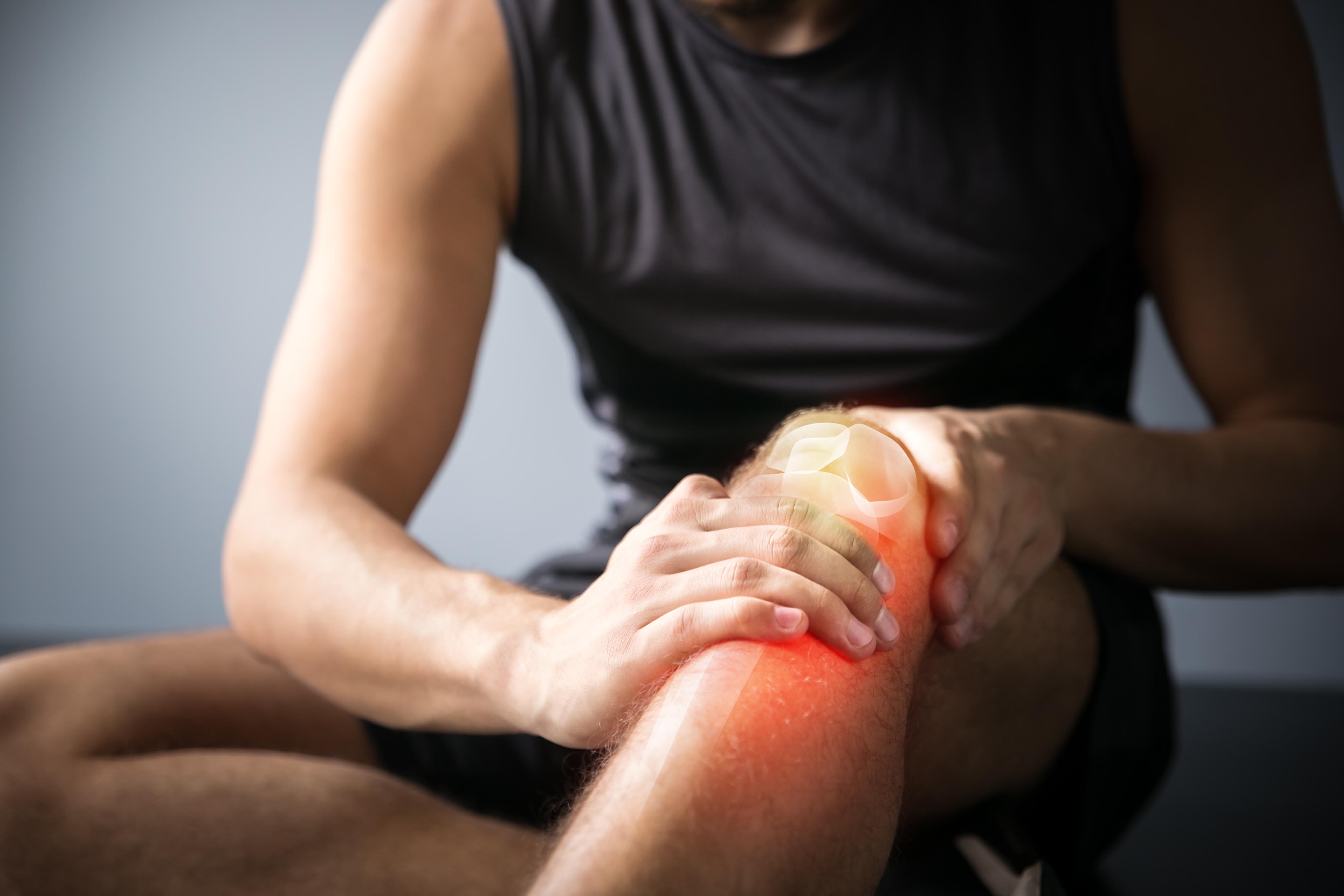
When joints hurt, exercise may seem like the last thing you want to do – but staying active is essential for long-term joint health. Moderate physical activity can reduce pain, improve movement of arthritic joints and help manage chronic pain.
National guidelines suggest aiming for aerobic activity three to five days a week and strength training two to three days. Every movement is an investment in your future, and your exercise plan should be customized to your health and personal goals.
Where To Start
Creating the right exercise plan for you takes patience, and sometimes, a little trial and error. For example, if your current exercise routine is causing pain or you’re not sure which type of exercise to start with, physical therapists are uniquely positioned to address these concerns. In many cases, you can see a physical therapist directly (no referral needed) saving you time and helping you feel better, faster.
Dr. Michael Studnicka, DPT, physical therapist at ProMedica, explains, “We start with history and a physical examination to determine the cause of symptoms and the tissues that are painful. With this knowledge and utilizing evidence-based practice, we initiate a treatment plan to address these impairments.”
“Particular to therapeutic exercise, we can use gravity with or without resistance starting with simple motions and if tolerated expanding to more functional movements,” he adds. “If this causes pain, we can perform gravity-eliminated exercises while the condition continues to heal and return back to gravity when appropriate. We just have to work together until we find the right mix of physical activity for you.”
Discover Different Types of Exercise
When mapping a course for feeling better, it helps to know your options. Dr. Studnicka suggests learning about a few different types of exercise, including low-impact aerobic exercise, strength training, and flexibility and range of motion exercises.
Discover examples and key benefits, below.
| Exercise Type With Frequency |
Examples |
Key Benefits |
Ideal For |
|---|---|---|---|
| Low-Impact Aerobic 3–5x/week |
Walking, cycling, swimming, elliptical, water aerobics | Improves stamina, reduces stiffness, boosts mood | General mobility and heart health |
| Strength Training 2–3x/week |
Body weight squats, resistance band leg press, dumbbell lunges, leg machines | Builds joint support, reduces load, boosts function | Muscle weakness and joint instability |
| Flexibility/ROM Daily or post-exercise |
Hamstring stretch, heel slides, yoga, tai chi, seated knee extensions | Maintains mobility, reduces stiffness, improves posture | Stiff joints and mobility limitations |
Know How To Modify and When To Stop
If you live with osteoarthritis, you may notice increased joint pain when starting an exercise routine, but don’t be discouraged. Mild discomfort is expected and doesn’t mean harm. In fact, exercising regularly, even with initial pain, can improve your joint health, reduce long-term symptoms and enhance daily function. Staying consistent is what makes the biggest difference over time.
“Generally, you want to remain as active as you can, but you need to stop when your pain goes beyond a mild amount,” says Dr. Studnicka. “If this warning sign is ignored, the inflammatory process will start. Depending on the severity of pain that results, it could stop you from exercising for a couple days or halt work on a project.”
Physical therapists can teach pain management strategies. When a joint begins to hurt, simple movements and a short rest break can make it easier to resume the exercise or project.
To enjoy the benefits of increased activity, use the SMART method:
- Start low, go slow.
- Modify activity when arthritis symptoms increase.
- Activities should be joint friendly.
- Recognize safe places and ways to be active.
- Talk to a health professional or certified exercise specialist.
Exercise should help you improve, and not be an arduous, painful task. If you’re exercising more, enjoying it less and aren’t seeing improvement – modify your routine.
To get the most out of your workout, you can modify any or all the five variables of physical exercise:
- Arc of movement: If a movement is painful, change the range and/or angle.
- Duration: Change how long you do an exercise.
- Frequency: Change how often you exercise.
- Intensity: Change how hard you exercise.
- Speed: Change how fast you exercise.
Get Started With a Plan
A medical professional, such as your primary care doctor or a physical therapist, can help you develop an exercise plan tailored to your joints, lifestyle and long-term goals. Physical therapists can also guide you in other areas that support joint health, like managing weight, building strength and staying active safely.
For instance, if you're overweight, even modest weight loss can make a big difference.
“A 10-pound weight loss can reduce the risk of knee osteoarthritis by 50% and translates to 40 pounds of less force per step,” says Dr. Studnicka. “And this translates to less pain and more exercise.”
Once you begin to feel the benefits of movement and joint relief, it can become the motivation to keep going.
Michael Studnicka, DPT
Dr. Studnicka is a physical therapist at ProMedica.
Subscribe to Our ProMedica Newsletter
Looking for inspiration on how to improve your health and well-being? Get trustworthy health news, wellness tips and inspirational patient stories delivered to your inbox twice a month with our free ProMedica newsletter.