Cancer can have many treatment methods, and oftentimes, a combination of a few. If radiation therapy is on your treatment plan, here’s everything you need to know – from what to expect to potential side effects.
What is radiation therapy?
Radiation therapy is a type of cancer treatment. It uses radiation to kill or stop the growth of cancer cells. Several forms of radiation therapy may be used:
- External beam radiation is the most commonly used type of radiation therapy. In this type of radiation therapy, X-ray beams or electrons are used to target the tumor.
- Brachytherapy is another form of radiation therapy that may be used. This type of radiation therapy involves implanting radioactive seeds or a device in or around the tumor. This allows the radiation oncologist to further localize the treatment to that tumor.
- Radiopharmaceuticals may be used to administer a radioactive isotope orally or intravenously (through an IV) to target the tumor.
How is a treatment plan determined?
“We take an evidence-based approach to determining if radiation therapy is necessary for the patient and the type of radiation therapy that will be used for each patient,” shares Jeffery Forquer, MD, a radiation oncologist at ProMedica Hickman Cancer Center – Sylvania. “It depends on the type of cancer, stage and any other medical problems the patient might have.”
Each treatment plan at ProMedica Cancer Institute is highly personalized. The cancer care team, which includes the patient’s oncologist and other cancer specialists such as radiation oncologists, surgeons and pathologists, will meet to discuss your case and determine the best treatment plan and schedule.
The treatment plan is then developed based on the expertise of the cancer care team. Their decisions are backed by clinical studies that demonstrate the highest benefit to the patient.
Preparing for Radiation Therapy
The first appointment with a radiation oncologist won’t involve any radiation treatment. Rather, the first appointment involves a lot of education and decision-making. The radiation oncologist will collect a detailed medical history and perform a physical exam. They will also discuss the radiation process and the patient’s treatment plan.
This appointment is then followed by a mapping and planning session. At the meeting, the patient will receive more information on their treatment plan. Then a planning scan will be performed so that the radiation oncologist can begin to detail their treatment plan.
It’s always good to have a support person with you at both appointments. The amount of information presented can be overwhelming, so it’s nice to have another person there with you if possible.
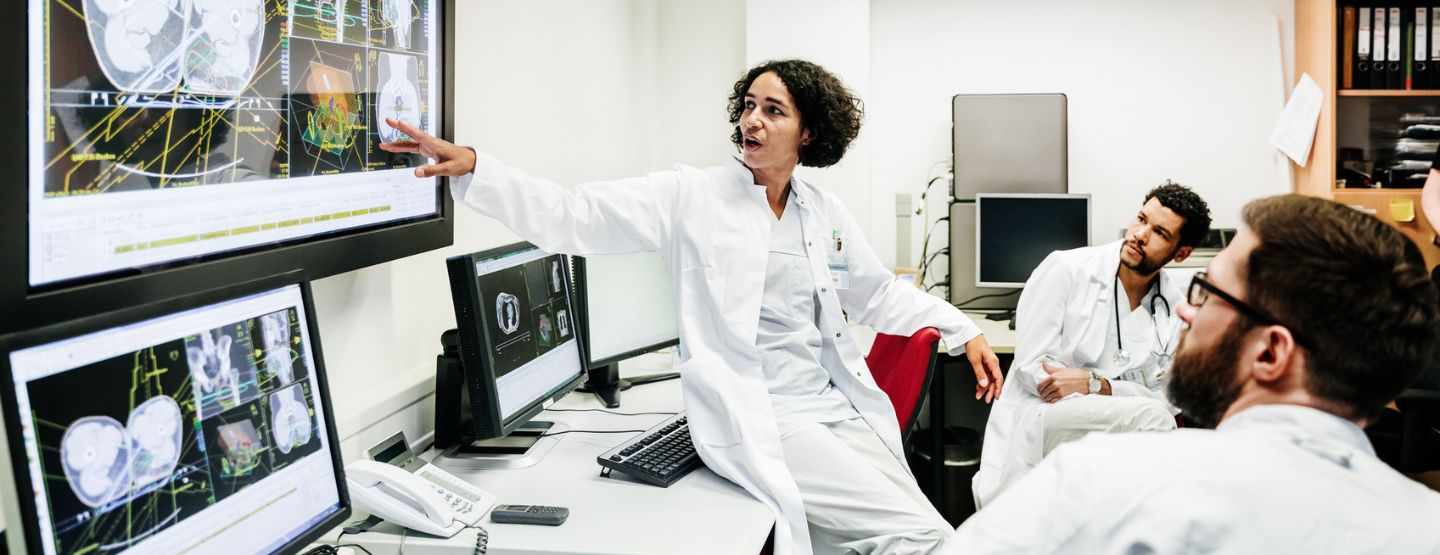
“This is then where we really get to work behind the scenes,” shares Eric Kielhorn, MD, a radiation oncologist at ProMedica Hickman Cancer Center – Sylvania. “Based on our findings from the planning scan, we will map out the tumor and anything to avoid when we are administering the radiation treatment.”
Beginning Radiation Therapy
After preliminary appointments and planning sessions have been completed, radiation therapy will begin. Typically, radiation therapy treatment sessions occur daily and last around 15 to 20 minutes each. Radiation therapy is just like getting any other X-ray or scan. The patient will be asked to lie still in one position while the treatment is administered, and the patient won’t feel any pain.
Side Effects of Radiation Therapy
Sometimes, side effects arise a few days or weeks after treatment starts. Side effects depend on the area of the body that is being treated, but typically are localized to the area being treated. Common side effects include fatigue and skin irritation. Your provider will discuss ways to prevent or minimize side effects.
“Most patients who receive radiation therapy have had or will have a cancer-related surgery or drug therapy at some point in their cancer journey,” Dr. Kielhorn shares.
“A smaller percentage of patients have only radiation therapy to treat the tumor,” Dr. Forquer adds.
Because of these additional cancer treatments, other side effects may arise during the radiation therapy treatment timeline.
Advances in Radiation Therapy
“There are constant advances in the technology used to administer radiation therapy,” Dr. Kielhorn shares. “We are constantly gaining access to more advanced treatment machines and better imaging that allows us to continuously evolve and improve.”
ProMedica’s accreditation through the American College of Radiology guarantees access to the highest level of image quality, safety and care. ProMedica is here to support patients through their entire cancer journey.
Jeffery Forquer, MD
Dr. Forquer is a radiation oncologist with ProMedica Hickman Cancer Center - Sylvania. View his profile.
Eric Kielhorn, MD
Dr. Kielhorn is a radiation oncologist with ProMedica Hickman Cancer Center - Sylvania. View his profile.
Subscribe to Our ProMedica Newsletter
Looking for inspiration on how to improve your health and well-being? Get trustworthy health news, wellness tips and inspirational patient stories delivered to your inbox twice a month with our free ProMedica newsletter.