Radiation therapy is the use of high-energy X-rays to treat cancer. These are therapeutic X-rays, which are different from diagnostic X-rays. Radiation can be an effective cancer treatment and is designed to prevent cancer cells from growing and multiplying. The goal is to slow or stop tumor growth and, in many cases, completely destroy the tumor.
Your radiation therapy treatment is administered in stages. You're supported by experienced professionals and caregivers along the way.
What are the steps to radiation therapy treatment?
- Your first visit: This is a consultation to discuss your cancer and treatment options with your radiation oncologist. This is a time to ask questions. If possible, bring a family member.
- Simulation: Your radiation oncologist uses X-ray equipment called a "simulator" to aid in your treatment plan. Sometimes, a non-toxic dye is injected in order to outline certain organs. Prior to the simulation, your radiation therapist places you into a special positioning device that will hold your body still during treatment.
- Planning marks: During your simulation, you're given either small black permanent marks, about the size of a freckle, or similarly sized semi-permanent marks. These marks create a focal point for the radiation treatment machine so treatment can be given to precisely the same spot each time.
- Receiving treatments: A machine called a "linear accelerator" provides your therapeutic radiation dosages. You'll lie on a table, sometimes shielded by protective blocks, and will be raised under the linear accelerator. The treatment machine will move to a predetermined position and apply the radiation treatment. You won't feel or see the radiation. Expect weekly assessments while you're given treatment to see how your body responds.
- Follow-up care: It's extremely important to schedule regular exams after you've finished your radiation treatment. This may include blood work and X-rays. Continue to maintain a healthy lifestyle after your treatment is complete.
About Radiation Treatment
Seek support and share your feelings with family and friends, as well as caregivers. Also rely on your social worker and patient support groups.
Are there different kinds of radiology for different forms of cancer?
There are numerous radiation technology options. Your radiation oncologist will identify the most effective course of radiation therapy for you. ProMedica Cancer Institute offers these varieties of specialty radiation technologies and more that target (but are not limited to) the following conditions:
- Patients who require treatment quickly using photon conformal radiation therapy.
- Treatment of superficial skin or lymph node tumors using electron radiation therapy.
- Tumors occurring in the head, neck, brain, prostate, and gastrointestinal system using intensity modulated radiation therapy (IMRT) or, for shorter delivery time, volumetric modulated arc therapy (VMAT).
- Small tumors in the lung and liver using stereotactic body radiation therapy (SBRT).
- Brain and spinal tumors using stereotactic radiosurgery.
- Gynecological cancers such as of the cervix, endometrium, and breast using high dose rate brachytherapy.
Who will give me my radiation treatments?
Your treatments are planned by your radiation oncologist and medical physicist and administered by radiation therapists.
Do I have to limit activities during radiation therapy treatment?
Continue your normal lifestyle and daily activities, eat well and get plenty of rest. Do not apply any salves, direct heat, cold pads or packs, lotions or other self-remedies to the skin treatment area unless recommended by your doctor.
What are the side effects of radiation therapy?
Side effects differ, depending on the treatment area. The most common are fatigue and skin irritation. Your doctor or nurse will discuss ways to prevent or minimize these effects with you, including nutrition for managing fatigue.
Featured Locations

ProMedica Memorial Hospital Orthopaedics
Welcome to ProMedica Memorial Hospital Orthopaedics. Get driving directions, hours of operation, learn about treatment and therapies and more.
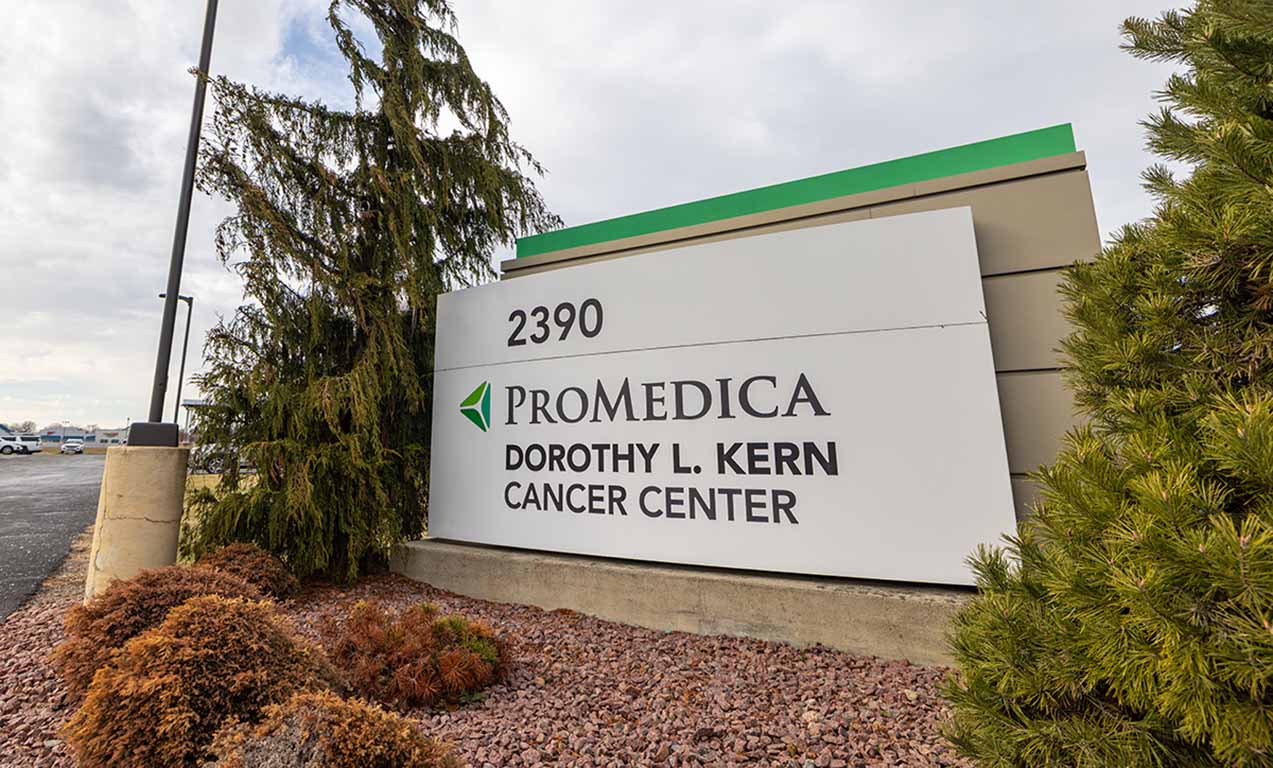
Fremont
Cancer Care
Welcome to ProMedica Dorothy L. Kern Cancer Center Fremont, Ohio. Get driving directions, hours of operation, learn about treatment and therapies and more.
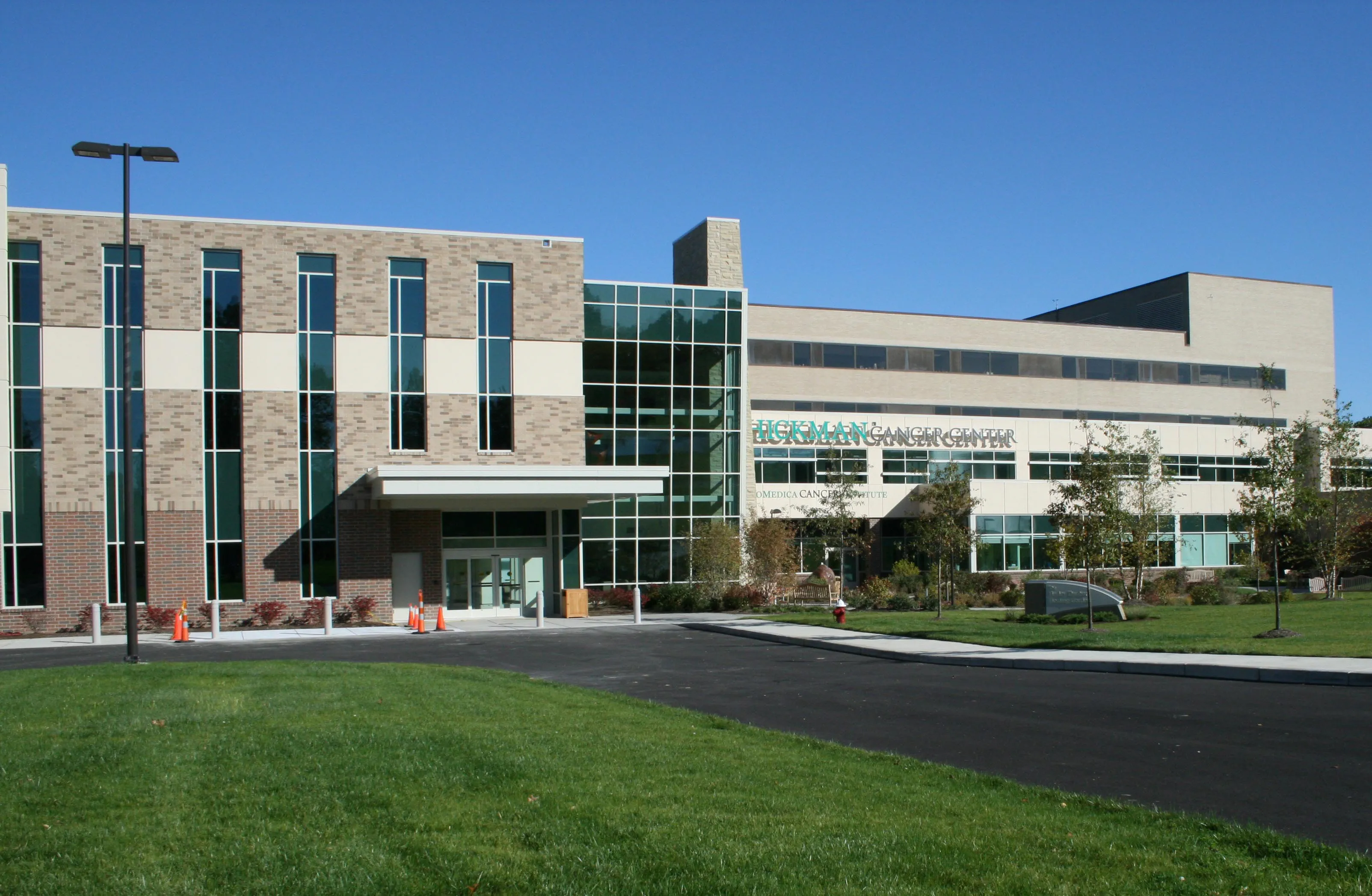
Sylvania
ProMedica Hickman Cancer Center
Discover what ProMedica Flower Hospital Hickman Cancer Center has to offer.
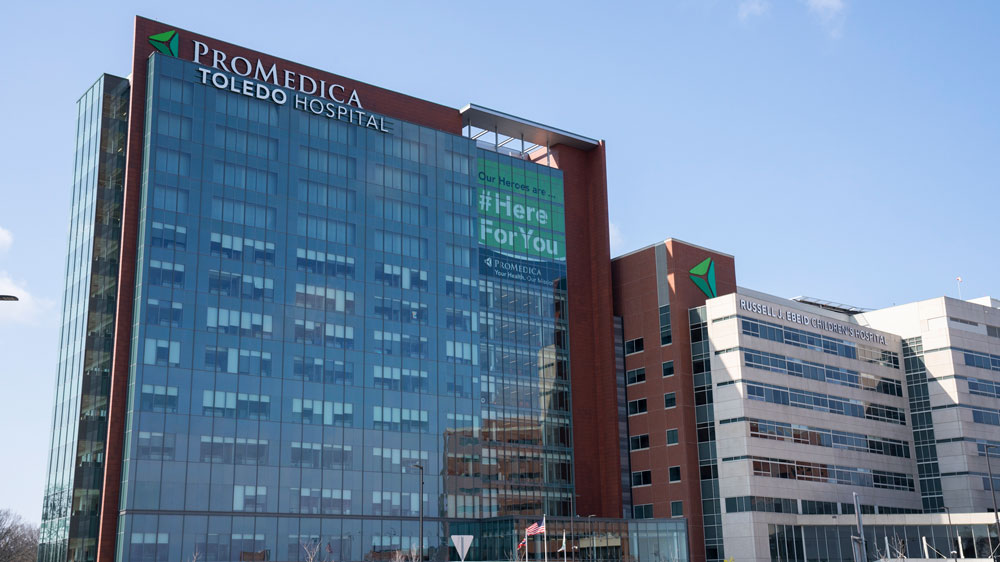
Toledo
Alan W. and Deborah J. Brass Children's Cancer Center
Discover what ProMedica Alan W. and Deborah J. Brass Children's Cancer Center has to offer.
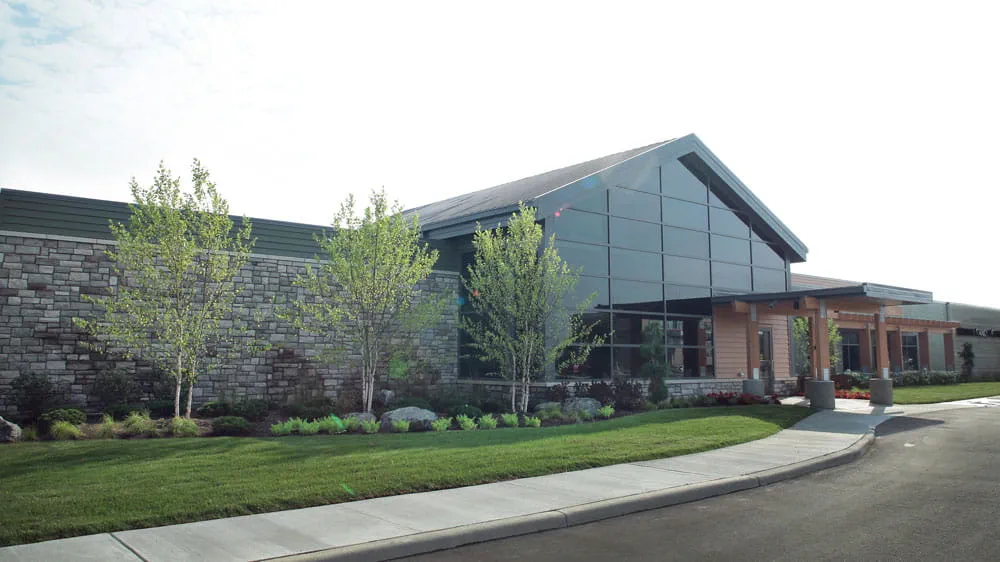
ProMedica Monroe Cancer Center
Welcome to ProMedica Monroe Cancer Center Monroe, Michigan. Get driving directions, hours of operation, learn about treatment and therapies and more.
Sylvania
ProMedica Cancer Institute High Risk Clinic
ProMedica Cancer Institute’s High Risk Clinic is dedicated to supporting people with a higher-than-average risk of developing certain cancers.
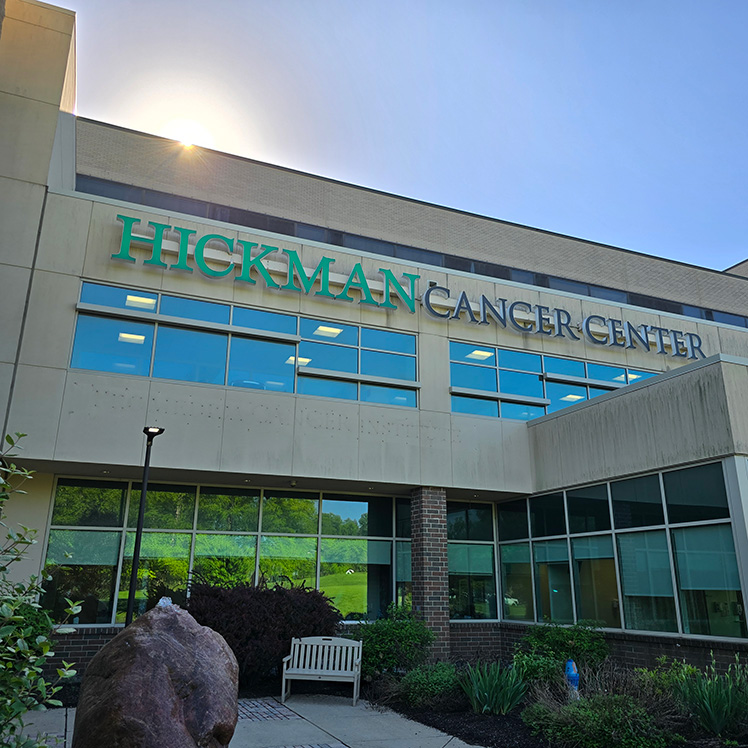
ProMedica Physicians Radiation Oncology
Click here to learn about the services we offer. Get driving directions, contact information, operating hours and more.
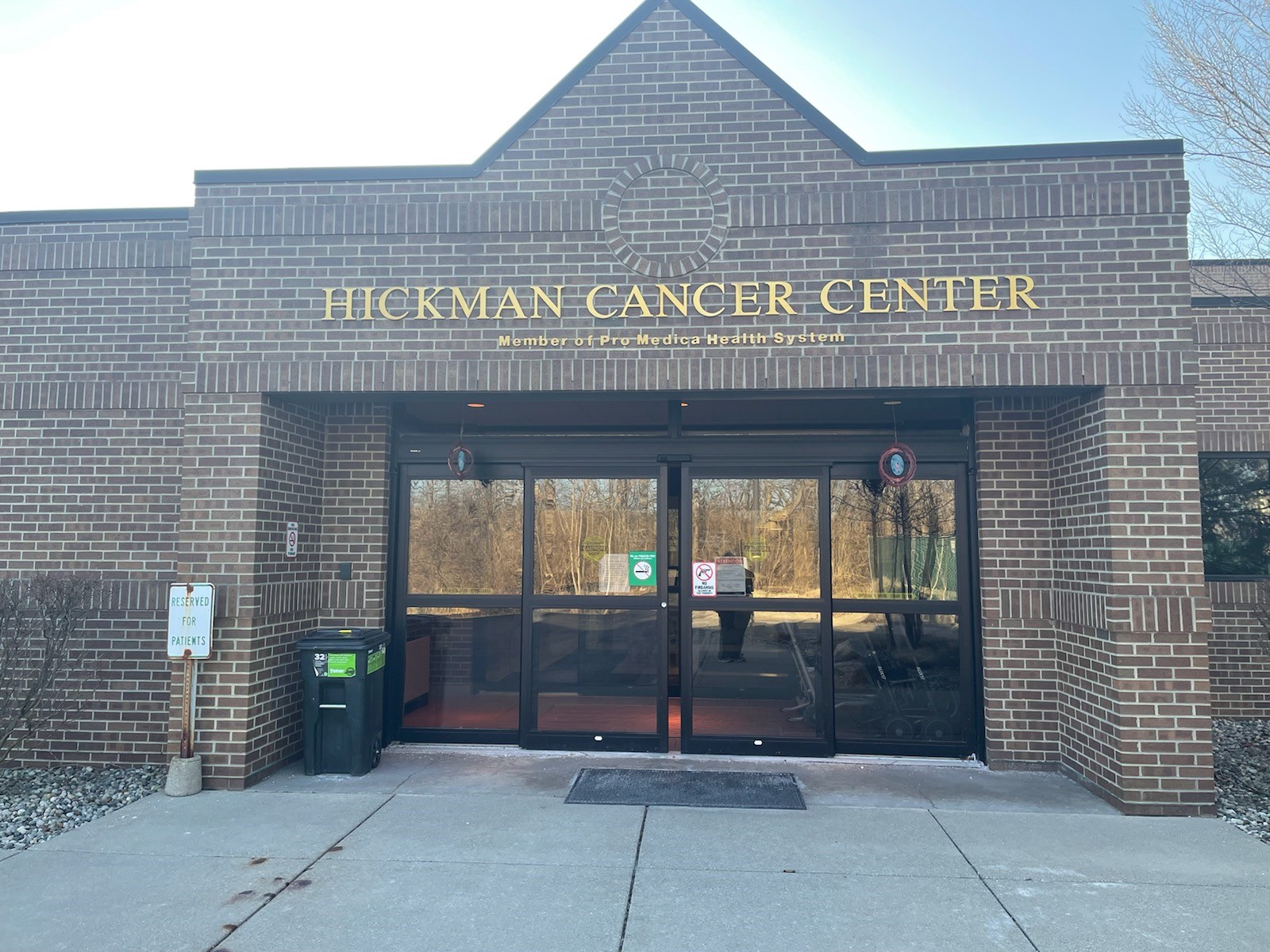
ProMedica Hickman Cancer Center - Adrian
Welcome to ProMedica Hickman Cancer Center Adrian, Michigan. Get driving directions, hours of operation, learn about treatment and therapies and more.
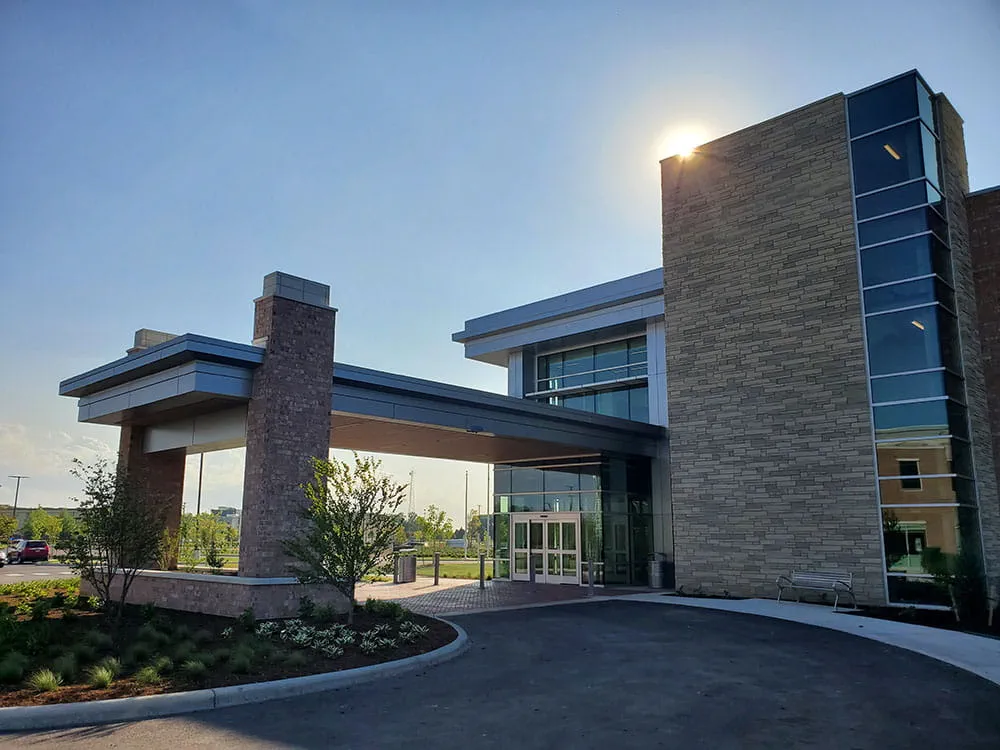
ProMedica Cancer Center at Levis Commons
At ProMedica Cancer Center at Levis Commons in Perrysburg, we are dedicated to providing the highest level of exceptional cancer care close to home.
Related News & Stories
No cards to display.
Related Services & Conditions
Exceptional Cancer Care - ProMedica Cancer Institute
As the largest cancer program in the region, ProMedica Cancer Institute provides the power of choice when it comes to cancer care.
Chemotherapy
Chemotherapy uses medications to treat cancer, keep it from spreading, slow growth or relieve symptoms. We're ready to help with a variety of chemotherapy options, including HIPEC, to treat your cancer.
Radiology
When you need diagnostic imaging to get a clearer picture of your health, we offer board-certified radiologists and state-of-the-art technology at 30 locations.
Healing Care
Cancer and its treatment are stressful for the patient and their family. ProMedica Cancer Institute’s Healing Care Program offers free therapies and classes to reduce stress and improve well-being. The program is…
Genetic Testing / Counseling
Some genetic mutations may raise your risk for cancer. Our genetic counselors are here to help you understand your genetics and your risks.
Cancer Rehabilitation
Live life to the fullest after cancer with support from our cancer rehab program. We're here to empower survivors to live better and stronger as you recover.
Survivorship Care Planning
You're never alone during your fight against cancer. Along with your personal network, we can connect you to support groups and community resources. We also have a whole team of counselors, social workers and other…
Cardio-oncology
Cancer treatment can be hard on your heart. ProMedica Cancer Institute's cardio-oncology program can help lessen the effects of radiation and chemotherapy on the heart.
Breast Tomosynthesis (3D Mammography)
Breast tomosynthesis offers a 3D image of the breast, allowing doctors to examine breast tissue layer by layer. This type of mammogram can spot abnormalities not visible in a 2D image.
Positron Emission Tomography
Our radiologists offer state-of-the-art PET scans to help doctors see organs and tissues in the brain, heart, lungs and breasts using a special dye.