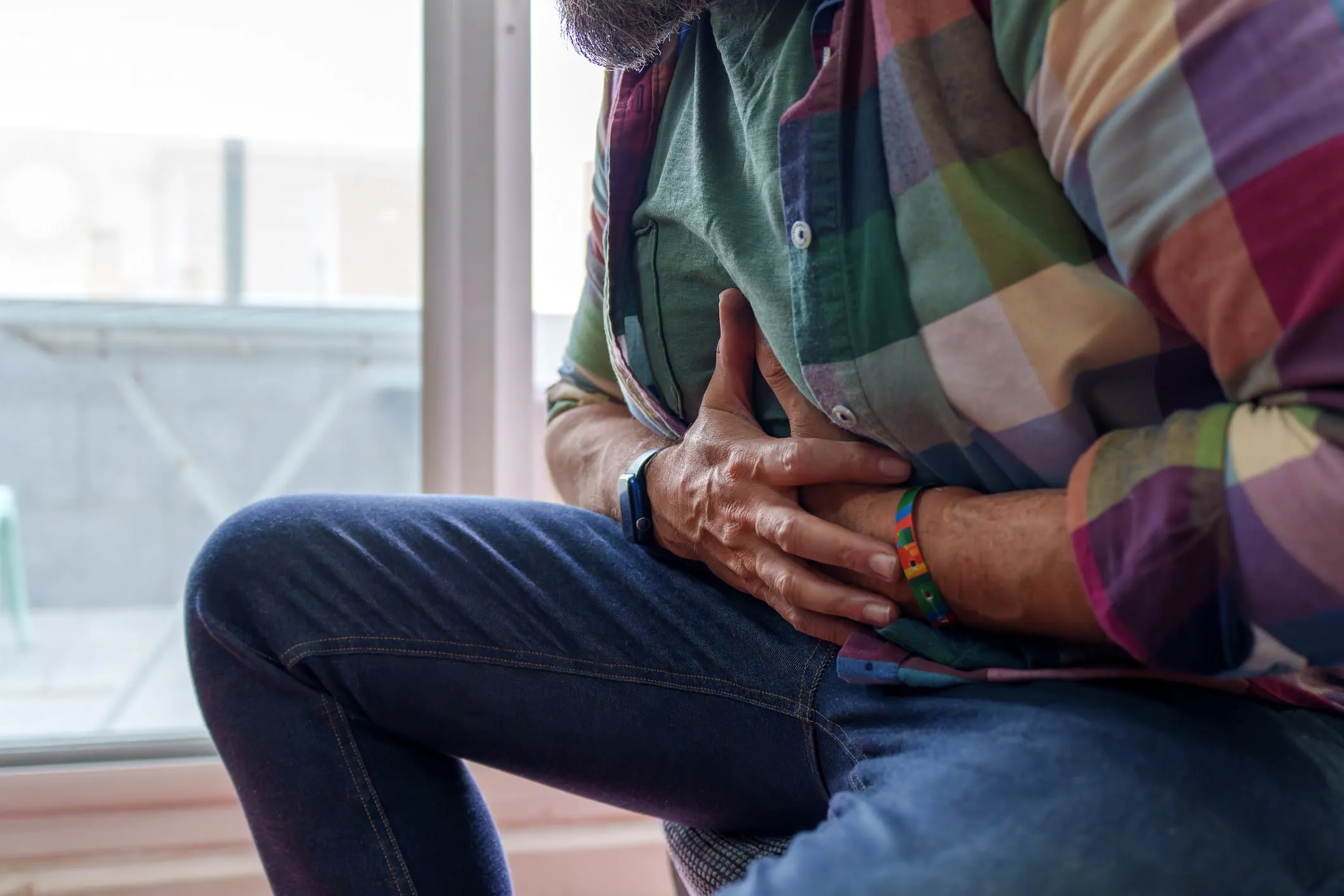
If you've ever experienced sharp pain in your upper abdomen after eating a greasy meal, your gallbladder might be trying to tell you something. Gallbladder disease affects hundreds of thousands of Americans each year, and for many, surgery becomes the best path forward.
Albert Tsang, MD, a general surgeon with ProMedica Physicians, explains gallbladder disease and when surgery is recommended.
The Purpose of the Gallbladder
"The gallbladder stores bile, which is produced by the liver," Dr. Tsang says. "When you eat, the gallbladder contracts and releases the bile to mix with the food. This bile helps your body digest fats.”
Even though the gallbladder serves a purpose, it can be beneficial to remove it when you develop gallbladder problems.
Symptoms of Gallbladder Disease
The most common reason for gallbladder surgery is having symptomatic gallstones. Individuals who have gallstones typically experience pain in their right upper abdomen. It can happen at any time but is often worse after eating a greasy meal. Other symptoms include nausea, vomiting, and pain that radiates to the right shoulder blade.
Gallstones can sometimes block the bile duct and cause jaundice. They can also contribute to pancreatitis, gallbladder infections and gallbladder dysfunction.
“Surgery is typically recommended when the gallbladder is creating health concerns or has symptomatic gallstones,” explains Dr. Tsang. “Removing the gallbladder is a straightforward procedure with few complications. It’s also remarkably common, being the second most common operation by general surgeons, after hernia repairs.”
Gallbladder disease tends to be more common in women around their 40s who have had multiple pregnancies. That’s because pregnancy is a risk factor for the development of gallstones.
According to Dr. Tsang, “About 11% to 13% of women will develop gallstones after pregnancy. Being pregnant makes it harder for the bile to flow, so it sits in the gallbladder, which can lead to gallstones.”
Having obesity is also a risk factor for gallbladder disease.
The Surgical Procedure
Today's gallbladder surgery looks dramatically different than it did even 20 years ago. "The vast majority of the gallbladders that we take out are removed with the assistance of a robotic surgical system,” Dr. Tsang says.
Robotic-assisted surgery offers several advantages over traditional minimally invasive techniques. Patients typically have a shorter hospital stay and an easier recovery.
For surgeons, robotic-assisted surgery means enhanced tools that offer detailed views and AI-integrated programs. Dr. Tsang explains, "We surgeons have more dexterity and more precision with these small robotic tools, 3D imaging and force feedback.”
"During the procedure, we free up the gallbladder, we put some clips across where the duct of the gallbladder is, and we can remove it through a few little incisions,” says Dr. Tsang.
The procedure is performed under general anesthesia. It involves four small incisions and takes about 30 minutes of actual operating time, though patients are in the operating room for about an hour to an hour and a half total.
While most gallbladder surgeries can be performed with the robotic system, infected gallbladders can be more challenging. Dr. Tsang notes that surgeons can typically identify infections ahead of time through persistent pain, fevers, and ultrasound findings.
Gallbladder Surgery Recovery
One of the most appealing aspects of modern gallbladder surgery is the quick recovery time. "Patients typically go home about an hour and a half after the procedure," Dr. Tsang says. "They're a little bit achy for a few days."
Dr. Tsang's post-operative instructions include no lifting more than 20 pounds for two weeks, showers starting the day after surgery, and following a low-fat diet initially. Eating fatty foods too soon can cause diarrhea in the days following surgery.
"The vast majority of patients recover very rapidly," Dr. Tsang says. "I would say they feel fairly normal within a couple of days." Patients with non-physical jobs can often return to work within just a couple of days.
Making the Decision About Surgery
Like any surgery, gallbladder removal carries some risks. Injuries to the bile duct is the most significant concern and occur in up to one in 800 patients.
Patient-specific factors also play a role in surgical decision-making. Heart disease, lung disease, and previous abdominal surgeries all factor into whether surgery is the right choice. For patients with only minor, infrequent symptoms, surgery may not be necessary.
Dr. Tsang emphasizes that the key is weighing the risks and benefits for each individual patient.
If you're experiencing symptoms of gallbladder disease, a conversation with your doctor is the first step. With advances in robotic-assisted surgery and faster recovery times, gallbladder surgery is a safe, routine procedure that can significantly improve quality of life.
Albert Tsang, MD
This article was reviewed and approved by Dr. Tsang for accuracy. Dr. Tsang is a general surgeon with ProMedica Physicians. View his profile or learn more about robotic surgery at ProMedica.
Subscribe to Our ProMedica Newsletter
Looking for inspiration on how to improve your health and well-being? Get trustworthy health news, wellness tips and inspirational patient stories delivered to your inbox twice a month with our free ProMedica newsletter.