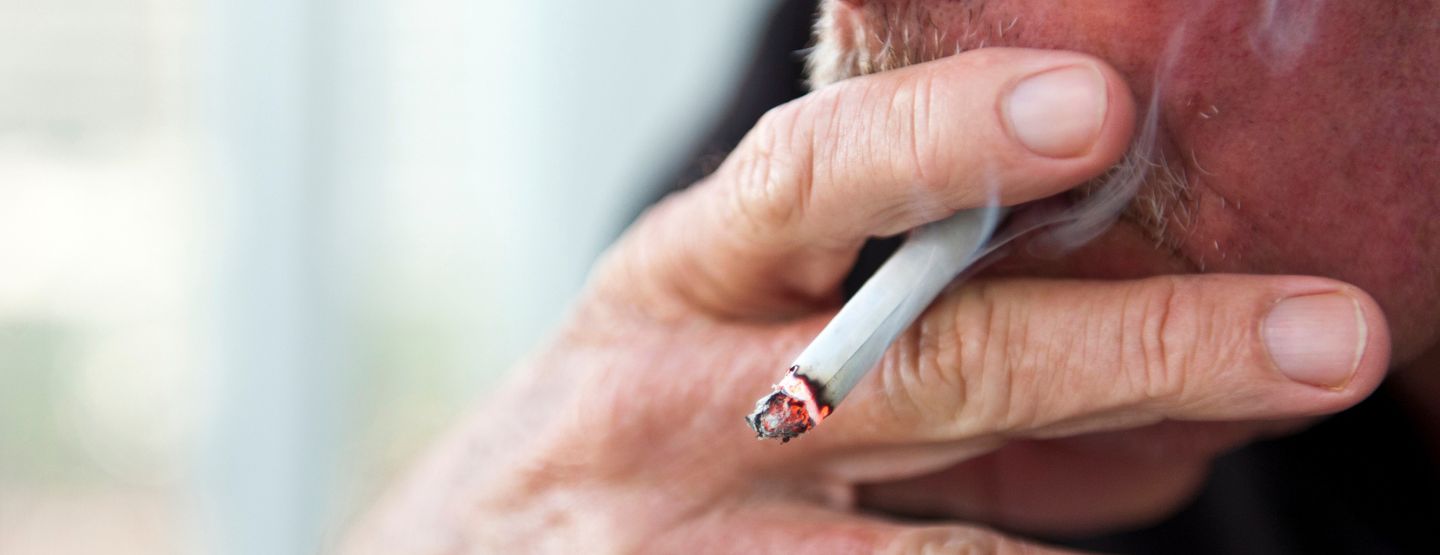
Lung cancer is strongly associated with cigarette smoking. In fact, smoking is linked to about 90% of all lung cancer cases. But smoking isn’t the only risk factor. Exposure to radon, exhaust and other gases can contribute to the disease. And if you smoke, the combination of smoking and radon can lead to an exponentially higher risk.
Radon’s Link to Lung Cancer
Radon is a natural, radioactive gas that occurs in the soil. It’s a byproduct of the breakdown of chemicals in the ground. Ohio is in the top 10 states in the country where there is a fair amount of radon in the environment.
Outside, the radon in the soil is dissipated in the environment. But inside, the odorless radon can accumulate and reach dangerous levels. For instance, basements with leaks or openings in the concrete above a radon source can develop high levels of radon.
Ronald Wainz, MD, a pulmonary medicine specialist with ProMedica Physicians, says, “Nationwide, about one in 16 homes may have high levels of radon. So it’s recommended that households in certain areas be checked for radon exposure.”
Like other carcinogens, radon can contribute to cancer from exposure over the course of decades. Most people who are exposed to radon will not develop cancer. However, it increases the risk of lung cancer, especially if you smoke.
If you’re moving or doing construction on your home, consider a radon test to evaluate your exposure. If the radon levels are high, you may be able to lower the exposure by sealing leaks or cracks or fixing your home foundation. Exposure can happen outside of the home, too, such as in places of work.
“There’s a higher risk of lung cancer in places where there is higher air pollution. It’s also higher for people in certain industries, such as oil refineries,” explains Dr. Wainz. “Lung cancer is largely linked to what is inhaled in your lungs. Jobs where you are continually exposed to nasty chemicals or byproducts of the soil can affect your risk.”
How Cancer Develops in the Lungs
The development of lung cancer isn’t fully understood, but having a family history of lung cancer and recurring inflammation play a part.
“Smoking and radon cause damage and inflammation to your lungs,” explains Dr. Wainz. “Repeated exposure to inflammatory processes can lead to cells behaving abnormally.”
Lung cancer is a cancer that develops over time from repeated exposure. It’s also a “silent” cancer with virtually no symptoms in its early stages. By the time symptoms do appear, the lung cancer has often developed into the third or fourth stage, leading to its higher mortality rate.
“Lung cancer is the leading cause of death from cancer in the world,” says Dr. Wainz. “About 130,000 people in the United States die per year from lung cancer. About 80-90% of those cases are smokers.”
Radon’s contribution to lung cancer is much, much lower. But Dr. Wainz explains that if you’re exposed to radon and you’re a smoker, your risk is even higher.
“Most people who are heavy smokers do not get lung cancer. There’s a link and it’s statistical, but it’s not definitive that it’s going to occur to you,” says Dr. Wainz. “If you smoke and you’re exposed to radon, your risk multiples. It increases by a factor of maybe five or 10.”
Radon is linked to about 3,000 cases of lung cancer deaths per year among nonsmokers. When you include smokers, the annual lung cancer deaths linked to radon reach 15,000 – 20,000.
Reducing Your Risk
Because smoking is such a significant risk factor for lung cancer, quitting smoking is the No. 1 action a person can take to reduce their risk for the disease.
“The risk for lung cancer decreases after you’ve quit smoking, although it will never be as low as a nonsmoker,” says Dr. Wainz.
If you smoke or have smoked, know that certain environmental factors, such as radon and asbestos, can contribute to a higher risk for lung cancer. And remember, early detection for lung cancer is key.
“Most people who smoke will not get lung cancer. Most people exposed to radon will not get lung cancer, but they are significant risk factors,” says Dr. Wainz. “Having awareness of this can lead to prevention and early detection of lung cancer.”
Programs like ProMedica’s lung cancer screening program can help detect lung cancer early. The screening includes a low-dose CT scan that takes less than 15 minutes. It’s also free for those who qualify.
Your doctor may recommend this lung cancer screening if you are 50-80 years old and:
- Currently smoke OR have quit smoking within the last 15 years AND have a 20 pack-year smoking history. (A 20 pack-year means you have smoked one pack per day for 20 years, or two packs a day for 10 years.)
- Smoked at least one pack of cigarettes a day for the past 30 years OR smoked at least two packs a day for 15 years.
Catching lung cancer early increases your chance for a cure. In stage one or two of cancer, there’s a 70-75% chance of cure. Once it develops into stage three or four, your chance for a cure is less than 50%.
With lung cancer, prevention and early detection is vital. If you have a history of smoking, talk with your doctor about your risk for lung cancer.
Subscribe to Our ProMedica Newsletter
Looking for inspiration on how to improve your health and well-being? Get trustworthy health news, wellness tips and inspirational patient stories delivered to your inbox twice a month with our free ProMedica newsletter.