We all know that eating right and exercising frequently can contribute to both weight loss and muscle growth. But did you know that supplements can be a valuable addition to your weight loss, fat loss or muscle growth journey?
Matthew Fourman, MD, FACS, FASMBS, a provider with ProMedica Weight Loss Surgery – Sylvania, shares suggestions to help you create a supplement routine to support your goals.
Things To Consider Before Starting a Supplement Routine
“Remember that dietary supplements don’t take the place of proper nutrition,” Dr. Fourman shares. “Taking the ‘food is medicine’ approach is always a good place to start.”
Once your diet is on track, you can look into ways to supplement what your diet may be lacking.
Talk to Your Doctor
Always talk to your doctor before starting any supplement and do your research on the supplement brand and ingredients. The Food and Drug Administration (FDA) has little regulation on vitamins and supplements. This means that what a supplement says it contains on its ingredient label may not be what’s inside.
Ask your physician to order labs on your vitamin and mineral levels so you know exactly what you should be taking. “You may be surprised to see what you’re deficient in,” Dr. Fourman shares. “A good supplement routine often starts with a high-quality multivitamin, vitamin D and fish oil. Work with your provider on a supplement routine that will improve your health.”
Be Picky with the Brand
“Be picky with what supplements you’re taking,” Dr. Fourman stresses. “Do your research on the brand. Look for transparency on where they’re sourcing their ingredients, and for third-party testing.”
If the ingredient list is long and includes things you can’t pronounce, you should look for a different brand.
Supplements To Focus on for Weight Loss and Muscle Gain
A lot of supplements are out there. Below, Dr. Fourman shares a few to focus on for weight loss and muscle growth.
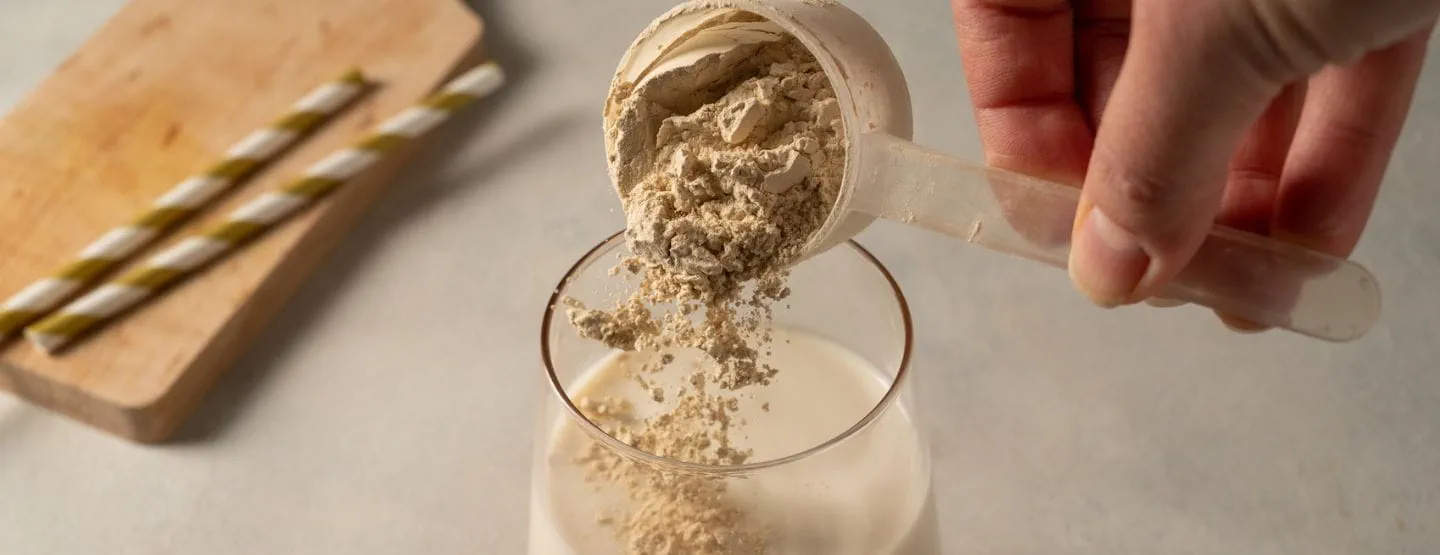
Protein
“Protein is the single most important macronutrient. It should be a staple of almost everyone’s diet,” Dr. Fourman shares.
He recommends 70 to 90g of protein as a minimum per day for most individuals.
“It can be hard to get enough protein in your diet alone. I recommend you supplement with a high-quality whey protein powder or protein shake,” Dr. Fourman shares. “Whey protein has the best amino acid profile for our body to efficiently convert and use it. If you don’t eat dairy, a high-quality soy or pea protein is also OK.”
While protein is most known for its role in building muscle tissue, it does much more. Getting enough protein is the best way to regulate your blood sugar and is a key factor in longevity.
“Protein is important even if you don’t want to build muscle. It will help you maintain skeletal function and mobility throughout your life,” Dr. Fourman shares.
Protein also helps you to feel satiated longer. This leads to less snacking and overeating at mealtimes.
Creatine Powder
Creatine is one of the most studied supplements and the studies show it is extremely safe.
Creatine plays an important role in muscle building. It can also have a positive impact on cognitive and vascular function.
Our body does not produce creatine on its own. Creatine is naturally found in red meats, but it can be difficult to get enough through diet alone.
“Most adults should be taking creatine daily,” Dr. Fourman shares. “Creatine can be a valuable tool for weight loss, muscle building and overall health.”
Look for a creatine supplement in the form of creatine monohydrate.
Pre-Workout Drinks
Pre-workout supplements or drinks can give you the extra energy boost you need to perform better and lift heavier at the gym. Pre-workout isn’t necessary, but they can be utilized depending on your goals.
Like any supplement, ingredients matter. They make stimulant and non-stimulant pre-workouts. Stimulant pre-workouts contain caffeine. Non-stimulant pre-workouts use other vitamins and minerals, such as amino acids, to give you that extra boost. Both caffeine and amino acids can help with performance and muscle recovery.
Your body can’t make nine amino acids on its own. You must get these amino acids through your diet: histidine, isoleucine, leucine, lysine, methionine, phenylalanine, threonine, tryptophan and valine. If you’re looking at a pre-workout that contains amino acids, these are the ones you should look for.
Dr. Fourman suggests finding a clean, minimal ingredient pre-workout with little to no caffeine.
As with all supplements, you should check with your physician before starting these.
Electrolyte Drinks
Electrolyte drinks can help replenish electrolytes after intense exercise or other activity that produces a lot of sweat.
Dr. Fourman recommends you read the ingredients carefully. “Look for minimal ingredients. Many electrolyte drinks contain a lot of sugar. When looking to lose weight, this is something we want to avoid.”
Greens Powders
If you can’t get enough greens in through your diet, taking a high-quality greens powder supplement can be good. “Greens contain phytochemicals and antioxidants that our bodies need to properly function,” Dr. Fourman shares.
Look for a greens powder that contains greens from good sources, and contains little to no sugar.
“Often to make greens powders palatable, they add a lot of sugar or artificial sweeteners. This is something we want to avoid,” Dr. Fourman shares.
Vitamins and supplements can play an important role in meeting your weight loss and muscle growth goals. Talk to your primary care provider about a supplement routine that’s right for you.
Matthew Fourman, MD, FACS, FASMBS
Dr. Fourman is a board-certified general surgeon with ProMedica Weight Loss Surgery – Sylvania. View his profile.
Subscribe to Our ProMedica Newsletter
Looking for inspiration on how to improve your health and well-being? Get trustworthy health news, wellness tips and inspirational patient stories delivered to your inbox twice a month with our free ProMedica newsletter.