ProMedica Jobst Aortic Care Network
The ProMedica Jobst Aortic Care Network is a medical and surgical program for the diagnosis, treatment and management of complex aortic diseases/disorders. We are proud to provide connected, comprehensive care to patients located across northwest Ohio and southeast Michigan.
Receive Connected, Comprehensive Care
If you have a known aneurysm, dissection or genetic disorder that may put you at risk for an aortic aneurysm or disorder, the ProMedica Jobst Aortic Care Network is here to support you.
The network brings together an interdisciplinary team of highly skilled experts including vascular and endovascular surgeons, cardiologists and cardiothoracic surgeons, critical care specialists, interventional and diagnostic radiologists, pathologists, genetic counselors and nurses. This team works together to provide innovative and personalized care for patients with aortic aneurysms and other aortic diseases and disorders. Our team is also here to support patients that have experienced previous heart or aortic procedures and need additional treatment.
Services offered through the network include:
- Assessment of clinical risk.
- Genetic and other disorders analysis and family screening.
- Advanced diagnosic imaging.
- When needed, endovascular and surgical options including minimally invasive robotic surgery.
Connect with our Jobst Aortic Care Network team at any of the 15 ProMedica Physicians Jobst Vascular locations throughout northwest Ohio and southeast Michigan.
Treatment of Aortic Diseases at ProMedica
Our highly trained specialists use advanced imaging, genetic analysis and the latest in surgical and minimally invasive techniques to diagnose and treat a range of aortic diseases and disorders, with the most common being aneurysms and dissections.
An aortic aneurysm is a bulge in a weakened area of the wall of the aorta, the main artery that carries oxygenated blood from the heart. It can occur in any part of the aorta and is classified by its location:
- Thoracic aortic aneurysms occur in the chest and can involve the aortic root, ascending aorta, aortic arch and the upper part of the descending aorta.
- Abdominal aortic aneurysms occur in the part of the descending aorta located in the abdomen.
Most aneurysms are not large or dangerous enough to require surgery, but some may tear or leak and cause life-threatening injury. In most cases, people with aortic aneurysms remain without symptoms, or asymptomatic, until an aortic event, like an aortic dissection or rupture, occurs.
When an aortic dissection or aortic rupture occurs, symptoms may include:
- Dizziness.
- Rapid heart rate.
- Low blood pressure.
- Sudden, severe pain in the abdomen, back or chest.
A ruptured or burst aneurysm can cause internal bleeding and is a medical emergency. Call 911 for immediate treatment.
Emergent Treatment of Aortic Aneurysm
An aortic dissection or rupture is considered a medical emergency and requires prompt action to prevent life-threatening complications.
Immediate surgical repair is often necessary. Depending on the unique needs of each patient, our experts repair the aorta with open-surgical techniques or via a catheter inserted through the groin. The damaged portion of the aorta is repaired and replaced with a synthetic graft.
Non-Emergent Treatment of Aortic Aneurysm
Your vascular surgeon will recommend specific tests and treatment based on the size of the aneurysm and how fast it's growing. Treatment may include:
- Medication: Blood pressure medications, cholesterol-lowering medications and/or aspirin may be recommended.
- Watchful waiting: Your doctor will monitor the aneurysm for changes that would require more aggressive treatment. Imaging exams would be performed about every six months to monitor the size of the aneurysm.
- Lifestyle modifications: Making positive changes to your diet and exercise habits, and quitting smoking if you smoke can help manage your condition and prevent further damage from happening. It's also important to monitor and manage your blood pressure and blood sugar, practice good oral hygiene and receive regular dental care.
- Stent-graft procedure: A metal and fabric tube is inserted into your aorta through a small cut to support it. This procedure is minimally invasive and typically has a short recovery time.
Conditions We Treat
The experts with ProMedica Jobst Aortic Care Network collaborate to treat the following conditions:
- Aortic dissection
- Aortic infection
- Aortic insufficiency
- Aortic intramural hematoma
- Aortic valve disease (including aortic valve regurgitation, or leaky valve)
- Aortic stenosis
- Aortbronchial fisula (ABF)
- Aortoenteric fistula (AEF)
- Bicuspid aortic disease
- Coarctation of the aorta (CoA)
- Ehlers-Danlos syndrome (EDS)
- Embolizing (shaggy) aorta
- Inflammatory aortic disease (aortitis)
- Loeys-Dietz syndrome (LDS)
- Marfan syndrome
- Penetrating aortic ulcer
- Takayasu arteritis
- Traumatic aortic transection (aortic rupture)
Diagnostic Tools
Our providers utilize the following tools to diagnose conditions and diseases of the aorta:
- Angiogram
- Coronary CT angiography
- CT angiography
- Duplex ultrasound
- Echocardiogram
- Genetic testing
- MRI/MRA
Surgical Treatments
The vascular surgeons with ProMedica Jobst Aortic Care Network may utilize the following procedures to surgically repair the aorta:
- Endovascular surgery
- Hybrid aortic repair
- Hypothermic circulatory arrest
- Minimally invasive open repair (TEVAR, EVAR, and FEVAR)
- Open aortic valve repair/surgery
- Transcatheter aortic valve replacement (TAVR)
Featured Locations
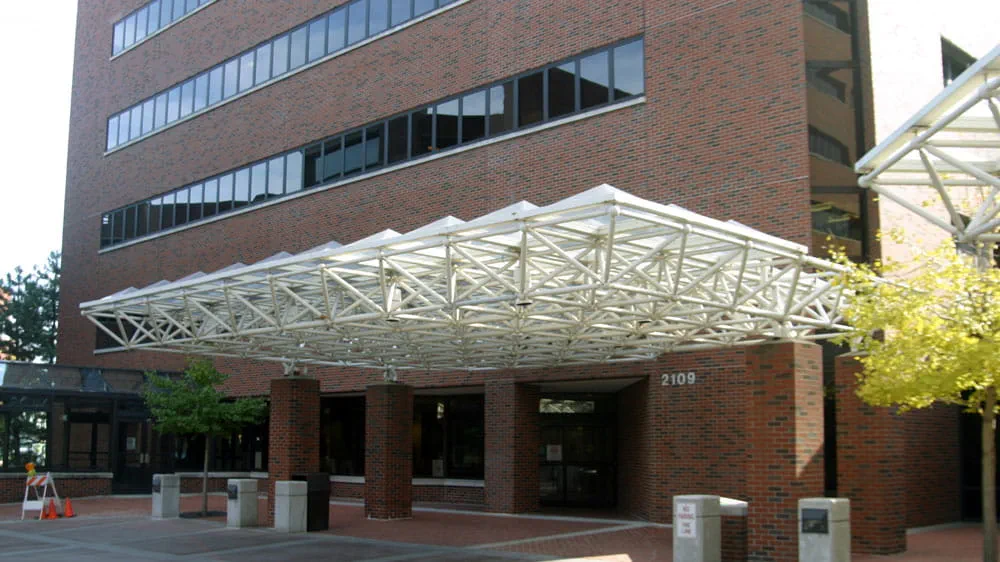
ProMedica Physicians Cardiothoracic Surgeons
Discover expert cardiothoracic care in northwest Ohio. Our board-certified surgeons offer advanced heart and lung treatments, from open-heart to minimally invasive procedures.
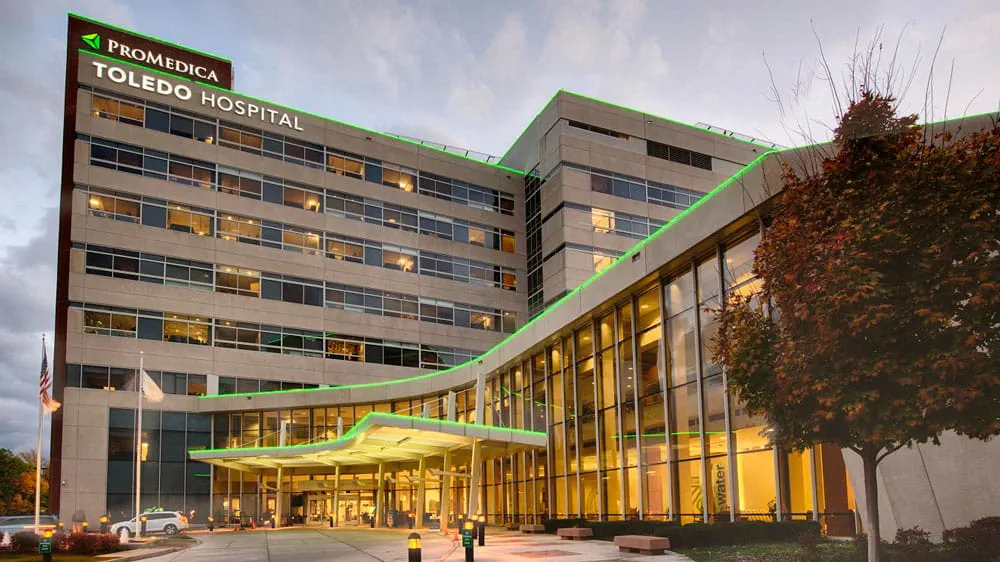
Toledo Hospital Surgery Center
Discover what ProMedica Toledo Hospital Surgery Center has to offer.
Related Services & Conditions
Heart Surgery
From minimally invasive to traditional open procedures, we offer a full range of surgical services for your heart condition.
Aortic Surgery
The aorta delivers oxygenated blood from the heart to the body. If it ruptures, a cardiothoracic team can help diagnose and treat aortic heart disease.