Bipolar disorder is a mental disorder that causes identifiable and sometimes intense changes in mood and energy level. Someone with bipolar disorder may experience periods of high energy (manic periods) followed by periods of depression or lethargy (depressive periods). The exact cause is unknown, but research suggests that it is hereditary, as it often runs in families. Studies are still underway to try to identify which gene (or genes) may be responsible.
Signs of Bipolar Disorder
Someone with bipolar disorder will experience both manic and depressive symptoms to a varying degree.
Manic symptoms
Manic symptoms may include:
- An overly inflated sense of self-esteem.
- Not needing as much rest or sleep.
- Being distracted and irritable.
- Excessive involvement in high-risk and/or pleasurable activities, such as sexual promiscuity, reckless driving, reckless spending or substance abuse.
- Enhanced talkativeness.
- Appearing to have excessive "high" or euphoric feelings, grandiose at times.
- Unpredictable changes in mood, from happy or silly to anger or agitation.
- An increased sex drive.
- An increased energy level.
- Uncharacteristic poor judgment.
Depressive symptoms
Depressive symptoms may include:
- Difficulty with relationships.
- Excessive guilt.
- Hopelessness.
- Extreme sensitivity to failure or rejection.
- An inability to concentrate.
- A lack in energy.
- A lack of interest in activities once enjoyed.
- Persistent sadness.
- Irritability, hostility or aggression.
- Feelings of wanting to die, thinking about or attempting suicide.
- Changes in appetite or weight.
- Signs of low self-esteem.
- Too much or very little sleep.
If you think you may have bipolar disorder, talk to your primary care doctor. After ruling out other conditions through a physical exam, they can help you find a psychiatrist, psychologist or other behavioral health specialist with experience in treating bipolar disorder.
Bipolar Disorder in Children and Adolescents
Bipolar disorder is a condition with alternating sets of symptoms. During certain periods of time, the individual may act extremely happy, elated, or very irritable (manic symptoms). During the alternate periods of time they will exhibit symptoms of major depression.
When symptoms are present before age 12, they are sometimes confused with attention-deficit/hyperactivity disorder (ADHD). However, advances continue to be made in recognizing bipolar disorder in younger children.
If you believe your child has bipolar disorder, contact your pediatrician or family doctor to set up an appointment for evaluation. If further assessment is needed, your doctor may recommend evaluation by a licensed behavioral health professional. Bipolar disorder can be effectively treated, usually with a combination of therapy and medication.
Featured Locations
ProMedica Psychiatric Services
Click here to learn about the services we offer. Get driving directions, contact information, operating hours and more.
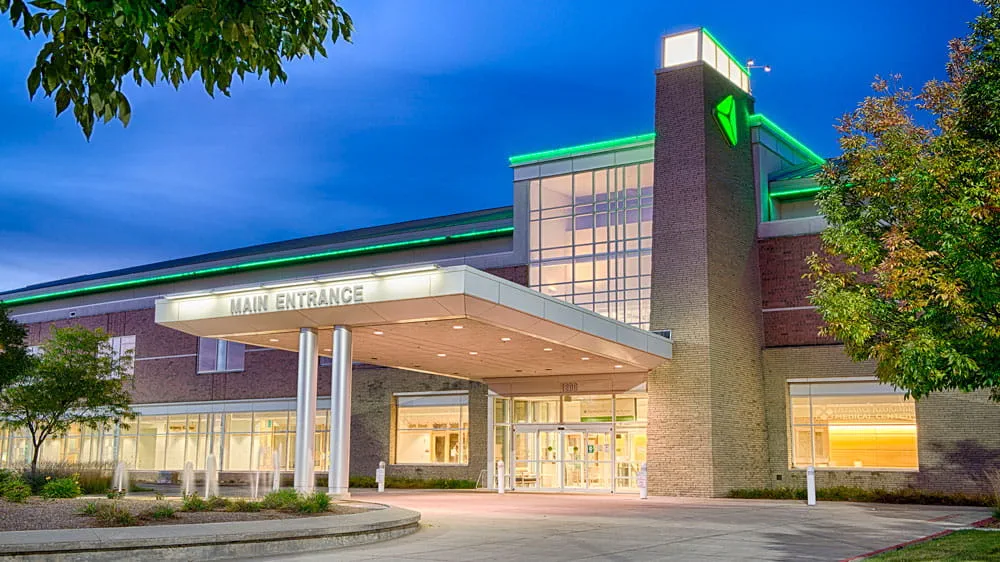
Defiance
Coping Center - Adult Inpatient Psychiatric Services
Discover what ProMedica Defiance Regional Hospital Coping Center has to offer. Read FAQs and register.
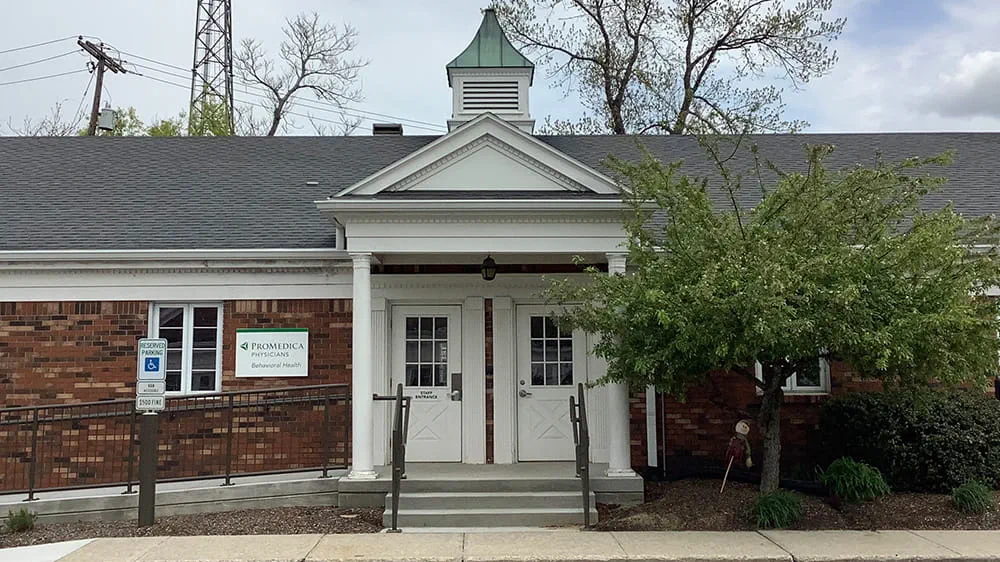
ProMedica Physicians Behavioral Health - Sylvania
Click here to learn about the services we offer. Get driving directions, contact information, operating hours and more.
Related Services & Conditions
Behavioral Health
With private, compassionate psychiatric and counseling services, we'll help you take control of your mental health and improve your wellbeing.