What is breast MRI?
Breast MRI is a sophisticated MRI technology that uses a computer, magnetic field and radio waves instead of X-rays to produce images of your breast tissue.
An MRI doesn't replace mammography, but is a powerful imaging test used to provide additional information about your breast health. Annual screening mammography is the best way to find small changes in breast tissue, which can help detect breast cancer early. Typically, the earlier breast cancer is found, the easier it is to treat.
When is breast MRI used?
Breast MRI is available to patients who have a high risk for breast cancer. It is also used for women with dense breast tissue, breast augmentation or those with symptoms that need more evaluation.
In addition to breast cancer screenings, breast MRI can be used for various conditions and situations. It may be used to:
- Determine cancer's extent
- Get a clearer picture when mammograms show uncertain findings
- Evaluate patients with positive surgical margins for residual cancer
- Monitor cancer therapy
- Detect occult cancer
- Characterize lesions
- Evaluate the condition of breast implants
What should I expect with a breast MRI?
Before your breast MRI, you will be asked to change into a gown and remove all metal objects.
During a breast MRI, you will lay on your stomach with your breasts positioned into two openings. If your MRI is contrast-enhanced, a contrast will be administered to you through IV. This helps the radiology team get clearer images of your breast tissue.
Once you're ready, the bed will slide into the MRI machine for imaging. The machine will make a series of loud noises and take multiple types of images to allow the radiologist to see details and characteristics of the breast tissue. Most imaging can be taken in 10-15 minutes.
Who reads my breast MRI images?
Breast MRIs at ProMedica facilities are read by our dedicated breast radiologists. These experts are board-certified, fellowship-trained and dedicated to reading the results of breast imaging.
Once your imaging has been read, the results will be sent to your provider, who will contact you regarding your results.
Where is breast MRI available?
Breast MRI is available at:
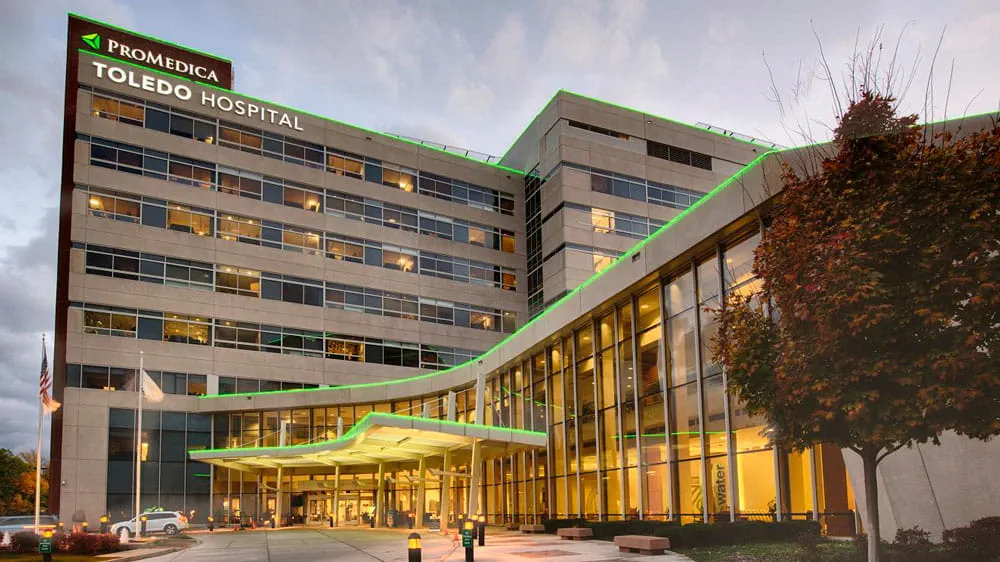
- ProMedica Toledo Hospital, Breast Care Center
- ProMedica Flower Hospital
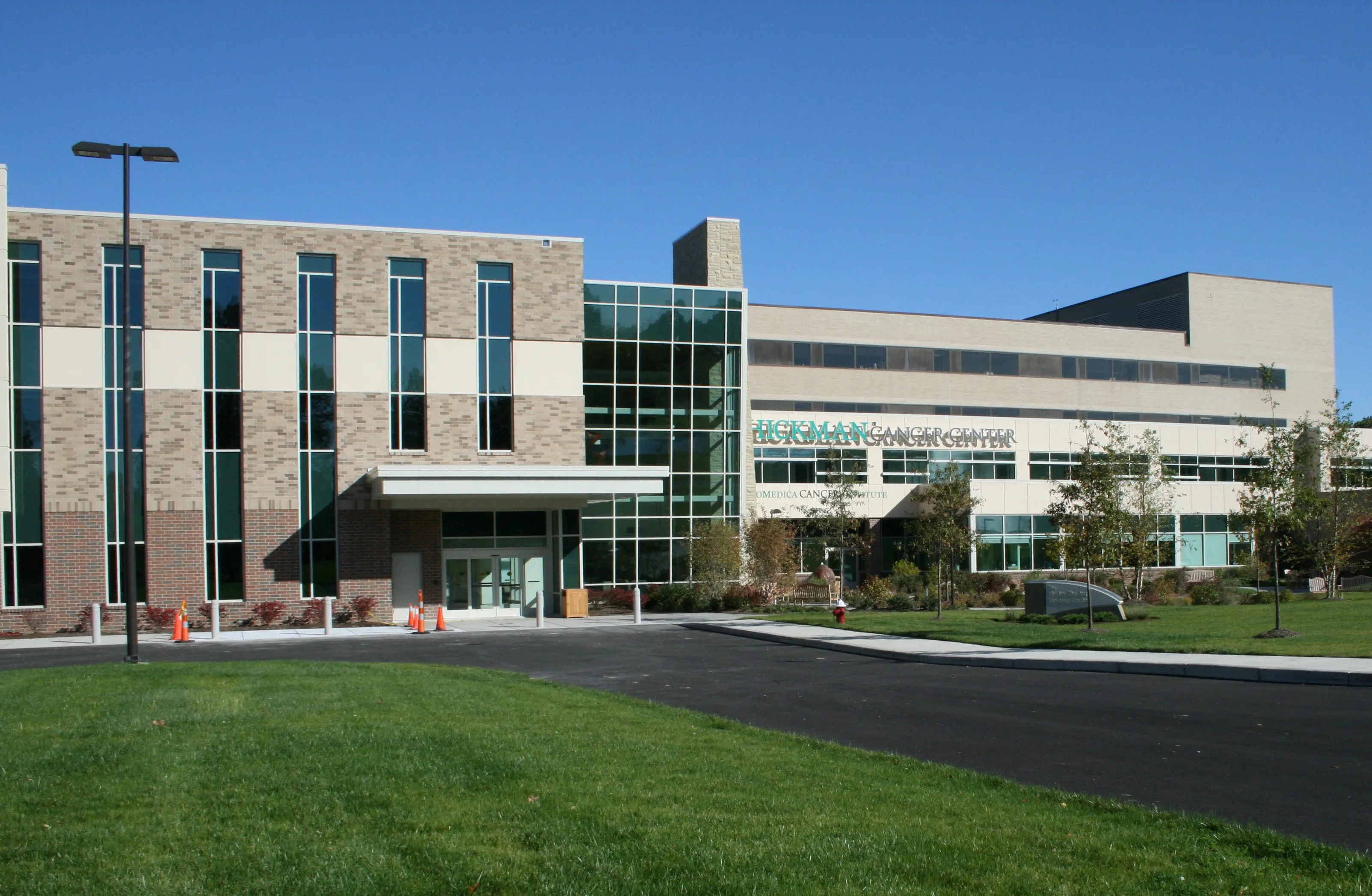
- ProMedica Charles and Virginia Hickman Hospital
- ProMedica Memorial Hospital
- ProMedica Monroe Hospital
What is a breast coil?
A breast MRI may include the use of a breast coil. Similar to a small antenna, it helps direct the signal output to a smaller area of interest to generate clearer pictures. Without a breast coil, the MRI images would be of the whole chest with less detail of the breast tissue.
Featured Locations
ProMedica Physicians Breast Surgery
Click here to learn about the services we offer. Get driving directions, contact information, operating hours and more.
Related Services & Conditions
Breast Biopsy
Typically, for a breast biopsy, your doctor needs a small breast tissue sample that's removed with a special biopsy needle. But ProMedica offers a less invasive image-guided option.
Breast Cancer
Count on a team that's recognized as the region's leading experts in breast cancer care for the most current research, advanced technology and best possible outcomes.
Women's Health
From breast care and gynecologic services to midlife care and pelvic health, we're passionate about women's health and are here for every stage of your life.
Molecular Breast Imaging
Some women have dense breast tissue. That's why our women's health experts offer molecular breast imaging (MBI) to get a more accurate reading.