Breast cancer is the second most common cancer diagnosed in women in the United States. Fortunately, more women than ever are seeking diagnosis and treatment.
Still, it's never easy to be diagnosed with breast cancer. If you or your doctor find something suspicious in your breast, you may feel overwhelmed. And the journey ahead can seem uncertain. With ProMedica Cancer Institute, you'll find encouragement and assurance every step of the way.
Our teams are recognized as the region's leading experts in breast cancer care. They also have access to the most current research and technology in the field. We understand this common cancer can feel like it's upending your life, but you can be confident you're moving forward to the best possible outcome.
Our Approach
The ProMedica Cancer Institute is home to state-of-the-art diagnostics, technology, treatments and services for breast cancer care. As a patient with us, you'll have access to leading-edge care.
Accredited, Exceptional Care
Our breast cancer center is accredited by The American College of Surgeons' National Accreditation Program for Breast Centers (NAPBC). This makes us part of a group of national, professional organizations that are focused on breast health.
We received this accreditation because we're dedicated to improving quality outcomes for patients with breast disease. To do that, we use evidence-based standards and patient and professional education.
Personalized Treatment Plans
Research suggests that personal attention may improve patient outcomes in cancer care. At ProMedica, we try to make sure you have the same patient navigator coordinate your care from start to finish. We're by your side from diagnosis through treatment with patient education and compassionate support. You can expect personal care every step of the way.
Breast Cancer Signs & Screenings
Risk Factors
Understanding why you may be at risk for breast cancer can help you spot any early warning signs you should discuss with your doctor.
All women should see themselves as having some level of risk for breast cancer. However, if any of the following risk factors also apply to you, your doctor may recommend that you have mammograms earlier or more often:
- Increased age
- Obesity
- Personal or a family history of breast cancer
- Prior radiation treatment to the chest
- Tobacco or alcohol use, or both
Breast Cancer Signs
Often, the first sign of breast cancer is a lump or a change in the feel of the breast. But there are other symptoms that may alert your doctor to possible breast cancer and the need for a mammogram. These include:
- Changes in the nipple
- Itchy or irritated breast
- Nipple discharge
- Pain in the breast
- Redness or color changes in the breast
- Swelling of the breast
Detecting cancer early can increase your chances for recovery and may even save your life. Speak with your doctor right away if you notice any unusual changes in your breasts.
Breast Exams
There are three levels of breast cancer detection. These include breast self-exams, clinical breast exams and mammograms. Your doctor will recommend the exams that are right for you, based on your age and risk factors.
Breast Self-Exams
A breast self-exam is a check-up you can do at home to look for changes or problems in the breast tissue. Your doctor may recommend that you include a monthly self-exam as part of your wellness routine. If so, your doctor will give you instructions on how to do a breast self-exam.
Clinical Breast Exams
Starting in your 20s and 30s, your doctor will include a clinical breast exam as part of your regular well-woman visit. The exam will be done at least every three years.
Mammograms
Mammograms can find a change in your breasts before you can feel it. That's why ProMedica recommends that you receive a baseline mammogram at 35 years old (25 years old if your mother had breast cancer before the age of 35), then annually beginning at 40 years old.
How To Schedule Your Mammogram
We believe it shouldn't be hard for you to schedule preventive and diagnostic testing. That's why we offer just one number to call to schedule a mammogram at any of our convenient locations throughout northwest Ohio and southeast Michigan. Our schedulers can help you find a convenient time and location. All you have to do is:
- Receive an order from your doctor. If your doctor is a ProMedica Physician, you can find this order in your MyChart account.
- Call ProMedica Central Scheduling at 419-291-3000 or 800-479-8805 to schedule. Or, login to your MyChart account to schedule your mammogram.
Diagnosis
If a mammogram finds something suspicious in your breast, the next step is diagnostic testing. At ProMedica Breast Care and our locations across the ProMedica system, we offer specialized diagnostic tests. They're given by caring experts in breast cancer and women's health.
Based on your unique condition and screening results, the needed diagnostic tests may include:
- Breast tomosynthesis
- Breast ultrasound
- Dedicated breast MRI scanning
- Digital mammograms
- Image-guided breast biopsies (ultrasound, MRI or stereotactic)
- Magnetic seed localization
- Molecular breast imaging scanning
Breasts have many layers of glandular and fatty tissue. Because of that, sometimes we need to combine several tests to get a complete picture of your breast health.
The screening process can seem confusing and cause anxiety for many women. We strive to guide you through the screening process as quickly and easily as possible. If your exam is diagnostic, we may offer an ultrasound or biopsy that same day if needed to speed up the process of getting a diagnosis. MRIs and MBIs will likely be scheduled out as they must coincide with your menstrual cycle. Here are the screening steps you might expect when you come to ProMedica for breast care:
Breast Cancer Treatment
Breast cancer treatment is different for every person. Accredited and nationally recognized, the ProMedica Cancer Institute is the largest cancer registry in the region. This means our highly trained and credentialed providers can make sure your care plan includes personalized and exceptional care at a location that's close to home.
Multidisciplinary Teams
ProMedica's breast cancer team is made up of multidisciplinary cancer professionals including medical, radiation and surgical oncologists. They deliver state-of-the-art care including:
- Clinical trials
- Genetic testing and counseling
- Healing care
- Nurse navigator services
- Medicine management counseling
- Precision radiation therapy
- Rehabilitation services
- Survivorship program
Individualized Plans
Your breast cancer care plan may include more than one type of treatment. Your ProMedica providers take into account the stage and type of your breast cancer, its location in your breast, your risk factors and whether it has spread to other parts of the body. Then they will recommend a course of treatments that may be used separately or together in your care plan.
Chemotherapy
Chemotherapy for breast cancer treatment may be given before or after surgery, and also when breast cancer has spread to other areas of the body. It is given through an IV.
Biotherapy (or Immunology)
Biotherapy, also referred to as immunotherapy, uses your own body's immune system to help fight the cancer.
Hormone Therapy
Hormone therapy blocks hormones that are causing the breast cancer to grow. It's used for hormone receptor positive breast cancers.
Radiation
Radiation therapy for breast cancer uses high energy X-rays to shrink and kill cancer cells. It's usually given after surgery or chemotherapy to reduce the risk of the cancer coming back.
Surgery
Surgical treatment is used to remove the cancer and possibly the lymph nodes and healthy tissue around the cancer. Types of surgical treatments for breast cancer include lumpectomy and mastectomy.
If desired, breast reconstruction is then completed by our board-certified reconstructive surgeons. Our team offers a variety of innovative reconstruction methods including breast implants and tissue flap procedures including DIEP flap. Ask your surgeon if robotic-assisted reconstructive surgery is right for you. Benefits of robotic surgery include minimal scarring, less blood loss and less pain.
Surgeons Dedicated to Breast Oncology
ProMedica Cancer Institute is home to physicians who are specialty trained to provide breast cancer surgery care.
Jessica Burns, MD and Jennifer Kulick, MD, FACS are specialty trained surgeons in breast oncology. They provide patients with high-quality care and the latest breast surgery techniques. This includes breast conservation surgery and oncoplastic techniques, as well as nipple-sparing mastectomy.
Care Coordination and Nurse Navigators
We know cancer treatment can feel overwhelming. We want you to focus on getting better, not trying to keep tests, treatment and doctors straight. A member of your ProMedica Cancer Institute care team or a personal nurse navigator will guide you and your caregiver through every step of treatment, including:
- Working side-by-side with you to ensure compassionate, supportive and individualized care
- Scheduling/coordinating appointments and helping to reduce the amount of time from diagnosis to treatment
- Providing education and support to you and your family
- Facilitating/coordinating care provided by an interdisciplinary team of physicians, including medical, surgical and radiation oncology consults
- Working on behalf of you and your family to remove possible obstacles to care, including insurance issues, medication assistance or lack of transportation
- Communicating with your physician and helping to communicate the physician's plan of care
Featured Locations

ProMedica Memorial Hospital Orthopaedics
Welcome to ProMedica Memorial Hospital Orthopaedics. Get driving directions, hours of operation, learn about treatment and therapies and more.
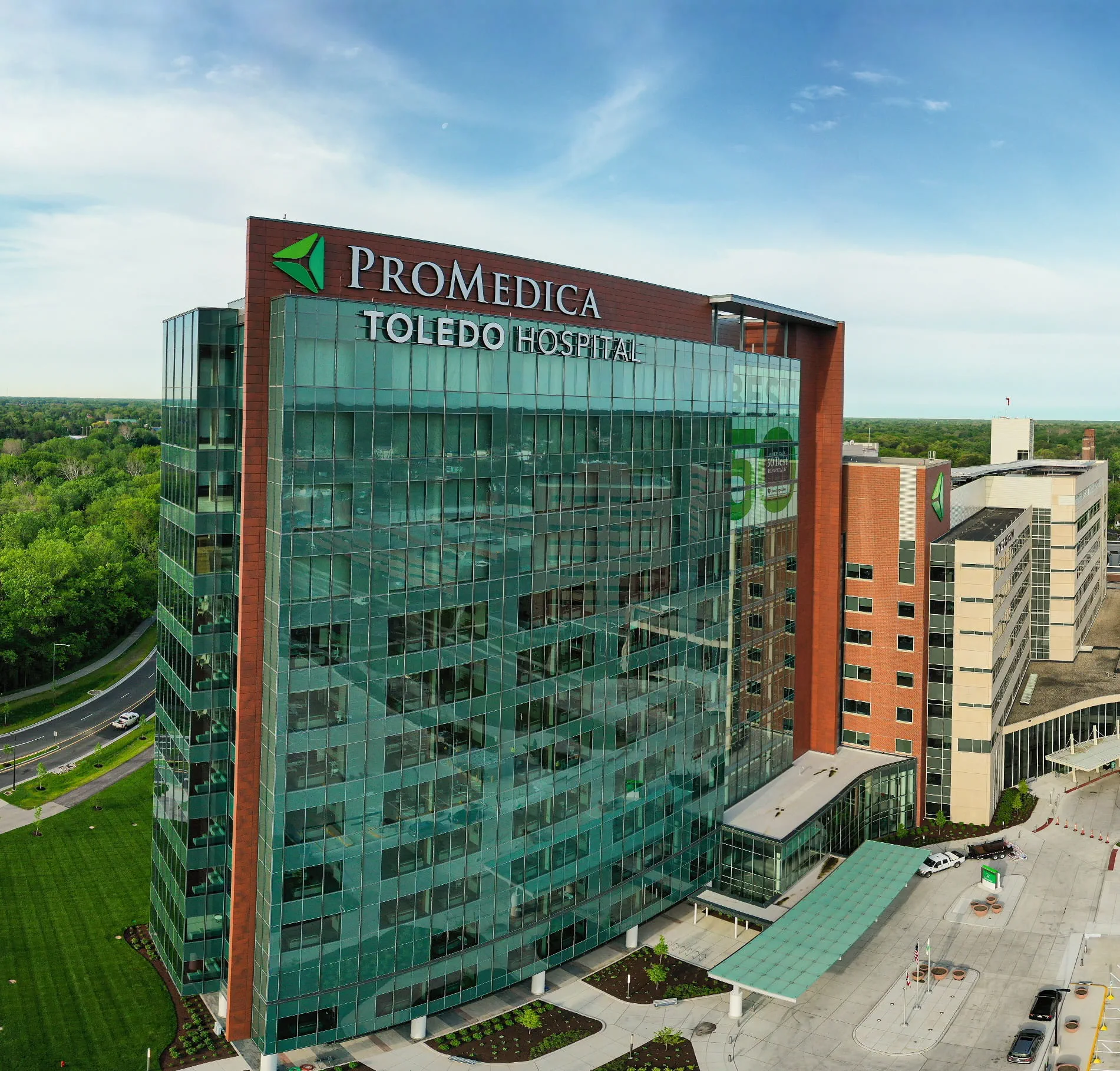
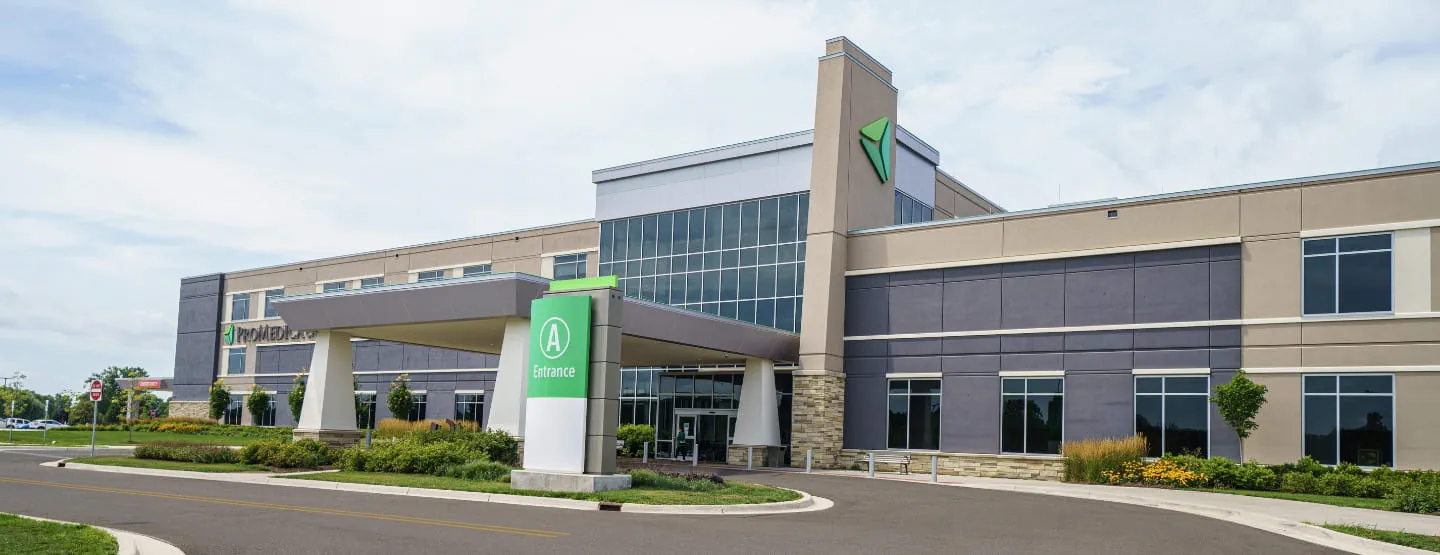
Adrian
Chemotherapy and Infusion Services
Discover what ProMedica Hickman Infusion Center has to offer.

Oregon
ProMedica Bay Park Hospital Cancer Care
Discover what ProMedica Bay Park Hospital Cancer Center has to offer.
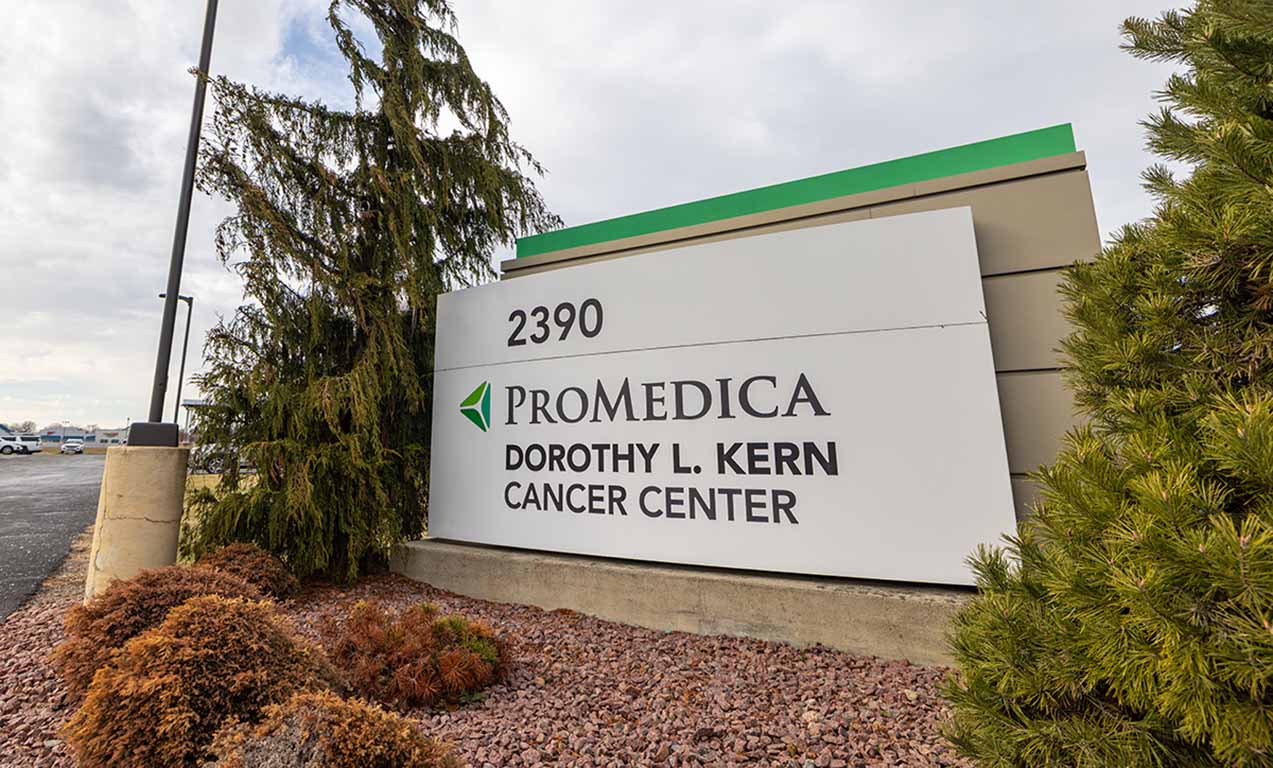
Fremont
Cancer Care
Welcome to ProMedica Dorothy L. Kern Cancer Center Fremont, Ohio. Get driving directions, hours of operation, learn about treatment and therapies and more.
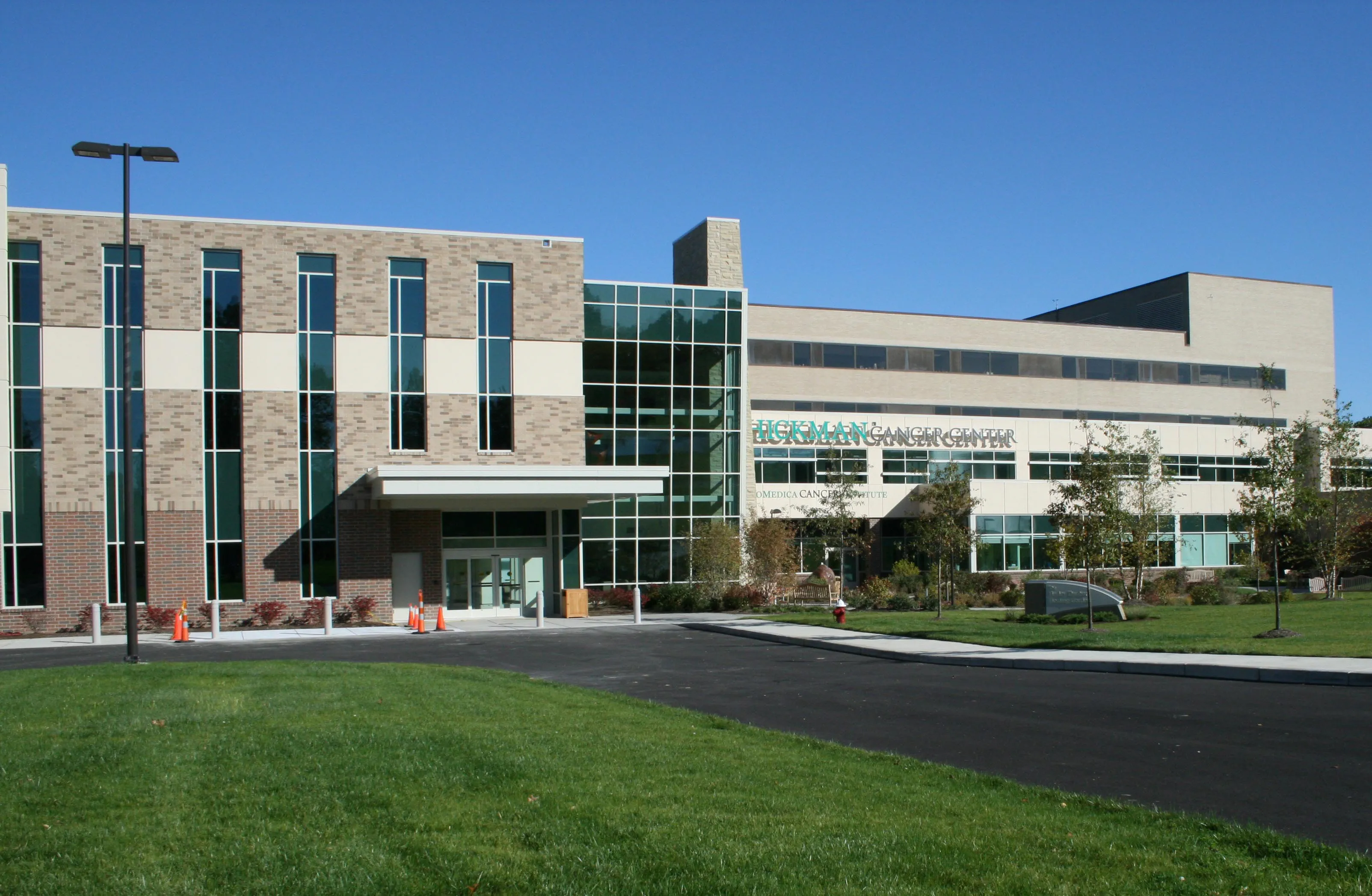
Sylvania
ProMedica Hickman Cancer Center
Discover what ProMedica Flower Hospital Hickman Cancer Center has to offer.

Fostoria
Cancer Care
Discover what ProMedica Fostoria Community Hospital Canter Care has to offer.
Toledo
Alan W. and Deborah J. Brass Children's Cancer Center
Discover what ProMedica Alan W. and Deborah J. Brass Children's Cancer Center has to offer.

Defiance
ProMedica Defiance Regional Hospital Cancer Center
Discover what ProMedica Defiance Regional Hospital Cancer Center has to offer.
Monroe
Cancer and Infusion Services
Discover what ProMedica Monroe Regional Hospital Cancer and Infusion Services has to offer.
ProMedica Monroe Cancer Center
Welcome to ProMedica Monroe Cancer Center Monroe, Michigan. Get driving directions, hours of operation, learn about treatment and therapies and more.
Sylvania
ProMedica Cancer Institute High Risk Clinic
ProMedica Cancer Institute’s High Risk Clinic is dedicated to supporting people with a higher-than-average risk of developing certain cancers.
Related Services & Conditions
ProMedica Cancer Institute
At ProMedica Cancer Institute, we've diagnosed and treated more patients than any other cancer care group in the region. Our comprehensive team is here to connect you to innovative treatments and support services, so…
Mammography
Early detection is the key to breast health. That's why we offer state-of-the-art digital mammography to give a clearer picture during your screenings.
Breast Biopsy
Typically, for a breast biopsy, your doctor needs a small breast tissue sample that's removed with a special biopsy needle. But ProMedica offers a less invasive image-guided option.
Breast MRI
When paired with a traditional mammogram, a breast MRI can help your doctor gain a better understanding of your breast health.
Molecular Breast Imaging
Some women have dense breast tissue. That's why our women's health experts offer molecular breast imaging (MBI) to get a more accurate reading.
Genetic Testing / Counseling
Some genetic mutations may raise your risk for cancer. Our genetic counselors are here to help you understand your genetics and your risks.
Healing Care
Cancer and its treatment are stressful for the patient and their family. ProMedica Cancer Institute’s Healing Care Program offers free therapies and classes to reduce stress and improve well-being. The program is…
Cancer Support and Survivorship
You don't have to face the challenges of cancer alone. We're here to help you with the physical and emotional changes, during and after treatment.
Cardio-oncology
Cancer treatment can be hard on your heart. ProMedica Cancer Institute's cardio-oncology program can help lessen the effects of radiation and chemotherapy on the heart.
Cancer Rehabilitation
Live life to the fullest after cancer with support from our cancer rehab program. We're here to empower survivors to live better and stronger as you recover.
Chemotherapy
Chemotherapy uses medications to treat cancer, keep it from spreading, slow growth or relieve symptoms. We're ready to help with a variety of chemotherapy options, including HIPEC, to treat your cancer.
Radiation Therapy
Radiation therapy is high-energy, therapeutic X-rays that can help prevent cancer cells from growing and multiplying.
Women's Health
From breast care and gynecologic services to midlife care and pelvic health, we're passionate about women's health and are here for every stage of your life.