Call 567-585-0067 to schedule your hernia consultation.
If you have a hernia, or if you think you might have one, the expert hernia surgeons at ProMedica can diagnose you quickly so you can get on the road to recovery.
Hernias usually cause a lump or bulge in the affected area, and sometimes this lump is pain-free. But you should never ignore hernia symptoms. Left untreated, a hernia can cut off an organ's blood supply.
At ProMedica, we'll see you within 24 hours after you contact us. We understand how important treating your hernia is – for your comfort and for your health.
What is a hernia?
Hernias happen when there's a weakness or tear in a muscle or tissue that allows an internal organ to push through. This usually happens in the abdomen, and the organ that typically protrudes is the intestine.
This weakness in your muscle or tissue may be there at birth, or may come from repeated strain caused from too much lifting or coughing, from abdominal surgery, obesity or straining due to chronic constipation. The tendency to have a hernia can also be inherited.
There are many types of hernia, including:
- Abdominal hernias.
- Inguinal hernias.
- Femoral hernias.
- Umbilical hernias.
- Incisional hernias.
Hernia Symptoms
The most common symptom of hernia is a lump or bulge in your abdomen or groin. Other symptoms can depend on the type of hernia you have, including:
- A sense of fullness.
- Pain or discomfort.
- Swelling or an unusual shape to your abdomen.
Your surgeon can usually diagnose your hernia by your symptoms and by feeling the bulge is causes. In some cases, imaging tests may be used to diagnose this condition.
Hernia Treatment
Hernias don't usually go away on their own, and surgery is often the best way to treat them. At ProMedica, we help people who:
- Are interested in an advanced, minimally invasive robotic hernia repair.
- Are newly diagnosed with a hernia.
- Have been living with a hernia and have decided it's time for surgery.
- Need a complex abdominal wall reconstruction.
Our Hernia Program team streamlines the process of hernia repair. We offer safe, comfortable procedures including robotic surgery, which means you can benefit from a shorter recovery time.
Your ProMedica hernia surgeon will choose the best type of surgery for your specific hernia. We provide these types of hernia surgery in Toledo and the surrounding area:
Open Hernia Repair
With this procedure, your surgeon cuts the skin at your groin and pushes the bulging intestine back into your belly. The opening in the muscle wall is then stitched closed. If your muscle wall is weak, your surgeon may use a steel mesh or wire to strengthen the area.
Your surgeon will make several small incisions in your lower belly, then insert a thin, flexible tube into one of the incisions. The tube, which is called a catheter, has a camera that allows your surgeon to see the area. Other catheters have tiny instruments that your surgeon uses to repair the hernia and use steel mesh, if necessary.
Robotic Hernia Repair
This type of surgery is also performed with small incisions. The surgeon sits at a console a few feet from the operating table and uses a camera and tiny instruments to repair your hernia. Our Hernia Program is centered on minimally invasive robotic hernia repair, which can shorten your recovery time.
Featured Locations
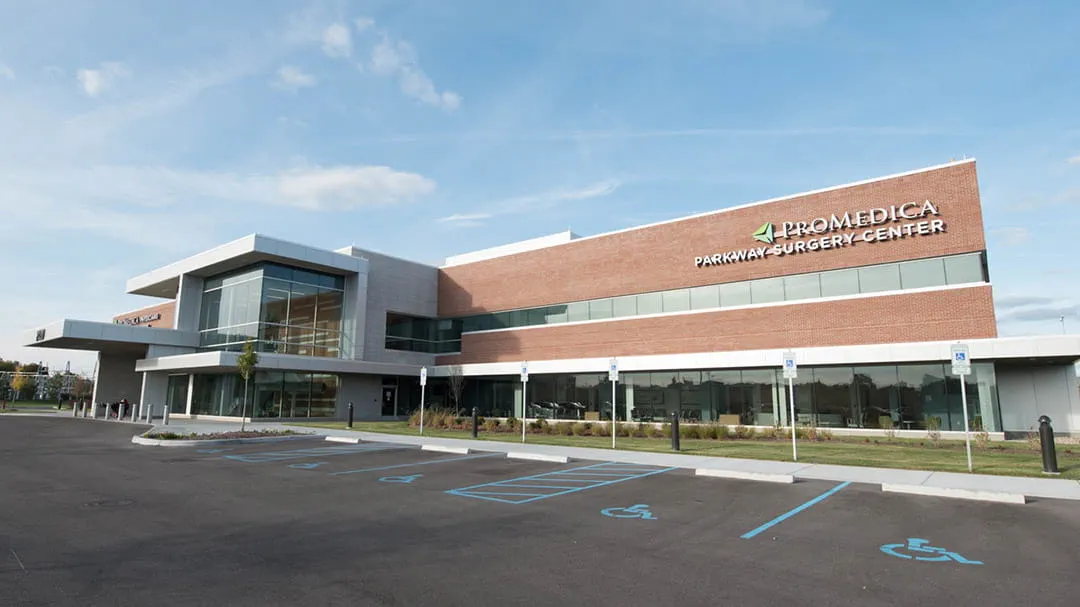
ProMedica Parkway Surgery Center
Welcome to ProMedica Parkway Surgery Center Toldeo, Ohio. Get driving directions, hours of operation, learn about treatment and therapies and more.
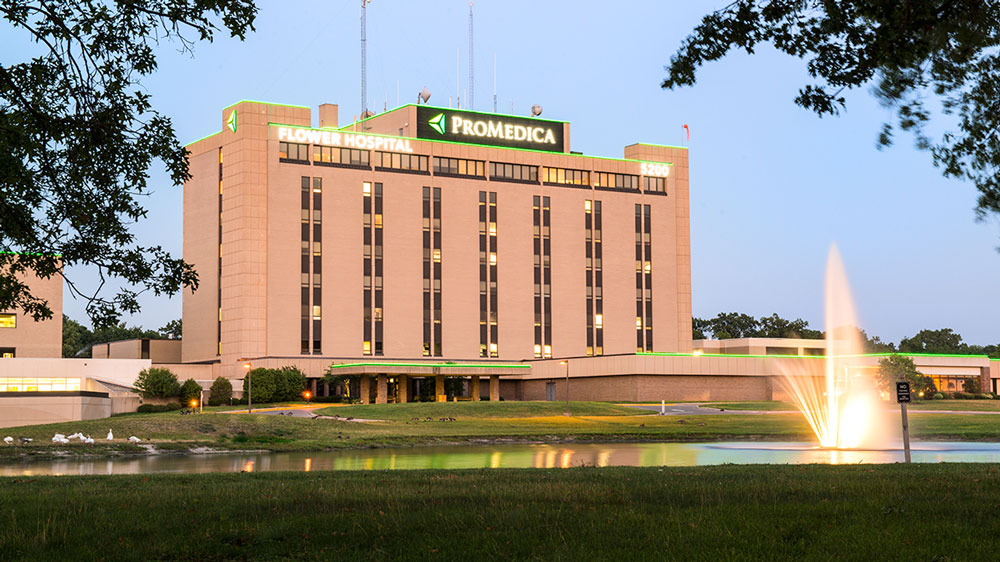
Flower Hospital
Surgery Center
Discover what ProMedica Flower Hospital Surgery Center has to offer.
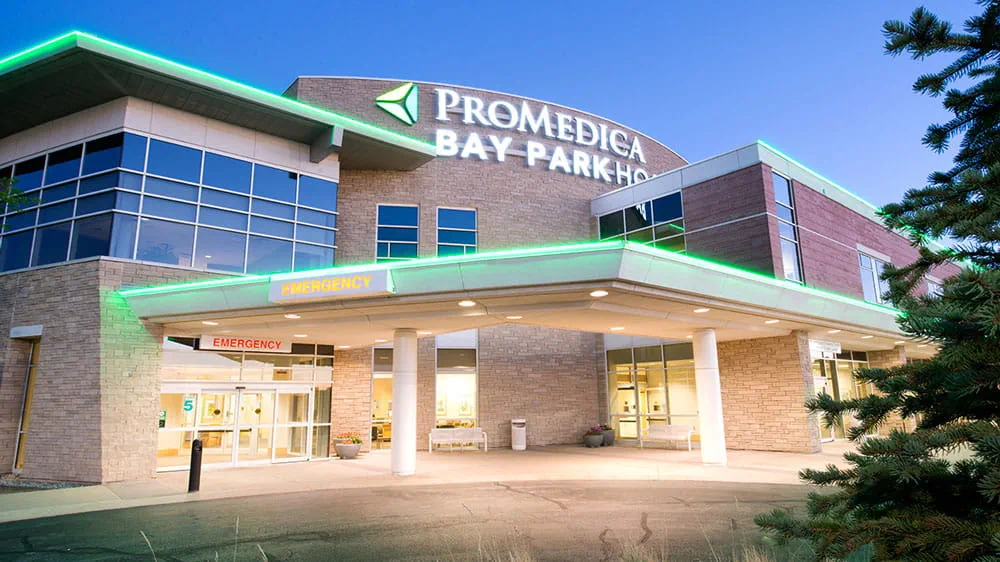
Bay Park Hospital
Surgery Center
Discover what ProMedica Bay Park Hospital Surgery Center has to offer.
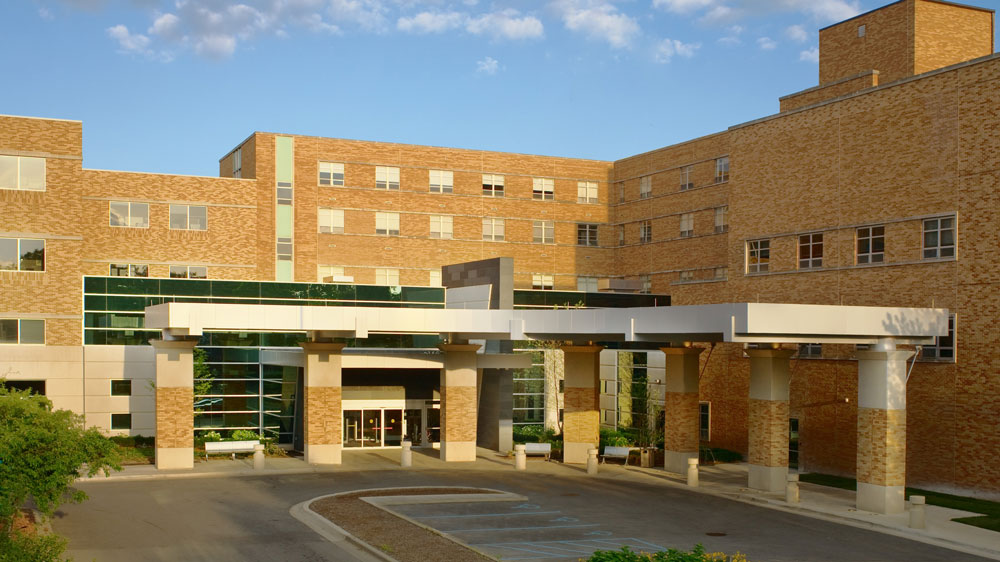
Monroe Regional Hospital
Surgery Center
Discover what ProMedica Monroe Regional Hospital Surgery Center has to offer.
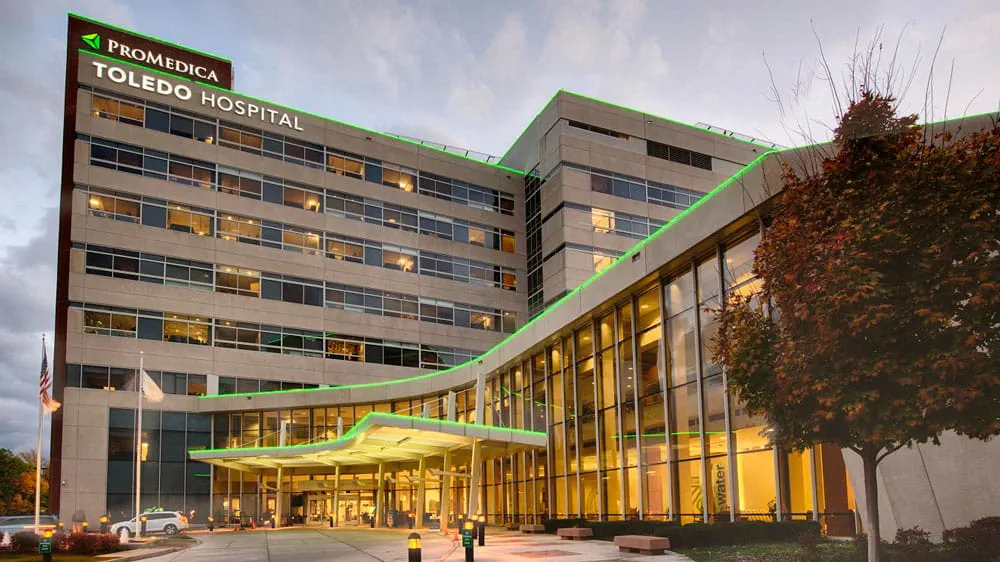
Toledo Hospital Surgery Center
Discover what ProMedica Toledo Hospital Surgery Center has to offer.
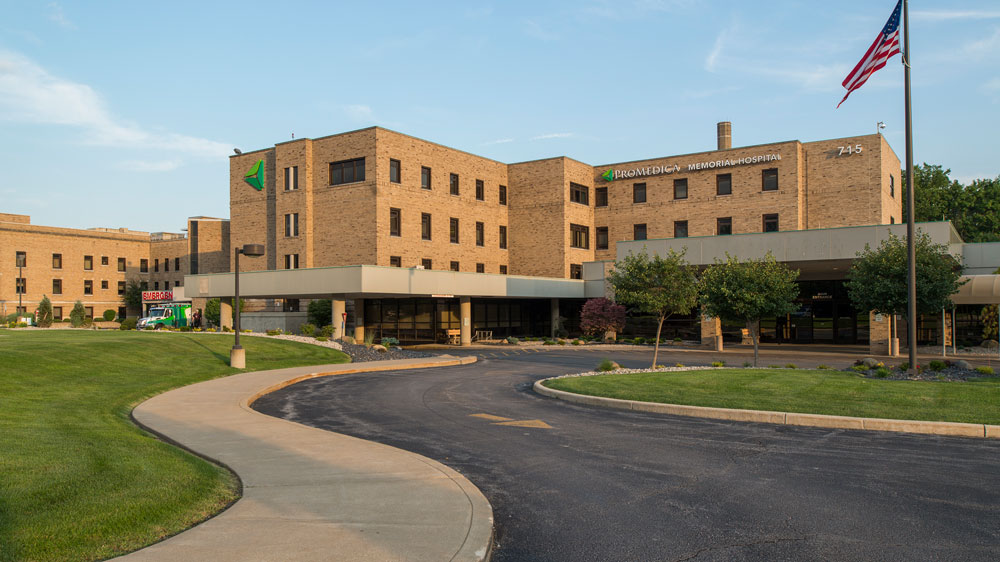
Memorial Hospital
Surgery Center
Discover what ProMedica Memorial Hospital Surgery Center has to offer.
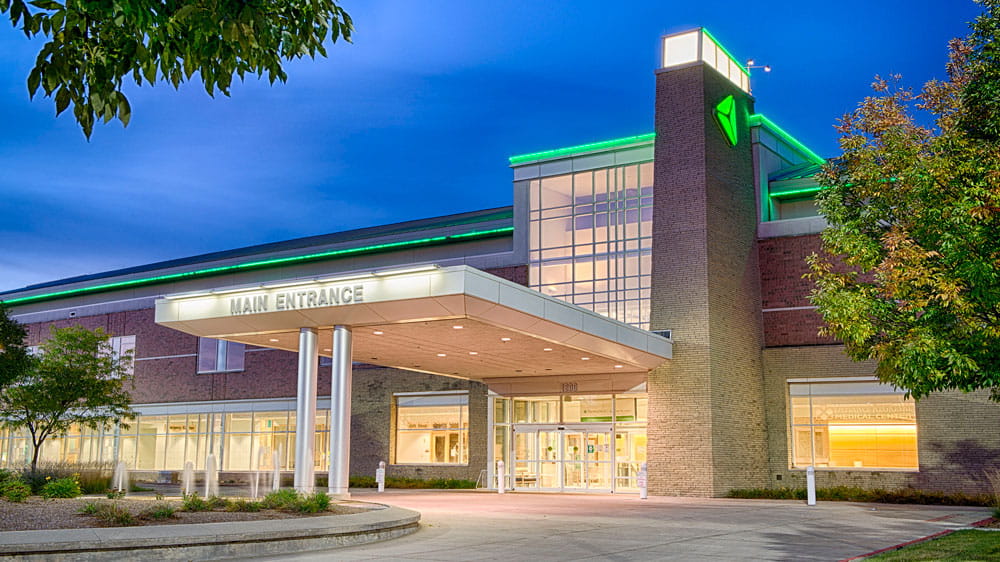
Defiance Regional Hospital
Surgery Center
Discover what ProMedica Defiance Regional Hospital Surgery Center has to offer.

ProMedica Physicians General Surgery - Fostoria
Click here to learn about the services we offer. Get driving directions, contact information, operating hours and more.
ProMedica Physicians General Surgery
Click here to learn about the services we offer. Get driving directions, contact information, operating hours and more.
ProMedica Physicians General Surgery
Click here to learn about the services we offer. Get driving directions, contact information, operating hours and more.
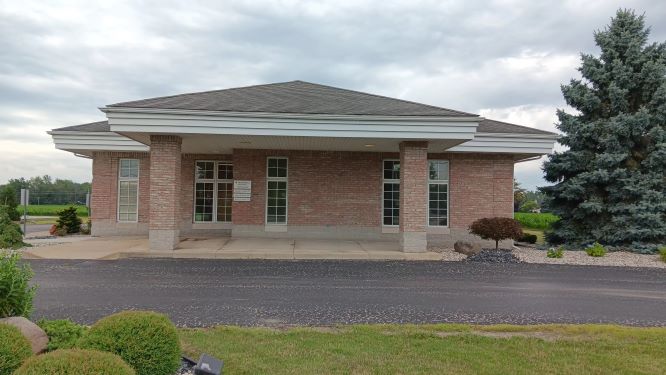
ProMedica Physicians General Surgery - Fremont
Click here to learn about the services we offer. Get driving directions, contact information, operating hours and more.
ProMedica Physicians General Surgery - Oregon
Click here to learn about the services we offer. Get driving directions, contact information, operating hours and more.
Related Services & Conditions
General Surgery
Our board-certified surgeons perform thousands of procedures every year. If you need surgery, count on us for expert, compassionate care.