Our Services
When you find out you're pregnant there's a lot to think about: maternity care, childbirth and parenting classes, where you want to deliver your baby and what to expect when the big day arrives.
Some of the most advanced birthing facilities in the Toledo metro region are found in ProMedica hospitals. We'll be with you every step of the way. That includes everything from your obstetric exams and ultrasounds to the first days of your baby's life – and everything in between.
You'll have access to:
- Anesthesiologists.
- Certified midwives.
- Childbirth education.
- Lactation consultants.
- Maternal-fetal medicine specialists for high-risk pregnancies.
- Neonatal services.
- Obstetric services.
- Spacious labor, delivery and postpartum rooms.
- Support groups.
About Ultrasounds
Ultrasounds are a safe way to see how your baby is developing and make sure it’s healthy as it grows in your uterus.
Also called sonography, an obstetric ultrasound uses high-frequency sound waves sent into your body from a scanning instrument placed on your skin. The sound waves reflect off bones and tissues and are analyzed by a computer. This results in an image.
Along with a standard ultrasound, your doctor may want you to have a Doppler ultrasound. It evaluates organ and fetal vessel blood flow. In some cases, you may need a vaginal ultrasound to provide more information.
A typical ultrasound takes between 30 and 60 minutes. You don’t need to make special preparations, but you may want to wear loose-fitting clothes that can be washed, since a gel-like material is used on your abdomen.
Some doctor’s offices limit the number of people who can come to your appointment. Usually one adult is welcome to watch your ultrasound with you. Sometimes when the ultrasound is almost over, your doctor will allow other adults to join you in the room.
A detailed report is always sent to your obstetric care provider after the ultrasound. It will help your doctor learn:
- If there are any potential birth defects.
- Whether your baby is growing at a suitable rate.
- How much fluid is around your baby.
- The measurement of your cervical length.
- Your baby’s due date.
- Your baby’s position in the womb.
About C-Sections
A C-section, also called cesarean delivery, is a type of surgery. Your baby is delivered through incisions (cuts) in your abdomen and uterus, instead of a vaginal birth.
You can schedule your C-section ahead of time if you begin to have pregnancy complications or you've had a past C-section and don’t plan to have vaginal birth after cesarean (VBAC). But for first-time moms, the need for a C-section often isn’t clear until labor has started.
Stalled labor is one of the main reasons why your doctor might recommend a C-section. Other reasons include:
- A problem with your placenta.
- You or your baby have a health concern that makes vaginal delivery risky.
- You’re carrying twins, triplets or other multiples.
- Your baby is not in a normal position.
- Your baby is not getting enough oxygen.
About High-Risk Pregnancies
Your pregnancy may be considered high-risk because of a health condition you had before pregnancy or a health condition that develops during pregnancy. If so, ProMedica's maternal-fetal medicine specialists are ready with the care you and your baby need.
Before Delivery
There are many ways that you can prepare for the role of a lifetime and get ready for the big day. From education classes to helping you identify the signs of labor, we're here to help.
Take Advantage of Education Opportunities
Set yourself and your baby up for a positive, healthy birth experience with ProMedica's childbirth education program. They're designed to provide vital information for expectant mothers and their families. By joining these classes, you may find they reduce stress and help make sure you're ready when your baby comes.
If you can't go to in-person classes because of bed rest, schedule conflicts, time constraints or other personal reasons, our online childbirth classes are an option. They give you a complete education in a personalized format on your own computer at home.
Register early in your pregnancy and plan to start classes by week 32. Confirmation, which will include the locations of your classes, will be mailed (or emailed) to you.
Our childbirth education program includes classes, tours and orientations covering:
- Baby care.
- Breastfeeding.
- Breastfeeding for working parents.
- Car seat safety.
- Childbirth.
- Grandparents and support person.
- Infant safety and CPR.
- Prenatal lactation services.
- Maternity tours.
- Prenatal water aerobics.
- Siblings.
For more information or to register at any of our hospitals, call 419-291-5666 or email ChildBirthEducation@ProMedica.org.
Choose a Hospital Wisely
When you're deciding where you want to bring your new baby into the world, keep these important things in mind:
- Amenities: What are your personal needs? Do you prefer a certain room size? Will your partner be staying the night?
- Location: You may prefer a location close to your home so you can get to the hospital faster when labor begins.
- Tours: Visit several hospitals before you make a decision. Take your partner, mother or a trusted friend. This will help you think about which hospital best fits your needs and makes you as comfortable as possible when it’s time to deliver.
Know the Signs and Stages of Labor
After nine months of waiting, you'll be ready for the big day. When you have these signs of labor, call your doctor and family members:
- Contractions: Contractions are the shortening of your uterine muscles. They happen before and during childbirth. When they occur less than 10 minutes apart, that usually means labor has started. It's not unusual to have periodic, irregular contractions as your labor nears.
- Your water breaks: The amniotic sac surrounds and protects your unborn baby. When fluid leaks from your vagina, it means the membranes of the sac have ruptured. This can happen hours before labor starts or during labor. Most women go into labor within 24 hours after their water breaks.
It will also help to recognize the stages of labor:
- Stage one: The first stage of labor includes latent, active and transition phases. To help your cervix dilate, your contractions will come more and more often until you're completely dilated (10 centimeters).
- Stage two: Stage two begins when the cervix is completely opened. At this point, your doctor will tell you to push. Pushing, along with your contractions, propels your baby through the birth canal. Your baby's head will crown, and you'll keep pushing to deliver your baby's shoulders and body. Once your baby is fully delivered, the umbilical cord is clamped and cut.
- Stage three: In the final stage of labor, you'll deliver the placenta, the organ that nourishes your baby inside your womb.
Pack Your Bag for the Hospital
Pack a bag for your hospital stay ahead of time. Include any paperwork you may need, your birth plan, comfy clothes, personal hygiene items and any items that may help you pass the time as you wait.
You may also want to pack items for your baby. Include clothing for pictures and your ride home. And don't forget the car seat.
Prepare for a C-Section, Just in Case
Whether you're having a planned C-section or will only have one if it becomes necessary during labor, a little advance preparation will go a long way to ease your anxiety. Planning will also help make sure your C-section goes as smoothly as possible. This planning includes talking to your doctor about anesthesia choices ahead of time to decide on the best one for you if it's needed. You may also be asked to take blood tests in case an emergency blood transfusion is needed during delivery.
Also, plan for your at-home recovery by asking for help from friends, family or a nanny.
Some of the ways that a C-section differs from vaginal birth include:
- Abdominal incision: The doctor will make an incision through your abdominal wall, usually horizontally near your pubic hairline.
- Anesthesia: Anesthesia is used to numb the lower part of your body, which allows you to stay awake during the C-section.
- Bathing: For a scheduled C-section, you'll be asked to shower or bathe the night before with antibacterial soap. This lowers the risk of infection. Your abdomen will be cleaned again at the hospital before your procedure. A tube will be inserted to collect your urine.
- IV: An IV will be inserted in your hand or arm to deliver fluids and medicine.
- Uterine incision: After your abdominal incision, the doctor will make an incision in your uterus. The uterine incision is usually horizontal across the lower part of your uterus.
Understand How to Manage Your Pain During Childbirth
You may learn special ways to breathe in childbirth classes or choose to have pain medicine for labor. Pain-relieving drugs for labor have two categories: analgesics and anesthetics. Talk to your doctor about the best pain treatment medicine for you.
After Delivery
Pregnancy and childbirth put your body through a lot. After you give birth (postpartum), it's vital that you rest as much as you can to make sure you get back to good health.
Slowly ease back into your daily routine. Ask family and friends for help with meals and babysitting so you can rest.
Know About C-Section Recovery
C-section recovery takes longer than recovering from vaginal birth. C-sections also come with specific risks to you and your baby.
Risks to your baby include breathing problems such as transient tachypnea or surgical injuries such as nicks to your baby's skin. These risks are rare.
A C-section can put you at risk for:
- Blood clots.
- Increased bleeding.
- Increased risks during future pregnancies.
- Inflammation and infection of the membrane lining your uterus.
- Reactions to anesthesia.
- Surgical injury.
- Wound infection.
Maintain Your Health After Giving Birth
Just as it was important to take care of yourself during pregnancy, you should also protect your health as you recover. There are a few easy steps you can take to make sure you have the best, and fastest, recovery.
- Avoid sex if you've had a C-section: It's usually safe to have sex again about four to six weeks after surgery or after your doctor gives you the go-ahead.
- Drink plenty of fluids: Drinking water and other fluids will help replace the fluid you lost during delivery and will lose when you're breastfeeding. Fluids also help keep you from getting constipated.
- Eat well: Eat foods with plenty of vitamins and minerals to restore your body and build strength.
- Take it easy: Rest often and try to keep everything you or your baby will need within your reach. Avoid lifting from a squatting position or lifting anything heavier than your baby for the first few weeks.
- Take your medication: Your doctor might recommend Tylenol or other medicines to relieve pain. Ask your doctor which pain relief medicines are safe for women who are breastfeeding.
Recognize Post-Delivery Complications
These signs point to a post-delivery problem. Call your doctor right away if you have:
- Bleeding that soaks a sanitary napkin within an hour or contains large clots.
- Breast pain along with redness or fever.
- Bad-smelling vaginal discharge.
- Leg pain or swelling.
- Painful urination.
- Signs of infection, such as a fever higher than 100.4° F, severe pain in your abdomen, or redness, swelling and discharge at your C-section incision site.
Watch Out for Postpartum Warning Signs
Postpartum depression is a common problem with pregnancy and delivery, and it can affect anyone. Ranging from moderate to severe, this form of depression can happen as soon as your baby is born or anytime up to one year after delivery.
Signs include:
- Trouble bonding with your baby.
- Lack of joy in life.
- Loss of appetite.
- Loss of interest in sex.
- Overwhelming fatigue.
- Severe mood swings.
- Withdrawal from family and friends.
Often, these symptoms naturally lessen over time. However, if not recognized or managed well, postpartum depression can become quite serious. Call your doctor right away if you have any of the signs. We can help ease your symptoms and keep you safe.
Featured Locations

ProMedica Physicians Obstetrics and Gynecology - Toledo
Experience compassionate care at ProMedica Physicians Obstetrics and Gynecology in Toledo. Our patient-centered approach prioritizes your health and well-being.
ProMedica Physicians Obstetrics
At ProMedica Physicians Obstetrics & Gynecology, we offer quality, patient-centered care in Oregon, OH. Trust us to support your health journey every step of the way.
ProMedica Physicians Obstetrics
Click here to learn about the services we offer. Get driving directions, contact information, operating hours and more.
Related News
News Coverage
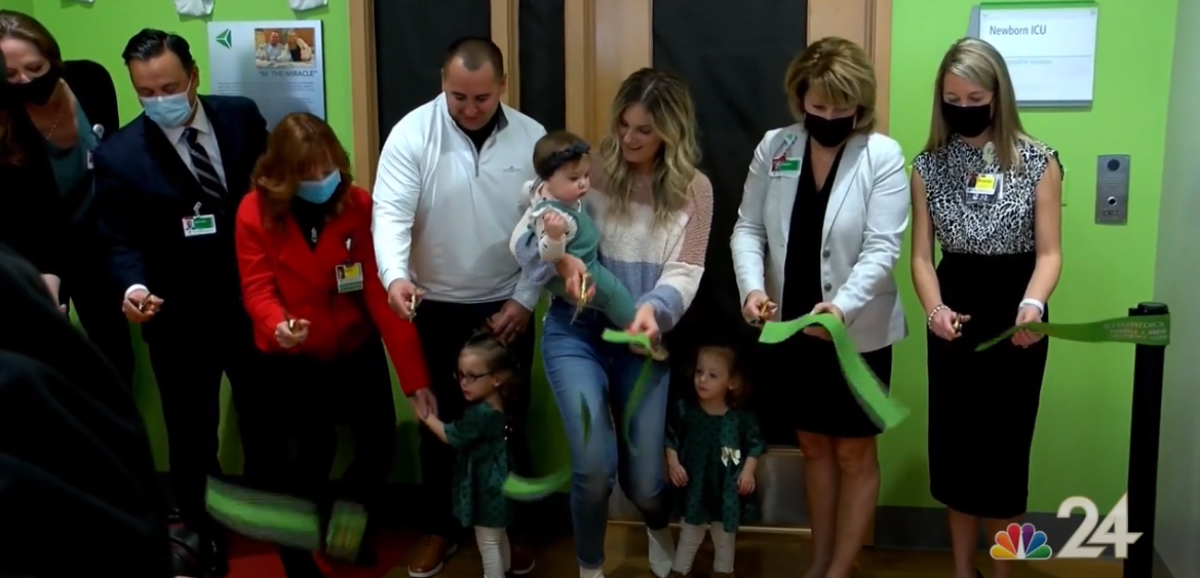
NBC 24: ProMedica renames NICU after family who received care for preterm labor
Paula Grieb, ProMedica chief nursing officer and vice president of patient care services, expresses gratitude for the gift.

News Coverage
Crescent-News: ProMedica Defiance Regional earns award for maternity care
ProMedica Defiance Regional Hospital has been awarded the Maternity Care Best Practice Award and received a five out of a five-star rat

News Coverage
News-Messenger: ProMedica Fremont Memorial Hospital unveils new maternity ward, intensive care unit
ProMedica Fremont Memorial Hospital's $27 million master plan has come to fruition with the unveiling of one of the project's final ste
Related Services & Conditions
Maternal-Fetal Medicine (High-risk Pregnancy)
If you or your baby are considered high-risk, you can get expert, compassionate care from our multi-disciplinary team of maternal-fetal medicine specialists.
Midwifery
Our certified nurse midwives provide a wide range of women's care services. From pregnancy and childbirth to adolescence and menopause, they're here to help.
Women's Health
From breast care and gynecologic services to midlife care and pelvic health, we're passionate about women's health and are here for every stage of your life.
Neonatal Intensive Care Unit (NICU)
When your newborn needs immediate, critical care, the Neonatal Intensive Care Unit at the ProMedica Russell J. Ebeid Children's Hospital can help.