Pediatric Oncology Research and Clinical Trials

At ProMedica, we aim to connect patients to the best care and treatments possible. For some of our pediatric patients that may include clinical trials. These options give patients access to some of the latest medical advancements. 

Participating in a Clinical Trial

As a parent, you want to know all the treatment options available for your child. We understand that you have many questions about participating in a clinical trial. Our Research and Clinical Trials page will give you more information about available research, what to expect and frequently asked questions.

For more information about our pediatric oncology clinical trials, call 419-291-9500.

Bringing the Latest Research, Close to Home

Pediatric cancer care is one of the many specialties in which we offer clinical trials across our system. In childhood cancer care alone, we offer over 40 clinical trials per year. These are open to children, adolescents and young adults.

ProMedica Russell J. Ebeid Children's Hospital is the only children's cancer center in northwest Ohio to participate in the Children's Oncology Group (COG). As the world's largest pediatric cancer research network, the COG provides opportunities for local families to access the latest research close to home.

Research and Clinical Trial Opportunities

Research and clinical trials at ProMedica are always changing. To find the most up-to-date listing of clinical trials available at ProMedica or nationwide, we encourage you to visit ClinicalTrials.gov.

The research studies and clinical trials available to your child will depend on the type of cancer and its location. Your care team is here to help you understand the details of the clinical trial so you feel confident giving your informed consent. The decision to participate is completely up to you, and your choice will not affect your healthcare.


We provide patients with opportunities to participate in research focused exclusively on childhood and adolescent cancer research, supported by the National Cancer Institute (NCI).

The different types of research include:

  • Therapeutic trials: These clinical trials evaluate new treatments, drugs and radiation therapies.
  • Biology and biomarker studies: These studies track the molecular makeup of a child's tumor to learn more about it. These studies make up the COG Biorepository, which houses millions of samples. It helps researchers and healthcare professionals understand why specific cancers behave the way they do.
  • Precision medicine trials: NCI-COG Pediatric MATCH is a clinical trial through the National Cancer Institute and COG. It matches children, teens and young adults (ages 1-21) who have solid tumors with targeted therapies. These matches are based on the specific genetic profile of the cancer, rather than the tumor's location.
  • Supportive care and survivorship studies: This research is designed to prevent or manage the side effects of cancer and its treatments. It also aims to monitor and reduce long-term health complications following a cancer cure.

As a COG site, ProMedica investigates all major and rare forms of childhood and adolescent cancers. This includes:

  • Leukemia (blood cancers)
  • Lymphoma, including Hodgkin and non-Hodgkin
  • Brain and central nervous system (CNS) tumors, including medulloblastoma and gliomas
  • Sarcomas, including osteosarcoma, Ewing sarcoma and Rhabdomyosarcoma
  • Rare cancers, including neuroblastoma (nerve cells), Wilms Tumor (kidney), retinoblastoma (eye) and hepatoblastoma (liver).

The Molecular Characterization Initiative (MCI) is a program sponsored by the National Cancer Institute, in collaboration with the COG and the childhood cancer community. It offers comprehensive, free molecular testing at the time of the cancer diagnosis.

The MCI study specifically focuses on aggressive and challenging pediatric and young adult cancers. The initiative includes the following tumor groups:

  • Central nervous system tumors that grow on the brain or spinal cord
  • Soft tissue sarcomas that grow in soft tissues, like muscle, fat or nerves.
  • High-risk neuroblastomas, which develop on nerve cells
  • Metastatic Ewing sarcomas
  • Rare cancers, such as adrenocortical carcinomas (adrenal glands), retinoblastoma (eye) and melanoma (skin)

Immunotherapy Helps Pediatric Cancer Patients Fight Leukemia

Charley Myers, a patient of ProMedica Russell J. Ebeid Children's Hospital, was part of a clinical study that led to remarkable results.
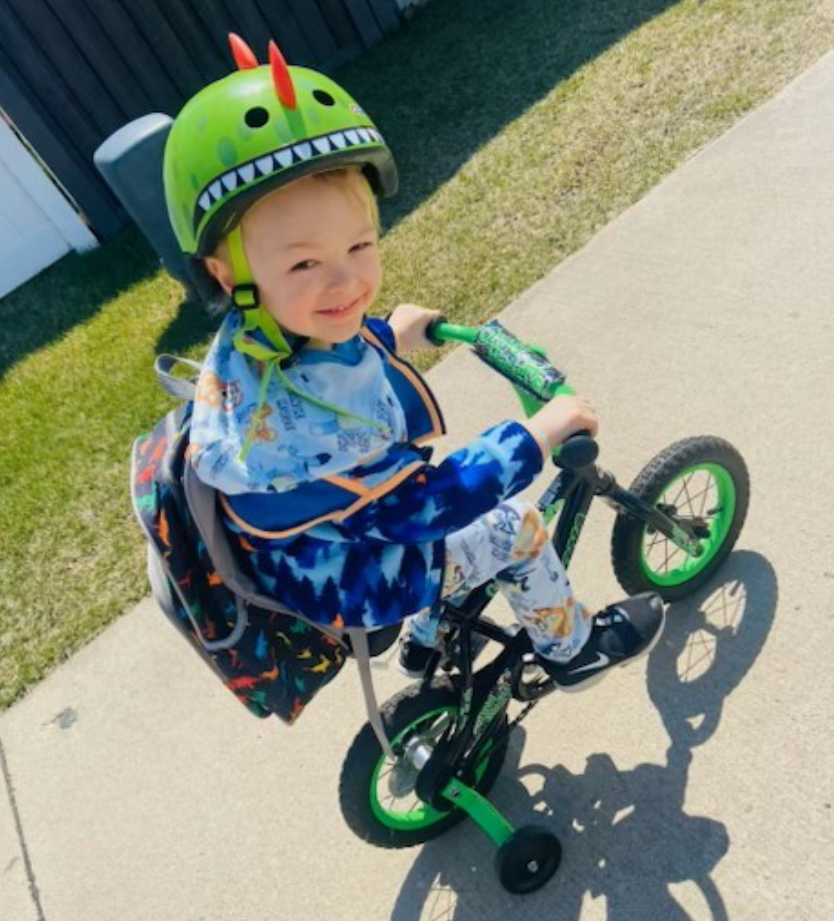
Charley Myers rides his bicycle outdoors

Our Doctors

Jamie Dargart, MD

Primary Investigator
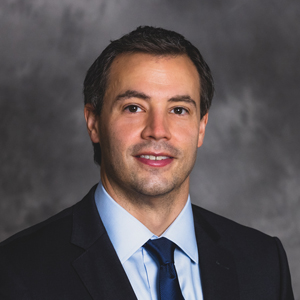
Anthony Palmer, MD
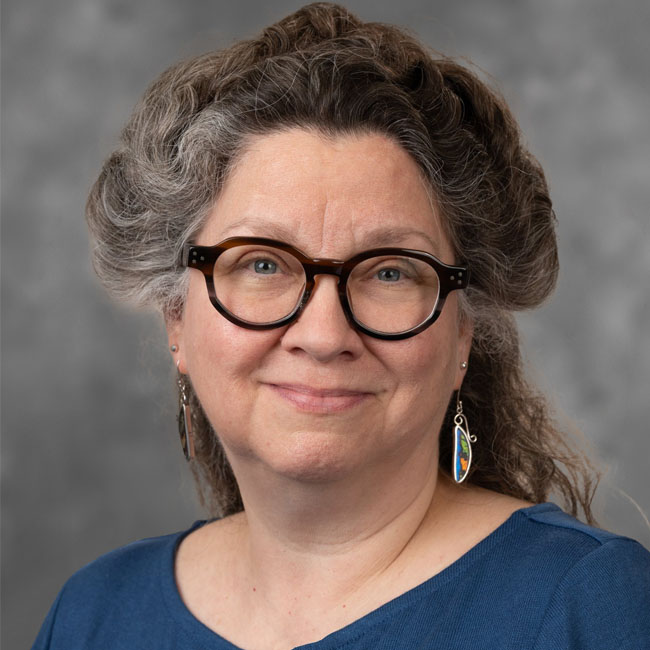
Melisa Mullins, MD
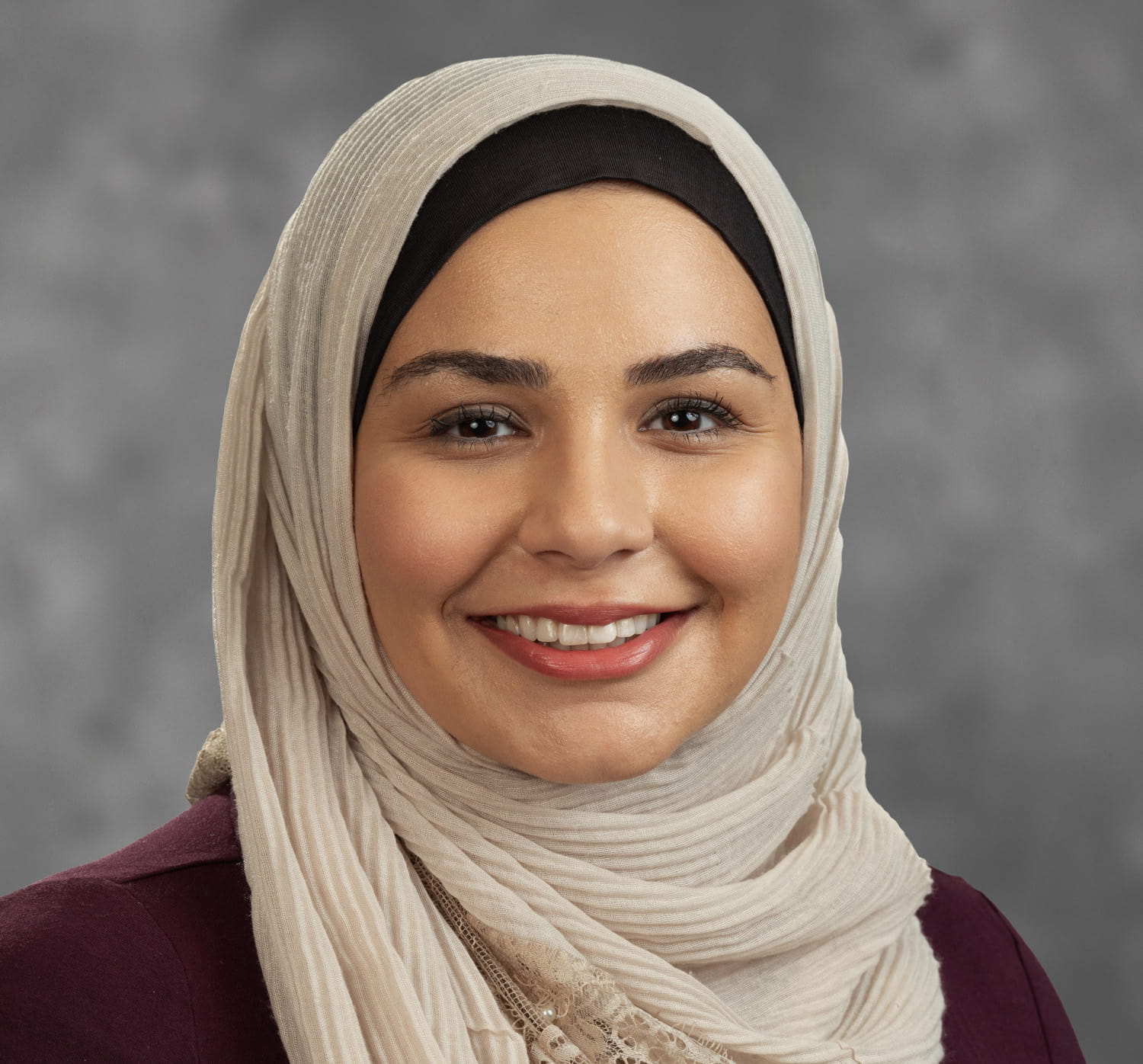
Melisa Mullins, MD

Ghadir Katato, DO

Dagmar Stein, MD

Laura Schulz, MD

Laura Schulz, MD