Northwest Ohio’s Largest Group of Vascular Experts
We’re northwest Ohio’s largest group of board-certified vascular surgeons, vascular medicine specialists and advanced practice providers. Our experts are trained in all aspects of vascular disease, including varicose and spider veins, as well as vascular birthmarks. We use the latest technologies to identify the surface problem and its underlying causes.
Treatment Options for Varicose and Spider Veins
We offer both cosmetic and therapeutic treatments for varicose veins, spider veins and other venous-related conditions. Your vascular specialist will work with you to decide which treatments best fit your condition and your lifestyle.
Non-Surgical
Compression stockings that squeeze your veins are proven to improve circulation when worn daily.
Minimally Invasive
Multiple treatments are available, but sclerotherapy is the most common. An injected saline causes the veins to close.
Surgical
Vein stripping is a minor surgery that removes or ties off the blood vessel.
Minimally Invasive Treatments
Our vein care experts offer a range of minimally invasive treatments for spider and varicose veins, including:
Sclerotherapy
Sclerotherapy is the most common treatment for spider and varicose veins. A concentrated saline solution is injected into the veins and then hardens. This causes the veins to close and collapse. Over time, healthy blood vessels will absorb the blood flow.
Endovenous Laser Ablation
This removes veins by using high-intensity laser beams or intense pulsating light that's guided by an ultrasound.
Phlebectomy
This removes your veins using tiny punctures or incisions (cuts) along the path of the vein. Your surgeon then uses a phlebectomy hook (similar to a tiny crochet hook) to remove your veins through these small incisions.
Radiofrequency Closure Ablation
This may be used in place of vein stripping. A thin catheter is inserted into the vein through a small opening using a single needle stick. The catheter delivers radio frequency energy to the vein, which causes it to heat, collapse and seal shut. Over time, other healthy veins will take over..
VenaSeal™ Closure System
This new, minimally invasive procedure uses an advanced medical adhesive to close the diseased vein. VenaSeal™ is designed to minimize patient discomfort and recovery time. It offers many benefits to the patient, including no need for anesthesia or compression stockings after the procedure.
Clarivein®
This catheter-based treatment uses a rotating tip to disperse medicine and close damaged veins.
Varithena®
This catheter-based treatment injects foam into the diseased vein, causing it to close or collapse.
FAQ
What are varicose veins?
Varicose veins are enlarged, twisted and weakened blood veins. They can happen anywhere on the body but are most common in the legs.
Varicose veins are caused by venous insufficiency. When blood flows too slowly, not at all, or backward, the blood pools in the blood vessels of the legs.
When the blood pools, some veins become enlarged and appear dark, twisted and bulging from the skin. This is commonly referred to as varicose. Although they're deeper under the skin than spider veins, they appear as bulging veins raised above the skin.
What are spider veins?
Spider veins are a milder condition caused by the dilation (expansion) of a small group of blood vessels near the surface of your skin. They often look like a sunburst or "spider web," are red or blue in color and are often found on the face and legs.
At this time, no one knows what causes spider veins. However, contributing factors include age, family history, hormonal changes and pregnancy.
Am I at risk for varicose veins?
While some risk factors are out of your control, there are some steps you can take to prevent the development of varicose veins. Knowing which risk factors apply to you can go a long way in helping you prevent or manage the condition.
- Age.
- Being overweight.
- Being a woman.
- Not being physically active.
- Genes and family history.
- Pregnancy.
- Smoking.
- Taking oral contraceptives or hormone replacement.
Risk factors for varicose veins include:
How can I prevent varicose veins?
Maintaining a healthy weight and exercising regularly can help stop varicose veins from forming. Other ways to prevent them include:
- Putting up your feet while sitting.
- Uncrossing your legs while sitting.
- Wearing compression stockings.
Some jobs may increase your risk for developing varicose veins. Sitting or standing in one spot for an extended period puts the calf muscle in standby mode, allowing blood to pool in the leg. Making an effort to alternate between sitting and standing throughout the day can help prevent blood from pooling in the legs. Also ,wearing compression stockings can help if it isn’t possible to move around throughout the day.
How are varicose veins diagnosed?
Your vascular specialist will get to know your complete medical history and perform physical exam. Also, you may have one of the following diagnostic tests:
- Duplex ultrasound. An ultrasound that checks the blood flow and structure of your veins.
- Color-flow imaging. Also called a triplex ultrasound, this procedure is similar to a duplex ultrasound in that it uses color to show the direction of blood flow.
- Magnetic resonance venography (MRV). MRV uses a combination of large magnets and a computer to view your veins. During this test, a dye is injected into your veins for a better view.
Some jobs may increase your risk for developing varicose veins. Sitting or standing in one spot for an extended period puts the calf muscle in standby mode, allowing blood to pool in the leg. Making an effort to alternate between sitting and standing throughout the day can help prevent blood from pooling in the legs. Also ,wearing compression stockings can help if it isn’t possible to move around throughout the day.
What happens if varicose veins aren’t treated?
While not life-threatening, varicose veins can cause problems. Varicose veins can cause increased pressure, fatigue, bulging veins, itching, swelling, skin changes, ulceration, heavy legs and skin discoloration.
When left untreated, advanced venous disease can lead to painful, disabling symptoms and conditions, including:
- A venous stasis ulcer, which forms when there isn't proper drainage in the enlarged vein.
- Phlebitis, an inflammation of the vein.
- Thrombosis, a blood clot that forms in an enlarged vein.
Some jobs may increase your risk for developing varicose veins. Sitting or standing in one spot for an extended period puts the calf muscle in standby mode, allowing blood to pool in the leg. Making an effort to alternate between sitting and standing throughout the day can help prevent blood from pooling in the legs. Also ,wearing compression stockings can help if it isn’t possible to move around throughout the day.
What should I expect with varicose vein treatment?
Even with minimally invasive procedures, your body needs time to recover. It’s common and very probable that your legs will look worse after treatment before they get better.
Temporary bruising at or near the injection site or along the course of the vein is common. Injection sites sometimes experience redness and swelling, small sores or darkened skin. Our Jobst Vein Care experts agree that winter is good time to have vein care treatment. During the winter, you can cover healing skin to help prevent post-procedure skin discoloration from sun exposure.
For small varicose or spider veins, it typically takes three to six weeks for results. Major veins might take three to four months. You might need more than one treatment to get the results you want.
Request an Evaluation
If you would like an evaluation with a Jobst Vascular Institute Vein Care specialist at ProMedica, please complete the form below or call 419-291-2003.
*Required
Featured Locations
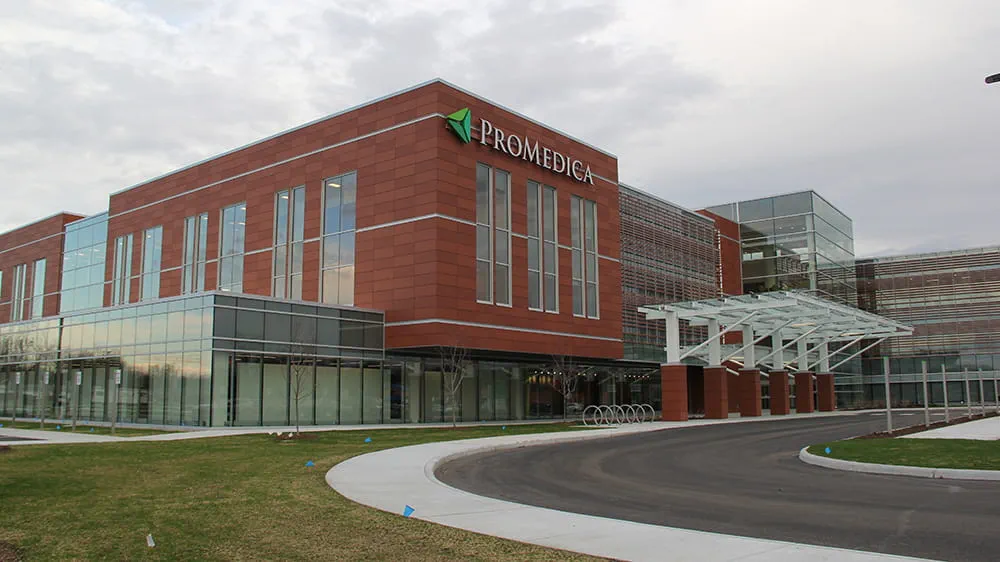
Jobst Vascular Institute Vein Care
Welcome to Jobst Vascular Institute Vein Care Sylvania, Ohio. Get driving directions, hours of operation, learn about treatment and therapies and more.
Related Services & Conditions
Vascular Care
Jobst Vascular Institute brings you world-class care close to home. We offer a innovative and personal approach to testing, medical treatment and surgery.