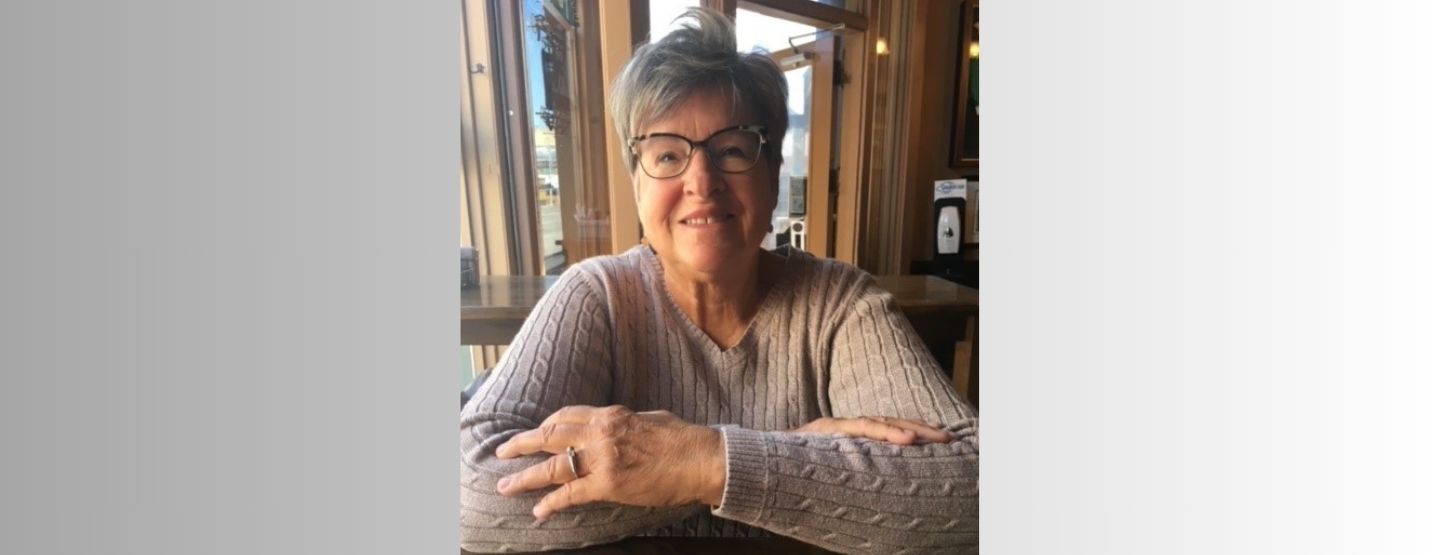
Judy Clay has always been active. As a retired nurse, she is accustomed to long days on her feet and has kept her steps up into retirement as a volunteer guide at the Toledo Museum of Art. When not volunteering, Judy can be found trying to keep up with her four grandchildren, painting with watercolors, reading and cross-stitching.
At the age of 74, Judy is nowhere near ready to slow down. But a couple of years ago, Judy began experiencing symptoms that kept her from doing the things that she loved.
When walking long distances, Judy experienced shortness of breath and jaw tightness. Over a couple of years, these symptoms worsened and affected Judy’s ability to walk even short distances. She was struggling to simply move around the house. When she began to experience swelling in her legs and feet, she knew there was something serious going on.
Receiving a Diagnosis
After an echocardiogram and some blood tests, Judy finally received a diagnosis of hypertrophic obstructive cardiomyopathy (HOCM) in July 2023. This condition occurs when the wall between the left and right ventricle of the heart thickens, blocking blood flow from the left ventricle to the aorta. If not treated, HOCM can lead to atrial fibrillation (afib), stroke, heart failure or sudden cardiac arrest.
“The diagnosis was quite frightening. Just because it can be very serious and it’s something that I will always have,” Judy explains.
After this diagnosis, Judy was referred to ProMedica Physicians Cardiology – Toledo to work with cardiologists Stephanie Younes, MD, FACC, FSCAI and Robert Grande, MD, FACC. Drs. Younes and Grande worked together to recommend treatment options and relay them to Judy.
Treating Hypertrophic Obstructive Cardiomyopathy
Treatment options include medications, open-heart surgery, or a less invasive procedure – an alcohol ablation. Because Judy would have to take medications for the rest of her life, and they can cause unwanted and sometimes severe side effects, she decided on the less invasive procedure, alcohol ablation.
“I’ve experienced and worked with a lot of doctors, and I know how precious their time is. I just really appreciate the time that both Dr. Younes and Dr. Grande took to explain my treatment options, and how reassuring, kind and professional they both were,” Judy shares.
An alcohol ablation is performed by injecting ethanol, a type of alcohol, into the artery that supplies blood to the heart muscle affected by HOCM. This kills those cells, causing the thickened tissue to shrink back to a more normal size.
Getting Back to Normal
Dr. Younes performed the alcohol ablation in October 2023 and Judy couldn’t be happier with the results. Judy explained that because there was a risk of needing a pacemaker post-procedure, she was monitored for three days at ProMedica Toledo Hospital.
“I couldn’t be happier with the treatment that I received at Toledo Hospital. Everyone was so kind and took the time to make sure I had everything I needed,” Judy praises.
A temporary pacemaker was placed to monitor her heart, and Judy was left with a small incision and little pain.
Because it’s a genetic condition, Judy’s children and grandchildren are also at risk of having this condition. Judy shared just how thankful she was that after her procedure, Dr. Younes took the time to talk with her family about the importance of getting tested for the condition.
Today, Judy is thankful to be feeling almost back to normal. She can walk longer distances and makes it a priority to go on daily walks and stay active throughout the day.
“I’m feeling great. But if something ever were to come up again, I’m confident that Dr. Younes and Dr. Grande could handle it,” Judy shares. “I can’t thank everyone enough.”
Subscribe to Our ProMedica Newsletter
Looking for inspiration on how to improve your health and well-being? Get trustworthy health news, wellness tips and inspirational patient stories delivered to your inbox twice a month with our free ProMedica newsletter.