Specialized Care for Irregular Heartbeats
ProMedica's Heart Rhythm Center is a state-of-the-art facility located at ProMedica Toledo Hospital. From simple to complex cases, the center provides the highest quality of irregular heart rhythm care in Toledo.
How AFib is Diagnosed
AFib is diagnosed through a physical exam, consideration of family history, and oftentimes, specialized tests.
If your primary care provider suspects that you have AFib, they may refer you to a cardiac electrophysiologist. This type of doctor specializes in treating the heart's electrical system and heart rhythm problems like AFib. They will perform the necessary testing to lead to diagnosis and treatment.
Diagnostic tests may include:
- Blood tests: These tests can help your doctor figure out whether another condition is causing the AFib.
- Echocardiogram: This is an ultrasound of the heart. Your doctor may use an echocardiogram to check your heart's structure and how it's pumping blood.
- Electrocardiogram (EKG or ECG): This test checks your heart's rhythm and whether it's sending and receiving electrical signals properly. If your AFib comes and goes, you may wear a portable ECG (Holter monitor) for a few days at home.
- Stress test: During this test, you will walk or run on a treadmill while your doctor monitors your heart and blood pressure. It can help show how blood flows to and from your heart.
Treatment for AFib at ProMedica
AFib can be treated with medicines, minimally invasive procedures, surgery or a combination of these methods. Your treatment plan is based on how severe your atrial fibrillation is and other health conditions you have.
Treatment options at ProMedica include the following.
Medicines
Medicines that may be used to treat atrial fibrillation include:
- Blood-thinning medicines to prevent blood clots and stroke.
- Rate control medicines to slow a rapid heartbeat.
- Rhythm control medicines to help your heart beat with a normal pattern.
Ablation or Cryoablation
Ablation is a treatment that burns or freezes small parts of the heart to create scar tissue. This scar tissue stops the abnormal electrical signals that cause atrial fibrillation.
The ablation procedure may use heat or cold to create the scar tissue. When cold temperatures are used, the procedure is called cryoablation.
During ablation, you will be mildly sedated. Your doctor will make a small incision (cut) in your groin and insert a thin, flexible tube (catheters) into a blood vessel. They will then feed the tube up to your heart. The tube will have small electrodes on the tip.
Your doctor will place the catheters on different areas of the heart and send electrical pulses through the catheter. The catheter then records the heart's signals to discover where the abnormal electrical signals are coming from.
Once your doctor finds where the abnormal signals are coming from, they will send heat or cold through the catheter tips. This forms scars on that area of the heart and stops the abnormal signals.
AV Node Ablation
AV node ablation helps control your heart rate. It uses heat to create scar tissue on the part of the heart that connects the upper and lower chambers, called the AV node. This process stops the upper chambers of the heart from sending irregular electrical signals to the bottom chambers.
Electrical Cardioversion
During electrical cardioversion, your doctor will give your heart a low-energy shock. This helps reset your heart to a normal rhythm. This treatment is usually only temporary.
Left Atrial Appendage Closure
AFib causes blood to pool in the left arterial appendage, a small pouch found in the top left of your heart. As blood pools in this appendage, blood cells can stick together and form a clot. This clot can eventually travel out of the heart to other areas throughout the body. If the clot cuts off blood flow to the brain, it can cause a stroke.
A left atrial appendage closure procedure treats AFib by decreasing the most serious side effect of the condition – stroke risk. The left arterial appendage is not necessary for your heart to work well. A device called the WATCHMAN™ Left Atrial Appendage Closure Implant can be placed in your heart. This device will permanently close off the appendage.
Learn about WATCHMAN and other structural heart procedures.
*WATCHMANTM is a registered trademark of Boston Scientific.
Open Heart Maze Procedure
During an open heart maze procedure, a surgeon makes several small cuts in the upper part of your heart and stitches the cuts together.
This process creates scar tissue, which helps prevent the heart from sending electrical signals that cause atrial fibrillation. Your doctor may recommend this treatment if medicines and other less-invasive treatments do not work.
Pacemaker or Implantable Cardioverter Defibrillator (ICD) or S-ICD
A pacemaker is a small device that your doctor inserts under the skin and attaches to the heart. It sends electrical signals to the heart to prevent slow heartbeats.
An implantable cardioverter defibrillator (ICD) is similar to a pacemaker. The device attaches to the heart and sends low-energy shocks to reset it to a normal rhythm.
A subcutaneous implantable cardioverter defibrillator (S-ICD) is placed under the skin but isn't attached directly to the heart. The device works by sending low-energy shocks to your heart to reset it to a normal rhythm.
ProMedica Heart Institute
When you choose ProMedica to help manage or treat your AFib, you’re choosing the best in cardiac care. Our team of heart experts is dedicated to providing you with the latest technology and methods for heart care.
We’ve been serving northwest Ohio and southeast Michigan for over 25 years. We’re ready to provide you with the precisely coordinated care that you need.

Featured Locations
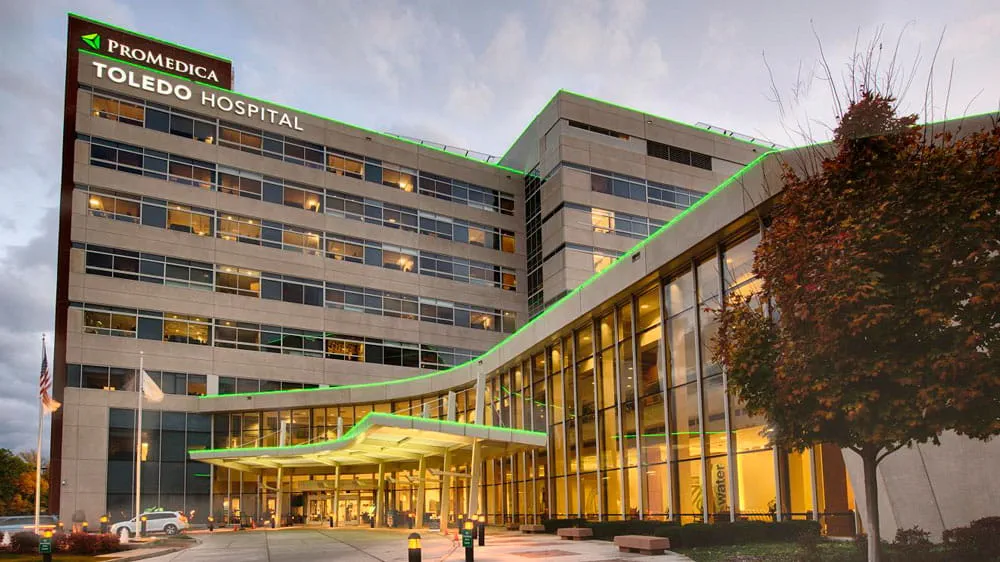
Toledo
Heart Rhythm Center
Discover what ProMedica Toledo Hospital Heart Rhythm Center has to offer.

ProMedica Physicians Monroe Cardiology
Click here to learn about the services we offer. Get driving directions, contact information, operating hours and more.
ProMedica Physicians Monroe Cardiology - Amin
Click here to learn about the services we offer. Get driving directions, contact information, operating hours and more.
ProMedica Physicians Cardiology - Monroe
Click here to learn about the services we offer. Get driving directions, contact information, operating hours and more.
ProMedica Physicians Cardiology - Toledo
Click here to learn about the services we offer. Get driving directions, contact information, operating hours and more.
ProMedica Physicians Cardiology - Fremont
At ProMedica Physicians Cardiology Fremont, our board-certified experts deliver comprehensive heart care. Schedule with us for innovative treatments and personalized service.
ProMedica Physicians Cardiology - Bowling Green
Experience top-tier heart care at ProMedica Physicians Cardiology. Our expert team in Bowling Green offers comprehensive services and innovative treatments. Schedule your appointment today.
Related Services & Conditions
Electrophysiology
Electrophysiologists are specialty trained cardiologists who treat abnormal or irregular heart rhythms in our state-of-the-art Heart Rhythm Center.
Structural Heart Disease
Structural heart disease experts treat a variety of conditions inside your heart, including damage and flaws in your heart's valves, walls and chambers.
Heart Surgery
From minimally invasive to traditional open procedures, we offer a full range of surgical services for your heart condition.
Heart Attack
A heart attack happens when heart muscles are damaged by a lack of blood. When the worst happens, you need leading-edge care for this life-threatening emergency.