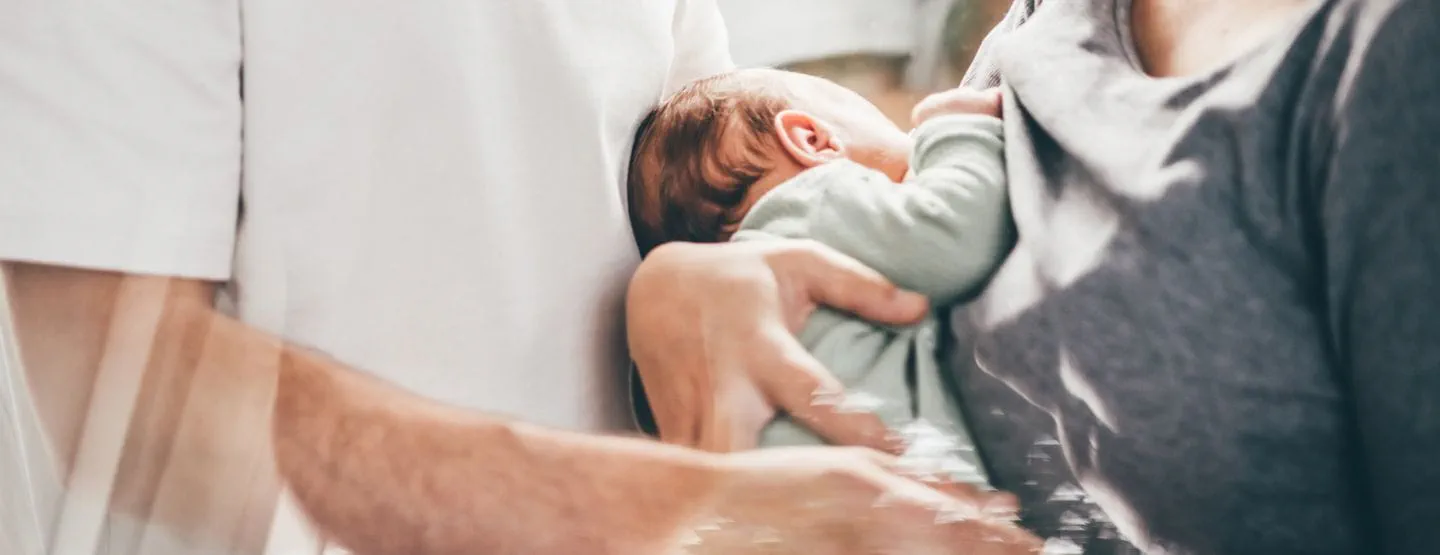
The weeks and months after childbirth are often filled with joy, exhaustion and big adjustments. While much of the focus tends to be on pregnancy and labor, postpartum health is just as important — and it’s about much more than physical recovery alone.
“Postpartum is more than just a healing body,” says Bridget McLaughlin, APRN-CNM, a certified nurse midwife with ProMedica. “It’s healing emotionally, learning about your baby, learning how to be a parent, and figuring out what support looks like for you and your family.”
Understanding what to expect — physically, mentally and emotionally — can help new parents feel more prepared, supported and confident during this life‑changing time.
What Postpartum Health Really Means
Physical healing is a key part of postpartum recovery, but emotional well‑being, mental health and support systems also play a major role.
“There’s so much happening. Your body is healing, your hormones are shifting and you’re learning a whole new role,” Bridget explains. “And for some people, their birth story didn’t go as planned. That can bring trauma or grief that also needs to be addressed.”
Postpartum health is truly about caring for the whole person and the whole family unit — not just recovering from delivery.
What To Expect During Physical Postpartum Recovery
A “normal” postpartum recovery looks different for everyone, but there are common physical changes many people can expect in the weeks following birth.
After a vaginal birth, it’s normal to experience tenderness, bruising and soreness with sitting, standing and walking. Swelling may even increase before it gets better from shifting fluids in the body.
As breast milk comes in, many people experience engorgement and increased appetite. Some also experience temporary bladder leakage or weakness in the pelvic floor.
“There are really good options now, like pelvic floor physical therapy, to help women rebuild strength and reduce symptoms,” Bridget says. “But it’s important to remember that healing takes time.”
Postpartum care also includes education around bleeding patterns, blood clot warning signs, breastfeeding changes, appetite shifts and when menstrual cycles may return. Fertility can return sooner than many people expect, so conversations about family planning and birth control are also part of postpartum care.
Postpartum Warning Signs That Need Medical Attention
While many symptoms are normal, some signs warrant immediate medical attention.
Bridget says the following symptoms warrant an immediate provider visit with postpartum patients and their support person:
- Severe headaches or vision changes that don’t improve
- Chest pain, shortness of breath or leg pain that could indicate a blood clot
- Fever, flu‑like symptoms, foul-smelling vaginal discharge or signs of infection
- Heavy bleeding that soaks a pad in an hour or passing large clots
“If something doesn’t feel right, don’t wait,” Bridget emphasizes. “It’s always better to be checked right away.”
How Hormonal Changes Affect Mental Health After Childbirth
After a baby is born, hormone shifts are rapid and profound, affecting estrogen, progesterone, cortisol, oxytocin and other hormones that influence mood, sleep and emotional regulation.
“These shifts can be especially challenging for women who already have anxiety, depression or mood disorders,” Bridget says.
It’s common to experience temporary “baby blues,” which may include tearfulness or mood swings in the first week or two postpartum. However, symptoms that worsen or don’t improve by week three may signal postpartum depression (PPD) or anxiety.
“It’s when things don’t get better — when you’re not sleeping, you’re not eating, you’re withdrawing or feeling unable to care for yourself or your baby — that’s when we get very concerned,” Bridget explains. “That’s when it’s important to reach out.”
Why Asking for Help Is Part of Postpartum Healing
One of the biggest challenges new parents face is balancing care for a newborn while trying to care for themselves — especially for parents who don’t have strong social support systems.
“There’s often this expectation that women need to do everything,” Bridget says. “But it’s OK to ask for help. It’s OK to rest. It’s OK to accept meals or take a shower while your baby sleeps.”
Support may come from family, friends, local support groups or health professionals. Medicaid‑covered services like doulas, lactation support and home visits may also be available.
“It’s OK to be vulnerable,” Bridget says. “People are there to support you. Our goal is to keep you healthy and safe and that includes your mental health.”
Find Local Support Through the ROSE Program
If you're giving birth at ProMedica Monroe Regional or Charles and Virginia Hickman hospitals, you have access to additional support through the ROSE Program (Reach Out, Stay strong, Essentials for mothers of newborns). The free program is designed to help expecting and new parents navigate the transition to motherhood.
The program includes five sessions — four held during pregnancy and one postpartum — with weekly options available both virtually and in person at Monroe Regional Hospital and the Ebeid Center at Comstock in Adrian, Michigan.
Participants gain education and tools related to:
- Postpartum depression and emotional health.
- Managing the transition to parenthood.
- Navigating relationship changes.
- Self‑care strategies.
- Assertiveness and goal‑setting.
Programs like ROSE help normalize postpartum challenges and provide early education and connection — both of which can make a meaningful difference.
When To Talk to Your Provider About Postpartum Concerns
One of Bridget’s most important messages to new parents is simple: Speak up early.
“Don’t wait at home suffering,” she says. “This isn’t something you’ve done wrong. It’s something your body and mind are going through, and there is help.”
Even if you’re scheduled for a routine postpartum checkup, you should call your doctor sooner if something doesn’t feel right. Your care team is there to support both your physical recovery and your mental health.
Reaching out, whether at six weeks postpartum or sooner, can help ensure both physical recovery and emotional well‑being stay on track.
Bridget McLaughlin, APRN-CNM
Bridget is a certified nurse midwife with ProMedica Physicians. She practices at Bay Park Women’s Health in Oregon, Ohio, and ProMedica Physicians Women’s Health in Monroe, Mich. View her profile.
Subscribe to Our ProMedica Newsletter
Looking for inspiration on how to improve your health and well-being? Get trustworthy health news, wellness tips and inspirational patient stories delivered to your inbox twice a month with our free ProMedica newsletter.