A heart attack is a life-changing event. Whether it happens to you or a loved one, it's natural to feel overwhelmed. That's where we come in.
Our expert and compassionate team will guide your every step. From helping you understand why it happened to walking you and your family through what comes next, we'll be by your side. Informing. Supporting. Caring.
Heart Attack Care at ProMedica Toledo Hospital
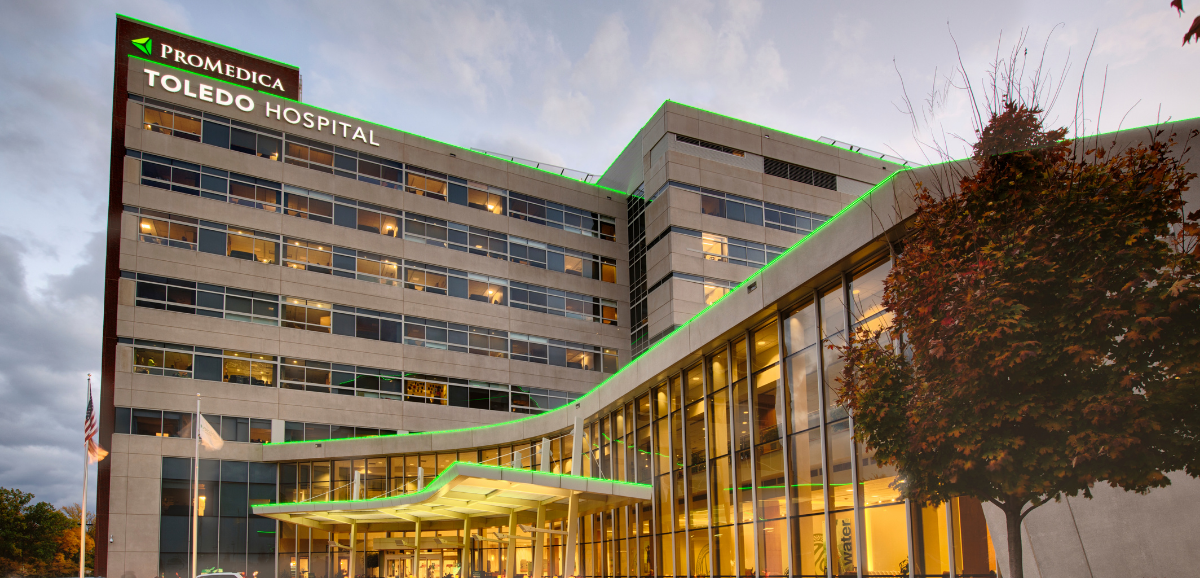
ProMedica Toledo Hospital is the only hospital in the region with a cardiologist on site 24 hours a day, seven days a week. 24/7 Cardiology allows patients who come to Toledo Hospital, at any time day or night, with symptoms of a heart attack to see a cardiologist when needed.
Having a cardiologist on site can help a patient receive an accurate diagnosis and life-saving treatment immediately, which is pretty important because surviving a heart attack depends greatly on receiving treatment as soon as possible.
Board-certified cardiologists from ProMedica Physicians Cardiology are on site to provide the care patients need, which improves community access to quality heart care.
In addition to having a cardiologist on site 24/7, Toledo Hospital also has a full range of cardiac diagnostics, interventional cardiac labs, electrophysiology labs, a coronary intensive care unit and the region's most experienced cardiothoracic surgeons.
All other ProMedica emergency departments are connected to a ProMedica Toledo Hospital cardiologist 24/7 to give patients faster access to more advanced care. Because quick, expert diagnoses can lead to life-saving results. We are the region's most experienced heart-care team.
Understanding Heart Attacks
What is a heart attack?
Think of a heart attack as a plumbing problem. When your arteries are clear, blood flows easily through your body. However, when something interrupts the flow of blood to your heart, it causes heart tissue to die (a heart attack). It can also affect how well your heart pumps in the future.
The most common cause of heart attack is coronary artery disease (CAD). With this condition, fatty deposits called plaque build up inside the arteries that supply oxygen-rich blood to your heart muscle.
If plaque restricts your blood flow, or part of it breaks off and forms a clot that blocks blood flow, your heart won't get the oxygen it needs. This can result in chest pain called angina or in a heart attack.
What are the symptoms of heart attack?
Identifying heart attack symptoms can be tricky. The sudden, overwhelming symptoms portrayed in movies don't always happen: They vary from person to person, and between men and women. Being aware of these signs can mean getting help for you or your loved one when every second counts, and can be life-saving:
- Chest discomfort that can feel like pressure, squeezing, fullness or pain. This can last for several minutes, or go away and come back.
- Cold sweat, nausea, vomiting or lightheadedness.
- Shortness of breath, which can happen before or during your chest discomfort.
- Upper body discomfort in one or both arms or in your back, neck, jaw or stomach.
- For women, heart attack symptoms often don't include crushing chest pain or discomfort. Rather, women tend to have discomfort in one or both arms, their back, neck, jaw or stomach.
Only 27% of people are aware of the major signs of a heart attack.
How do I lower my risk for a heart attack?
Take these healthy steps to strengthen your heart and lower your heart attack risk:
- Be active. Any physical activity will benefit your heart. Exercise increases blood circulation, improves your energy and helps you manage stress. It also helps control your weight.
- Control your blood pressure. A normal blood pressure lessens the strain on your heart and minimizes your risk.
- Eat healthy foods. Load up on fruits, vegetables, whole grains, nuts, lean meats, fish and healthy oils – and bake, broil, poach or grill your foods. Limit red meat, salt, and packaged foods.
- Know your family history. If you have a family history of CAD or heart attack, you may be at increased risk yourself. Discuss any family history of these conditions with your doctor.
- Limit your alcohol intake. Consuming alcohol can raise your blood pressure, increase your weight and sometimes cause heart conditions such as irregular heart beat, cardiomyopathy and stroke.
- Maintain a healthy weight. Excess weight is linked to the hardening of your arteries, which increases your risk for heart attack. Maintaining a healthy diet and weight can decrease your risk.
- Reduce stress. Ongoing or severe bouts of stress can increase your heart rate, blood pressure and your body's demand for oxygen – all of which can affect your heart.
- Stop smoking. You'll breathe easier. Your food will taste better. You'll feel better mentally and physically – and you'll reduce your heart attack risk significantly. Learn more about ProMedica's smoking cessation programs.
- Take your heart medication. Staying on schedule with any prescribed heart medications is important. Make sure you're taking the right dose, at the right times. It's also a good idea to carry an up-to-date list of all your medications with you, including your prescribed medicines as well as over-the-counter ones you take often.
- Schedule routine check-ups. Seeing your primary care provider at least once a year will help you maintain an overall healthy lifestyle and will help identify any potential heart issues.
Our compassionate team is ready to support your journey to whole health, whether you are working to prevent a heart condition, lower your risk for heart attack, manage an existing heart condition or heal from a cardiac event. We have everything you need to accomplish your goals and stay healthy.
How can I help someone with heart attack symptoms?
Call 911 right away at the first sign of any heart attack symptoms.
Though waiting for an ambulance can be stressful, avoid the temptation to drive to the emergency department instead of calling 911. The ambulance will have emergency medical personnel who can provide life-saving treatment at the scene. They can also inform doctors in the emergency department about important details before arrival at the hospital, so they'll be prepared with the best treatments.
While you wait for an ambulance, you can have the symptomatic person chew a regular-strength (325mg) aspirin if you have any available. Aspirin is an anticoagulant and can help prevent blood clots.
Call 911 at the first sign of any heart attack symptoms. Don't hesitate. Every second counts.
What is life like after a heart attack?
You can go on living a full, active life after a heart attack. And ProMedica will guide you step by step through your journey to find your new normal. You'll make healthy changes. You'll be aware of a few limitations. But mostly, you'll feel great because you'll be a healthier, happier you after making that commitment to your heart.
If you've had a heart attack, you may be referred to cardiac rehabilitation to help you recover. A team of experienced professionals will help you develop an individualized care plan.
Featured Locations
ProMedica Physicians Monroe Cardiology
Click here to learn about the services we offer. Get driving directions, contact information, operating hours and more.

Defiance
Sam Hornish Family Heart Center
Discover what ProMedica Defiance Regional Hospital Sam Hornish Family Heart Center has to offer. Read FAQs and register.
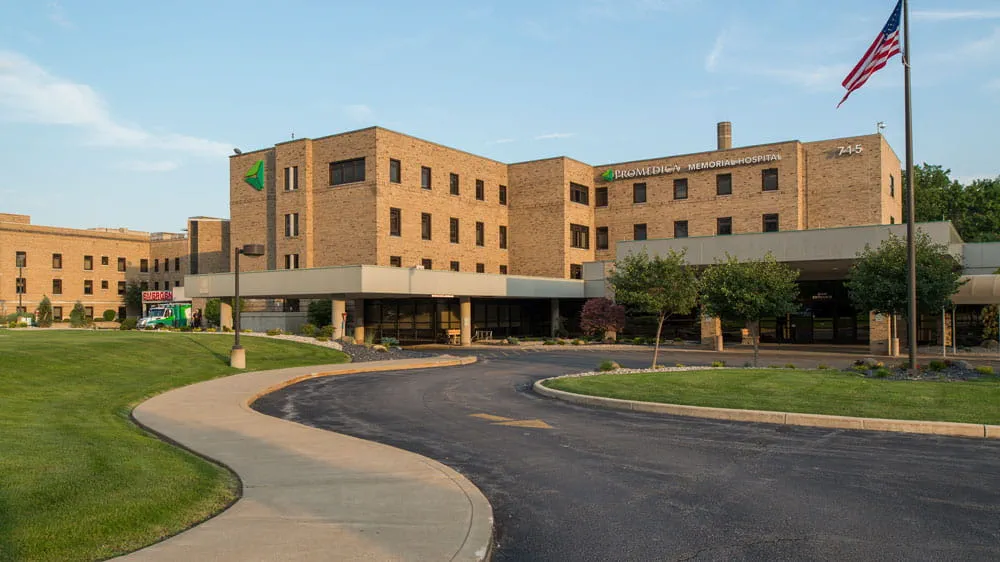
Fremont
Cardiac Rehab
Discover what ProMedica Memorial Hospital Cardiac Rehab has to offer.
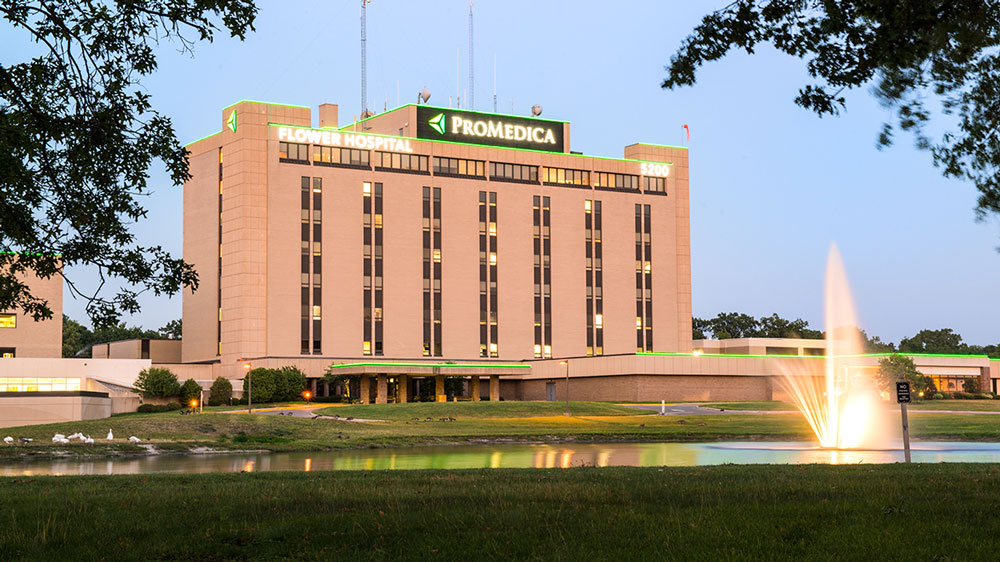
Sylvania
Cardiac Rehab
Discover what ProMedica Flower Hospital Cardiac Rehab has to offer.
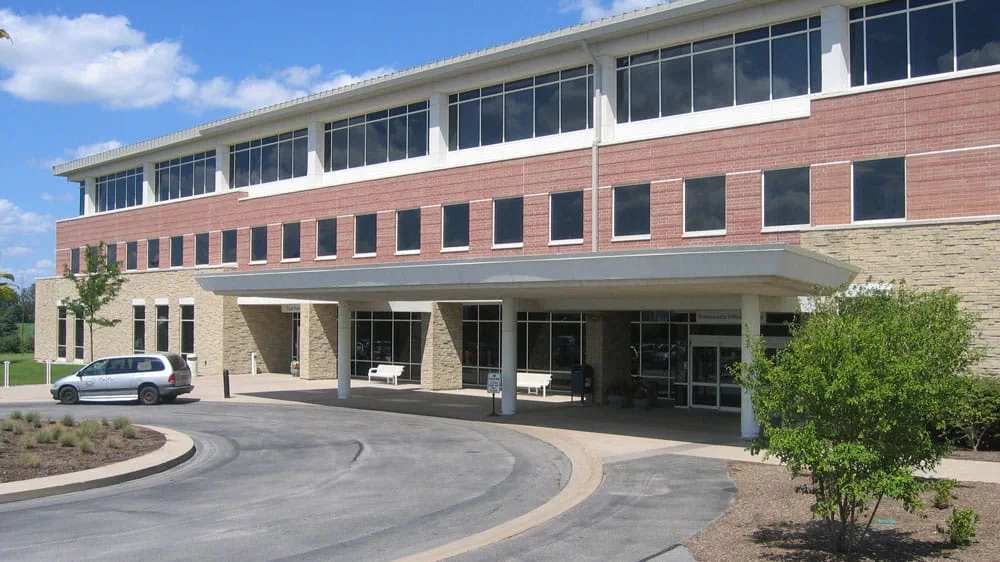
Oregon
Cardiac Rehab
Discover what ProMedica Bay Park Hospital Cardiac Rehab has to offer.
Monroe
Cardiac Rehab
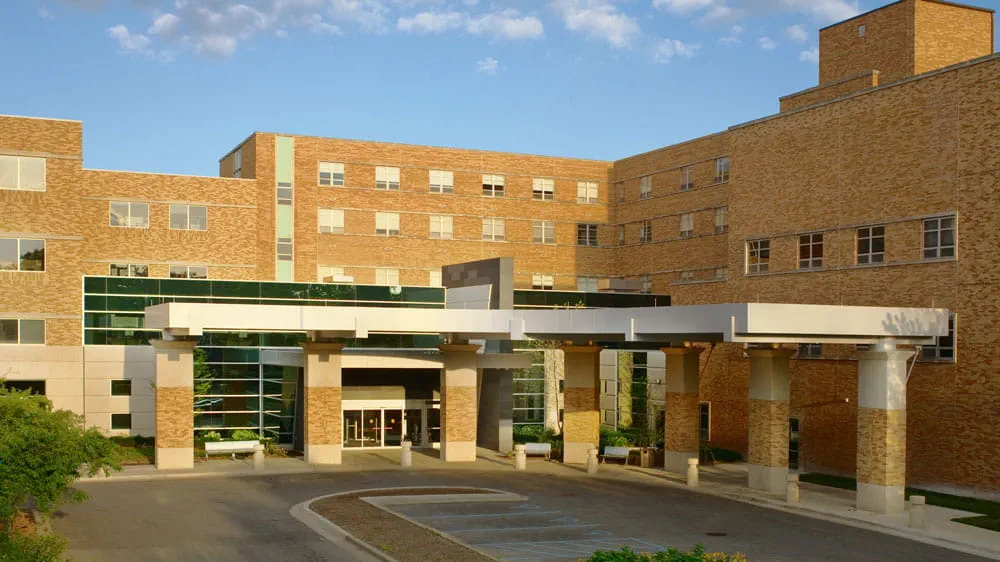
Discover what ProMedica Monroe Regional Hospital Cardiac Rehab has to offer.

Fostoria
Cardiac Rehab
Discover what ProMedica Fostoria Community Hospital Cardiac Rehab has to offer.
Adrian
Cardiac Rehab
Discover what ProMedica Charles and Virginia Hickman Hospital Cardiac Rehab has to offer.
ProMedica Physicians Monroe Cardiology - Amin
Click here to learn about the services we offer. Get driving directions, contact information, operating hours and more.

Defiance
Cardiac Rehab
Discover what ProMedica Defiance Regional Hospital Cardiac Rehab has to offer.
ProMedica Physicians Pediatric Cardiology - Toledo
Discover expert pediatric cardiology at ProMedica in Toledo. Our family-centered approach ensures personalized care for your child's heart health.
ProMedica Physicians Cardiology - Monroe
Click here to learn about the services we offer. Get driving directions, contact information, operating hours and more.
Related Services & Conditions
Heart Surgery
From minimally invasive to traditional open procedures, we offer a full range of surgical services for your heart condition.