Comprehensive Care from Expert Neurologists
Our neurologists are part of ProMedica Neurosciences Institute. An award-winning team that combines academics, research, prevention, screening and treatment. They provide leading-edge neurological care, close to home at the Neurosciences Center.
Through your neurologist, you’re also connected to a wide variety of specialists and therapies. You can feel confident in your care team, knowing you have access to the experts and treatments you need.
Diagnosing Multiple Sclerosis
Multiple sclerosis is an autoimmune disease in which your immune system attacks myelin, the covering that protects your nerves. This damage to myelin disrupts information flow both within your brain and between your brain and the rest of your body. These nerves deteriorate, which is an irreversible condition.
Signs and Symptoms of MS
People with MS usually experience their first symptoms between the ages of 20 and 40. Signs and symptoms of MS vary, depending on the extent of nerve damage and which nerves are affected.
Some people with MS experience blurred vision, loss of balance, poor coordination, extreme fatigue and numbness, or other neurological symptoms such as cognitive decline. MS is a degenerative disease, meaning the symptoms will get progressively worse over time.
How MS is Diagnosed
Unfortunately, there’s no single test to diagnose multiple sclerosis. Our neurologists use a combination of findings to make a diagnosis. This often includes:
- A neurologic exam.
- A thorough review of your medical history and symptoms.
- A blood test to rule out other conditions.
- An MRI to examine the brain and spinal cord.
- A spinal tap to check for an abnormal immune response in cerebrospinal fluid.
Once you are diagnosed with MS, your neurologist will work quickly to find the right treatment for you.
Reduce Your Symptoms, Right from the Start
Our goal is to reduce your symptoms as soon as possible, and prevent the advancement of MS. Relapsing remitting multiple sclerosis (RRMS) is the most common form of MS. Each time an individual with RRMS has an “MS attack” or “flare up,” they risk permanent advancement of the disease.
That’s why our neurologists recommend higher-efficacy medications right from the start. These evidence-based treatments have been shown to change the trajectory of MS.
Finding the Right Multiple Sclerosis Treatment for You
We believe in involving patients in their care and treatment plan. We’ll look at your MRI images together and discuss how MS affects your central nervous system, which includes the brain and spinal cord. We’ll talk about how the disease may affect your life now and in the future.
Unfortunately, there is no cure for multiple sclerosis, but there are various treatments. Our treatment recommendations will depend on several factors. These include your age, overall health and the type of MS you have. We often offer patients a few medications to review and consider.
In addition, we may recommend:
- Physical therapy.
- Speech therapy.
- Occupational therapy.
- Botox for spasticity treatment.
- Infusion therapy.
- Referrals to specialists (e.g., a urologist for bladder problems).
- Clinical trials to consider.

We encourage every patient to bring a list of questions to visits so that we can answer your questions and address your concerns. Whether you’re recently diagnosed or have been living with MS for years, we’re here to help you every step of the way.
Connecting You to Resources and Support
The National Multiple Sclerosis Society has wonderful resources for those living with MS. We’ll help connect you to their resources as well as one of their MS navigators, if you’re interested. Our social worker can also help you and your family connect with local services and resources.
Featured Locations

ProMedica Physicians Adult Neurology
Click here to learn about the services we offer. Get driving directions, contact information, operating hours and more.
Northwest Ohio Hemophilia Center
Welcome to Northwest Ohio Hemophilia Center Toledo, Ohio. Get driving directions, hours of operation, learn about treatment and therapies and more.
ProMedica Physicians Neurology - Multi-Specialty Care
Click here to learn about the services we offer. Get driving directions, contact information, operating hours and more.
ProMedica Physicians Neurology - Fremont
Click here to learn about the services we offer. Get driving directions, contact information, operating hours and more.
ProMedica Physicians Neurology - Hasan
Click here to learn about the services we offer. Get driving directions, contact information, operating hours and more.
ProMedica Physicians Neurology - Adrian
Click here to learn about the services we offer. Get driving directions, contact information, operating hours and more.
ProMedica Physicians Neurology - Monroe
Click here to learn about the services we offer. Get driving directions, contact information, operating hours and more.
ProMedica Physicians Neurology - Szymanski
Click here to learn about the services we offer. Get driving directions, contact information, operating hours and more.
ProMedica Physicians Neurology - Toledo
Click here to learn about the services we offer. Get driving directions, contact information, operating hours and more.
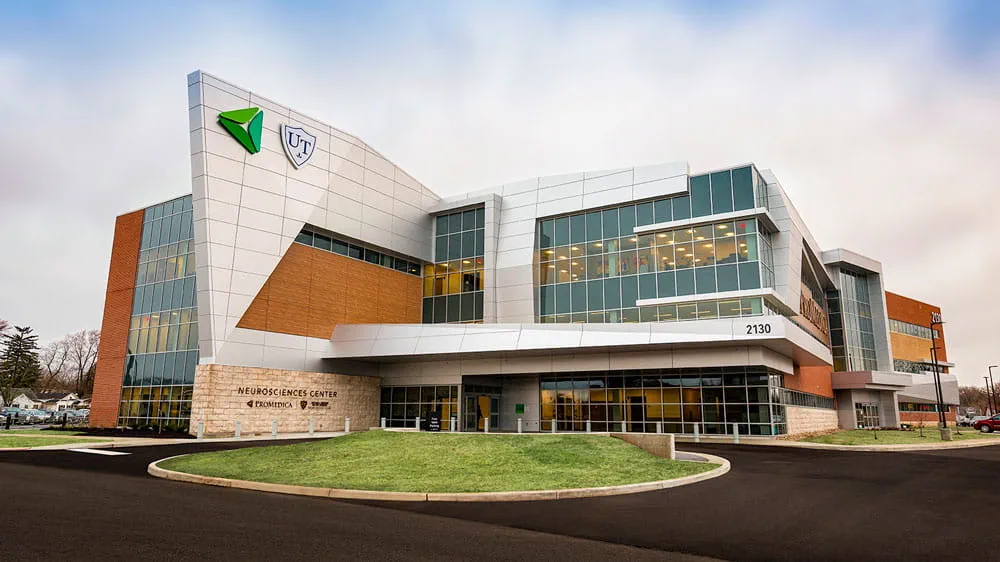
Neurosciences Center
Welcome to Neurosciences Center Toledo, Ohio. Get driving directions, hours of operation, learn about treatment and therapies and more.
Related News & Stories

Experiences
Allison’s Story: Navigating Postpartum with an MS Diagnosis
In the throes of postpartum, Allison began experiencing some alarming symptoms that led to an unexpected diagnosis of MS.

Health Conditions
The Surprising Risk Factors for Multiple Sclerosis
While the cause of MS is unknown, there are environmental and genetic factors that are believed to be associated with this disease.
Related Services & Conditions
ProMedica Neurosciences Institute
ProMedica's award-winning team of neurology experts includes board-certified neurologists and neurosurgeons. We're here to help you live better when you're facing a neurological condition, with expert care focused on…