You know you need to take care of your bones. But your lifestyle choices, illness and occupation can take a toll. Learn about common bone conditions, including osteoporosis.
About Osteoporosis
Osteoporosis is the thinning of bone tissue and loss of bone density, most often experienced by women, over time. Osteoporosis affects close to 32 million American women over 50, and nearly 2 million men between 50 and 70 years old.
How does osteoporosis affect you?
As osteoporosis progresses, the bones become more and more brittle. Thinner bones lead to fractures and broken bones, and thin bones are harder to heal. In extreme cases, your bones can be so fragile that bumping into a piece of furniture can cause a fracture. Osteoporosis can also decrease your height and put stress on your back.
What causes osteoporosis?
Menopause is one of the primary causes of osteoporosis in women. The female hormone estrogen protects women's bones. During menopause this hormone decreases sharply. Some women lose up to 20% of their bone mass during menopause.
But men with certain conditions are at risk too. Cystic fibrosis, asthma, low testosterone levels, and chronic obstructive pulmonary disease can all lead to osteoporosis in men. Alcohol abuse and tobacco usage lead to significant damage to your bones, for both men and women.
Are you at risk?
Talk to your doctor about a bone density test if you answer yes to any of the following questions:
- Are you over the age of 65?
- Do you have a history of bone fractures as an adult or do you have a close relative with a history of bone fractures?
- Do you have a family history of osteoporosis?
- Did you have an early menopause or removal of your ovaries?
- Do you smoke?
- Do you have a small-boned, thin body frame?
- Are you physically inactive?
- Are calcium-rich foods, like dairy or leafy green vegetables, limited in your diet? Have you been told you're vitamin D deficient?
- Do you consume alcohol on a regular basis?
- Are you on certain medicines, such as steroids or anticonvulsants?
How can you prevent osteoporosis?
Regular exercise and a diet rich in calcium and vitamin D strengthen your bones and prevent damage from osteoporosis. If you're over the age of 50, you should get 1,500 milligrams of calcium and 1,000 milligrams of vitamin D daily. Foods like eggs, cheese, low-fat milk, fish and leafy vegetables are good sources of both calcium and Vitamin D. Spending 20 to 25 minutes in the sun is also a beneficial way to get vitamin D.
The most common test for osteoporosis is the dual X-ray absorptiometry (DXA or DEXA) test. This measures your bone density using X-ray imagery. Ask your doctor about an osteoporosis bone screening to detect osteoporosis early.
Other Bone Conditions
Other bone conditions include:
- Acromegaly. Excess growth hormone production causes bones in the face, hand and feet to grow too large.
- Cancer. Common bone cancers include leukemia, osteosarcoma, Ewing sarcoma, malignant fibrous histiocytoma, and chondrosarcoma.
- Fibrous dysplasia. This causes swelling and abnormal growth of bones of the skull, face, ribs, upper arms, pelvis, thighs and shins.
- Heel spurs. Calcium deposits that form on the base of the heel bone.
- Osteogenesis imperfecta. This genetic disorder interrupts the production of collagen, which weakens your bones.
- Osteomalacia. A defect in the way your body processes vitamin D causes weak and abnormal bones.
- Osteomyelitis. This bacterial infection of bone requires antibiotics and sometimes surgery.
- Paget's disease. Malfunction in the cells that repair your bones cause thick and enlarged, but brittle, bones.
- Perthes' disease. The head of a child's femur (thigh bone) deteriorates because of a lack of blood supply.
- Rickets. This causes weak and easily fractured bones in children due to a lack of vitamin D.
Featured Locations
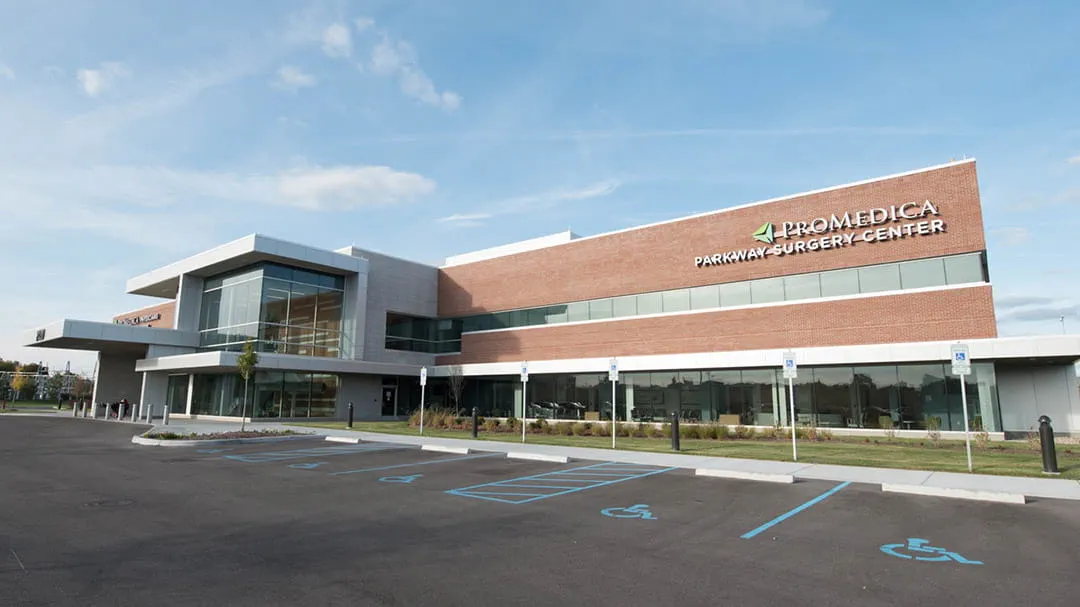
ProMedica Parkway Surgery Center
Welcome to ProMedica Parkway Surgery Center Toldeo, Ohio. Get driving directions, hours of operation, learn about treatment and therapies and more.
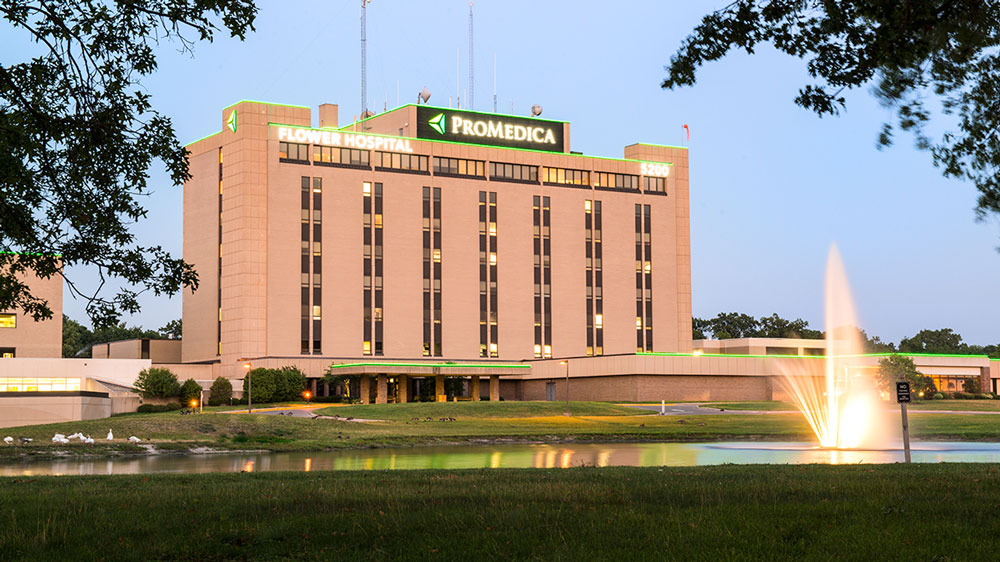
Flower Hospital
Surgery Center
Discover what ProMedica Flower Hospital Surgery Center has to offer.
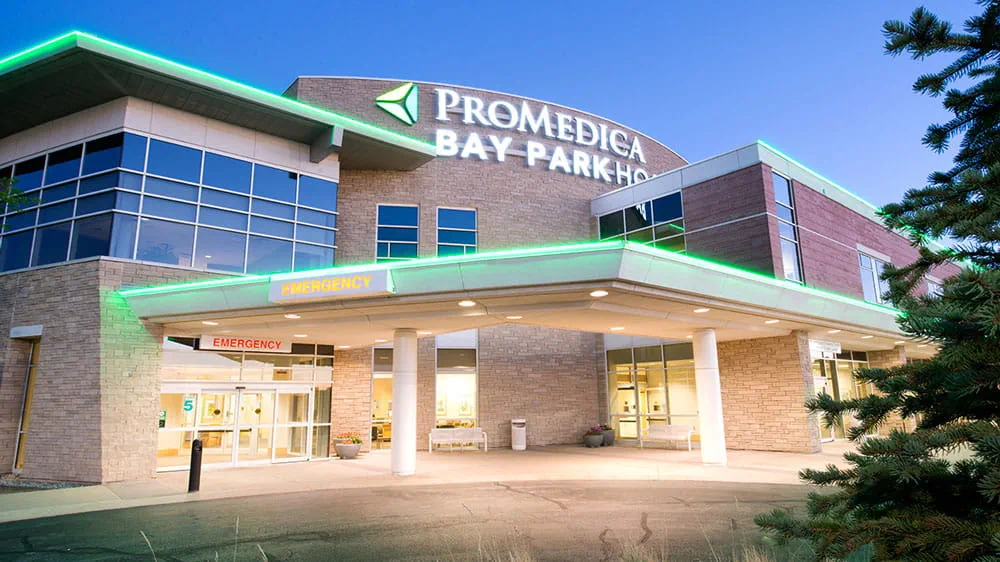
Bay Park Hospital
Surgery Center
Discover what ProMedica Bay Park Hospital Surgery Center has to offer.
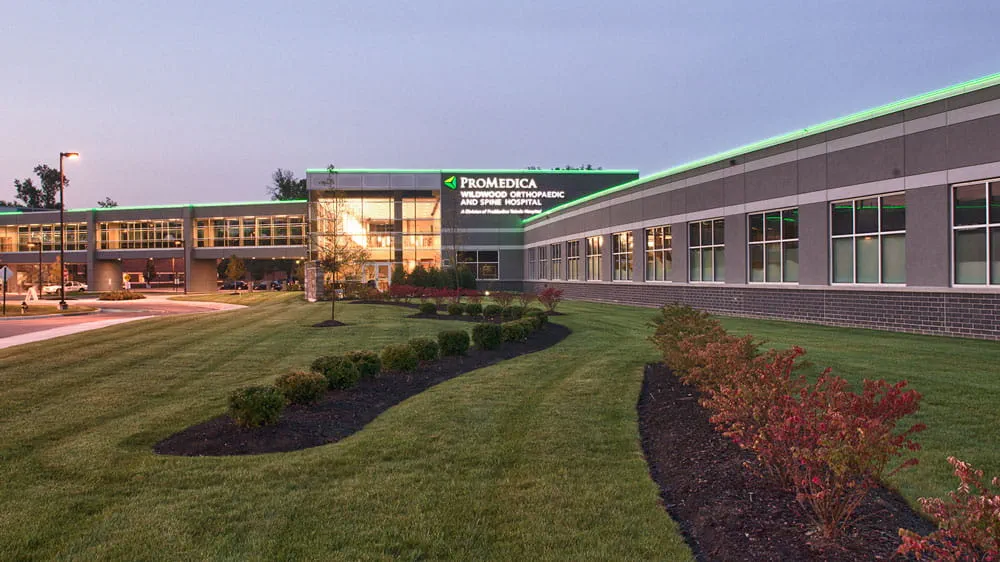
Toledo
ProMedica Wildwood Orthopaedic and Spine Hospital
ProMedica Wildwood Orthopaedic and Spine Hospital in Toledo, Ohio is the regions leading center for joint replacements and orthopaedic care.
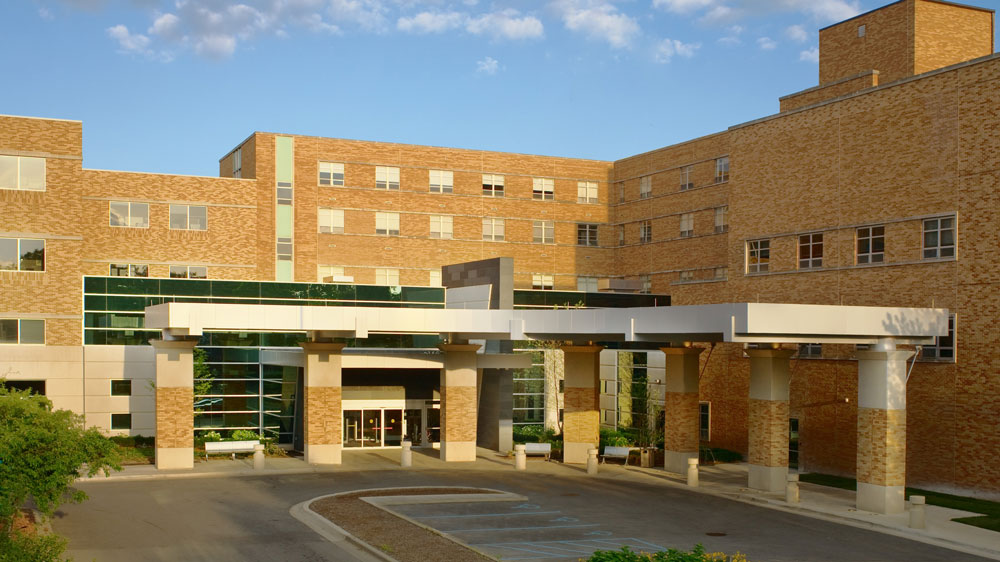
Monroe Regional Hospital
Surgery Center
Discover what ProMedica Monroe Regional Hospital Surgery Center has to offer.
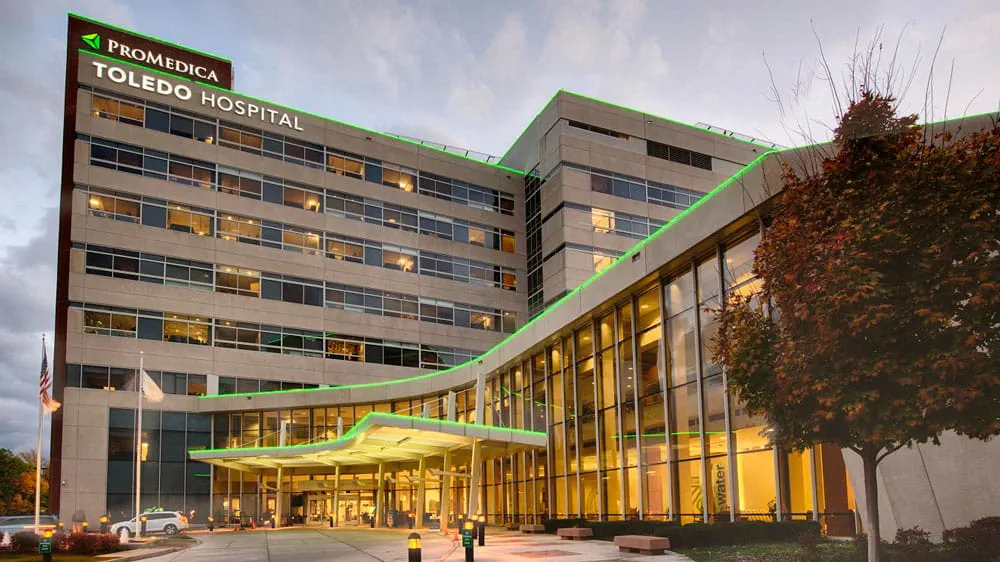
Toledo Hospital Surgery Center
Discover what ProMedica Toledo Hospital Surgery Center has to offer.
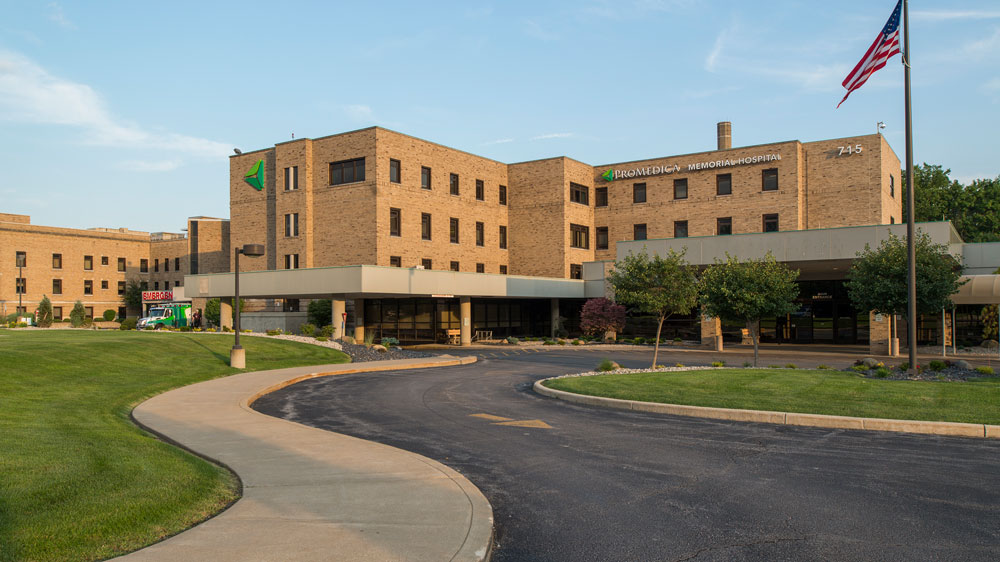
Memorial Hospital
Surgery Center
Discover what ProMedica Memorial Hospital Surgery Center has to offer.
ProMedica Physicians Beer Orthopaedics
Click here to learn about the services we offer. Get driving directions, contact information, operating hours and more.
ProMedica Physicians Orthopaedic Surgery - Sylvania
Discover compassionate orthopaedic care at ProMedica in Sylvania. Our expert team is committed to your health and well-being. Contact us for more information!
ProMedica Physicians Orthopaedic Surgery - Adrian
Discover compassionate orthopaedic care at ProMedica in Adrian. Our board-certified physicians are committed to your health and well-being.
ProMedica Physicians Defiance Orthopaedic Center
Click here to learn about the services we offer. Get driving directions, contact information, operating hours and more.
ProMedica Physicians Toledo Orthopaedic and Spine Surgeons
Discover personalized orthopaedic and spine care at ProMedica Physicians Toledo. Our dedicated team focuses on your health with trust and quality attention.
Related Services & Conditions
Orthopaedics
Don't let pain stop you from doing what you love. Our ProMedica Orthopaedics Institute specialists will create a plan to get you back to your life.