Whether you were born with a structural heart disease or developed a problem later in life, you can count on ProMedica's skilled and compassionate team for the best possible care. We'll work with you, your family and other specialists when needed, to ensure you get high quality, coordinated and personalized treatment.
Our Approach
The ProMedica Structural Heart Clinic is staffed by a team of expert cardiologists, cardiothoracic surgeons, cardiac anesthesiologists and cardiac imaging specialists — all dedicated to diagnosing and treating patients with structural heart disease.
Our multidisciplinary approach focuses on collaboration. This has made us the largest and most experienced structural heart team in the Toledo region. Together, we offer a wide range of structural heart therapies and provide patient care that’s tailored to you.
Your goal is our goal: We want to help you improve your heart health.
Understanding Structural Heart Disease
Structural heart disease is a general term used to describe conditions that involve damage to, or flaws in, the anatomy of the heart. It’s different from coronary heart disease, which is caused by plaque in the arteries. Common structural heart disease conditions include, but aren’t limited to:
- Aortic coarctation.
- Aortic dilatation or aneurysm.
- Aortic valve stenosis.
- Atrial septal defect (ASD).
- Hypertrophic obstructive cardiomyopathy.
- Left atrial occlusion.
- Mitral regurgitation (both degenerative and functional mitral regurgitation).
- Mitral stenosis.
- Paravalvular leaks.
- Patent foramen ovale (PFO).
Know the Risk Factors
Most types of structural heart disease can’t be prevented since it’s something you’re likely born with. However, you could be at increased risk for developing structural heart disease due to:
- Age: As you get older, you become more prone to heart conditions.
- Family history: Structural heart disease can run in families, and genetic factors can raise your risk.
- Previous heart issues: High blood pressure, rheumatic fever, atherosclerosis, ischemic heart disease, an earlier heart attack or congestive heart failure can damage the heart.
If your structural heart disease is the result of other cardiac problems, managing your existing health conditions can help prevent more damage to your heart.
Find Fast Accurate Diagnosis
Structural heart disease can be difficult to detect in adults, especially since most adult patients don’t seem to experience symptoms. If you do have symptoms, they would likely feel like:
- Chest tightness.
- Dizziness.
- Fatigue.
- Heart palpitations or flutters, skipping beats or racing heart beats.
- Trouble with exercise or day-to-day activities.
Diagnostic Tests
If you’re experiencing any of the symptoms of structural heart disease, your doctor may recommend a series of tests, including:
- A physical exam.
- An echocardiogram or ultrasound.
- A cardiac catheter of the heart.
- CT scan.
- MRI.
Get Effective Treatment
At ProMedica, we offer a full range of minimally invasive techniques to treat your structural heart condition.
Mitral Valve Clip
A minimally invasive procedure in which a clip is placed on your heart’s mitral valve to treat mitral regurgitation (a backflow of blood caused when the mitral valve doesn’t close tightly). For many patients, this procedure is a great alternative to open-heart surgery.
Transcatheter Aortic Valve Replacement (TAVR)
A minimally invasive procedure that uses a catheter to replace a diseased aortic valve.
WATCHMAN™
A one-time, minimally invasive procedure that may reduce stroke risk for a lifetime in people with atrial fibrillation (AFib) not caused by a heart valve problem.
The WATCHMAN is a device, about the size of a quarter, implanted into the heart via a minimally invasive, catheter-based approach and does not involve open heart surgery.
The WATCHMAN may be a great alternative for those who are not able or recommended to take blood thinners.
How does the WATCHMAN work?
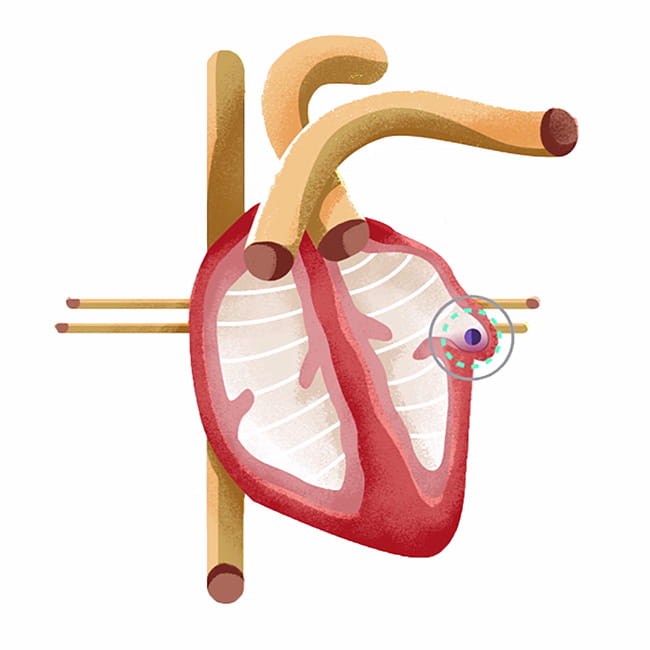
WATCHMAN fits into a part of your heart called the left atrial appendage (LAA), where 90% of stroke causing blood-clots are formed. WATCHMAN permanently closes off this part of your heart to keep those blood clots from escaping.
*WATCHMAN™ is a trademark of Boston Scientific Corporation or its affiliates.
Featured Locations
ProMedica Physicians Gbur Cardiology
Click here to learn about the services we offer. Get driving directions, contact information, operating hours and more.
Sylvania
Cardiac Rehab
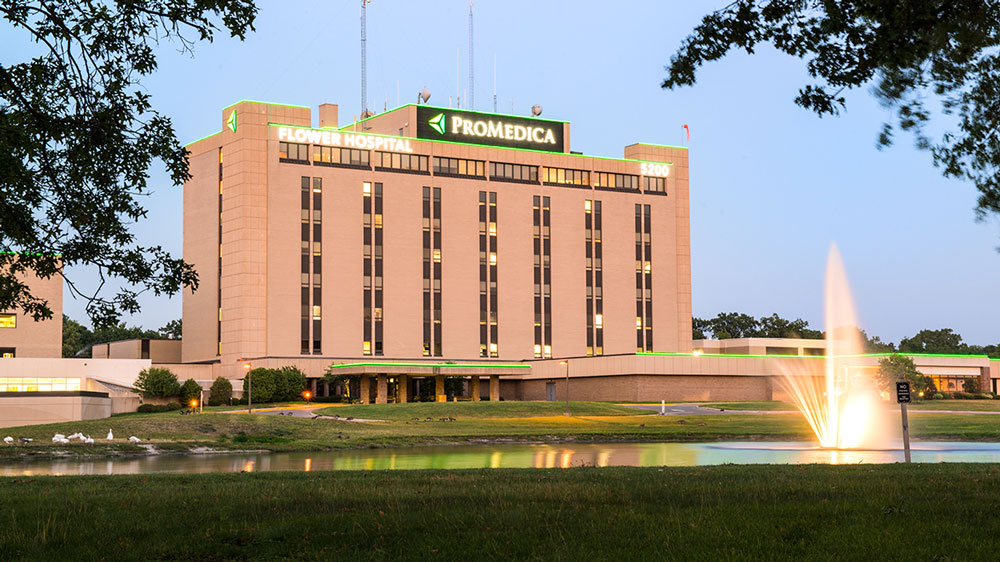
Discover what ProMedica Flower Hospital Cardiac Rehab has to offer.
Oregon
Cardiac Rehab
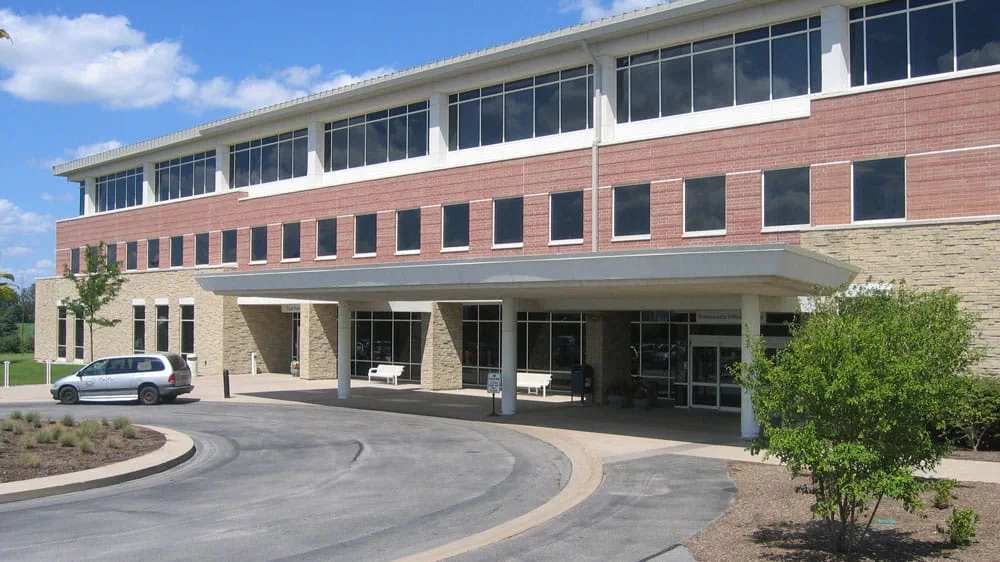
Discover what ProMedica Bay Park Hospital Cardiac Rehab has to offer.
Monroe
Cardiac Rehab
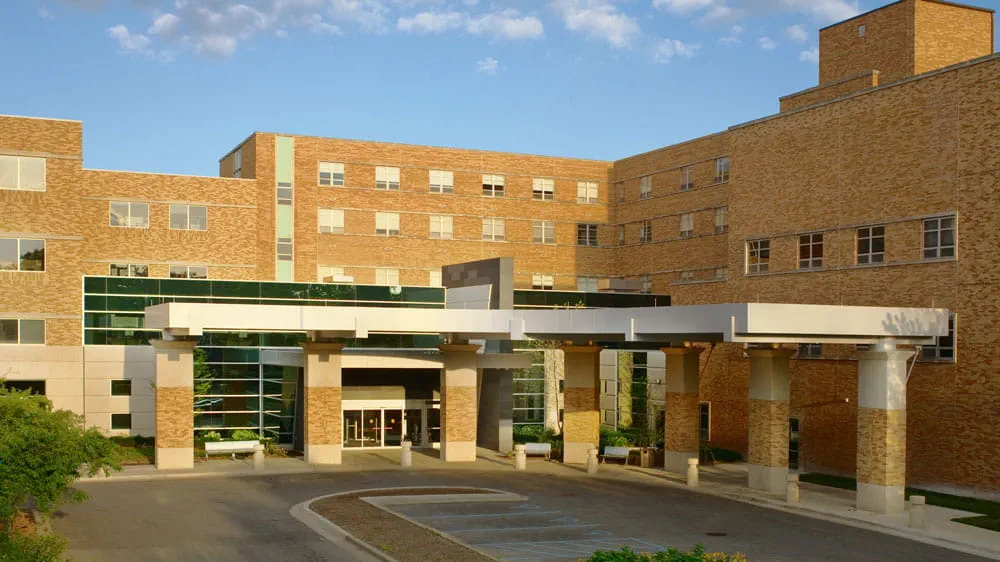
Discover what ProMedica Monroe Regional Hospital Cardiac Rehab has to offer.
Defiance
Cardiac Rehab
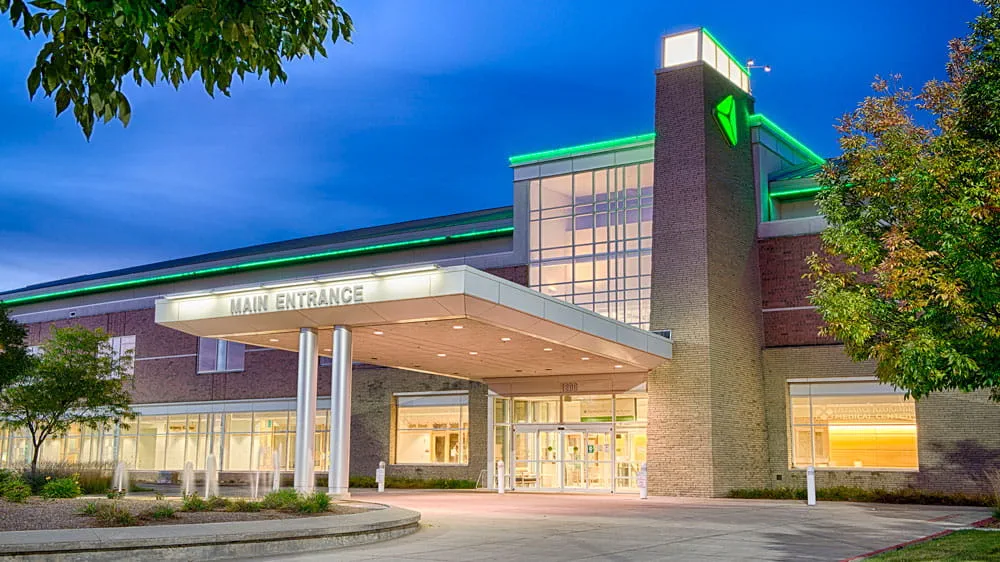
Discover what ProMedica Defiance Regional Hospital Cardiac Rehab has to offer.
Fostoria
Cardiac Rehab
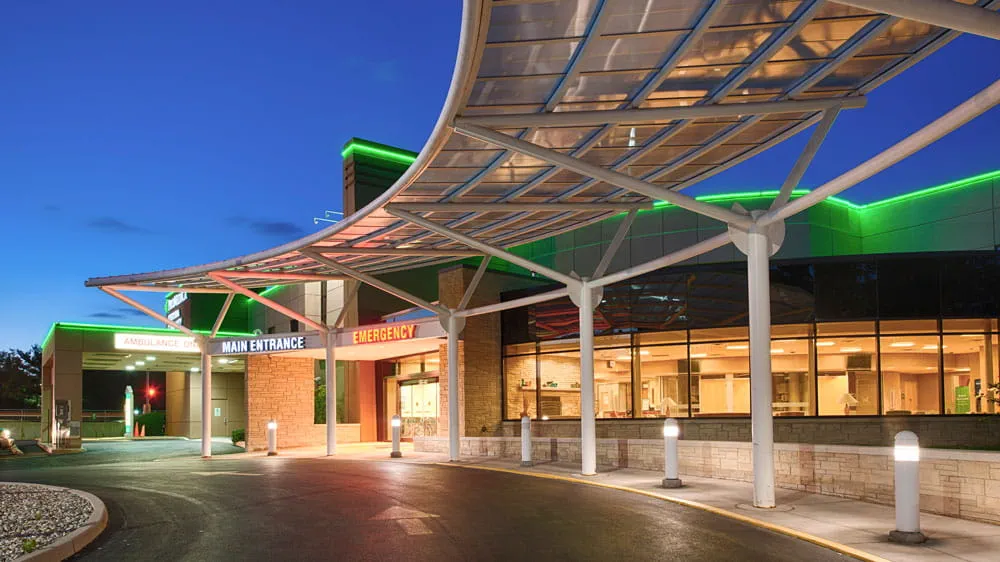
Discover what ProMedica Fostoria Community Hospital Cardiac Rehab has to offer.
Adrian
Cardiac Rehab
Discover what ProMedica Charles and Virginia Hickman Hospital Cardiac Rehab has to offer.
ProMedica Physicians Monroe Cardiology
Click here to learn about the services we offer. Get driving directions, contact information, operating hours and more.
ProMedica Physicians Cardiothoracic Surgeons
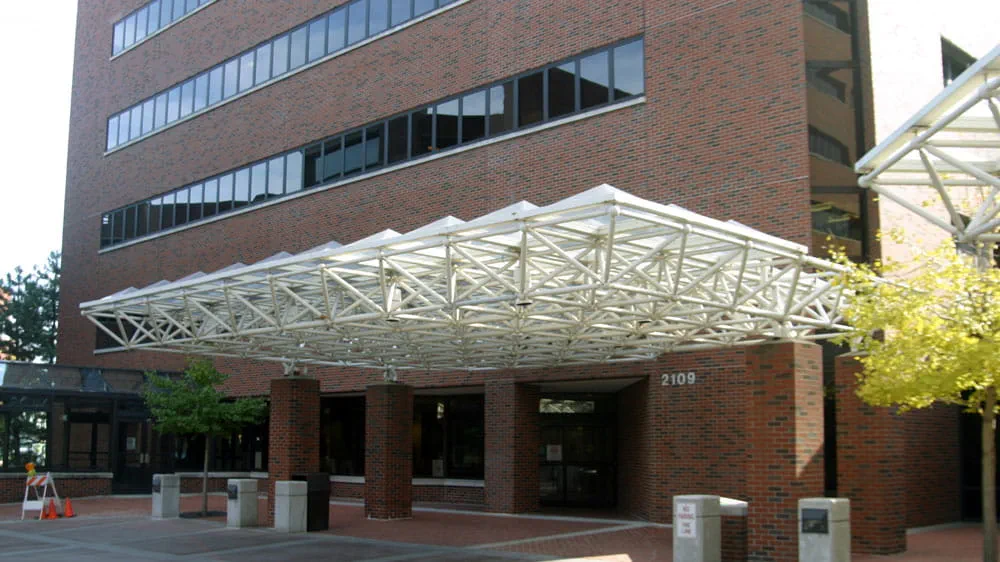
Discover expert cardiothoracic care in northwest Ohio. Our board-certified surgeons offer advanced heart and lung treatments, from open-heart to minimally invasive procedures.
ProMedica Physicians Monroe Cardiology - Amin
Click here to learn about the services we offer. Get driving directions, contact information, operating hours and more.
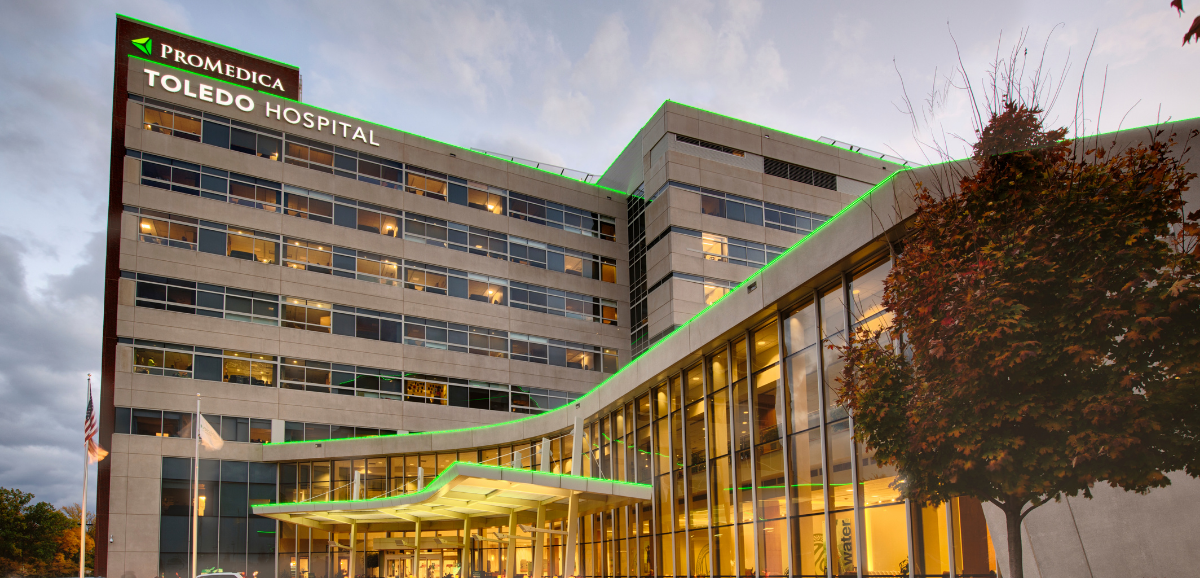
ProMedica Physicians Pediatric Cardiology - Toledo
Discover expert pediatric cardiology at ProMedica in Toledo. Our family-centered approach ensures personalized care for your child's heart health.
ProMedica Physicians Cardiology - Monroe
Click here to learn about the services we offer. Get driving directions, contact information, operating hours and more.
Related Services & Conditions
Atrial Fibrillation (AFib)
AFib is the most common heart rhythm problem, and can be treated. Our AFib specialists are here to help with cutting-edge technology and cardiac expertise.
Heart Attack
A heart attack happens when heart muscles are damaged by a lack of blood. When the worst happens, you need leading-edge care for this life-threatening emergency.
Heart Surgery
From minimally invasive to traditional open procedures, we offer a full range of surgical services for your heart condition.
Cardiothoracic Surgery
ProMedica's cardiothoracic surgeons are here to make sure you have access to the most advanced, state-of-the-art technology and surgical techniques to treat heart disease.