With the largest group of board-certified and fellowship-trained vascular surgeons in the area, the team at Jobst Vascular Institute stands ready to provide the high quality vascular surgery care at ProMedica Toledo Hospital and other ProMedica locations.
What is vascular surgery?
Vascular surgery focuses on the surgical treatment of disease in your circulatory system outside of your heart and brain. This includes your arteries, veins and lymphatic system:
- Arteries: Blood vessels that carry oxygenated blood away from the heart to the body.
- Veins: Blood vessels that carry blood from the body back into the heart.
- Lymphatic system: A network of vessels throughout the body that drains lymph fluid from tissues to maintain fluid balance and to clear byproducts of inflammation.
What vascular diseases do you treat?
Our vascular surgeons treat and manage acute and chronic vascular diseases including:
- Abdominal aortic aneurysm.
- Atherosclerosis.
- Blood clotting disorders.
- Carotid artery stenosis.
- Deep vein thrombosis (DVT) and pulmonary embolism.
- Dialysis access for patients with kidney disease.
- Lymphedema.
- Peripheral artery disease (PAD).
- Spider and varicose veins.
- Swollen legs.
- Venous and lymphatic diseases.
- Venous ulcers.
- Wound care.
Call us today at 800-39-JOBST (56278) to schedule an appointment.
What vascular surgery services are available?
Vascular surgery for vascular disease may be required and includes both open and endovascular repair:
- Angioplasty and stenting for peripheral artery disease (PAD).
- Arteriovenous Fistula formation.
- Atherectomy for peripheral artery disease (PAD).
- Carotid angioplasty and stenting.
- Carotid endarterectomy.
- Dialysis access.
- Endovascular repair of aortic aneurysm.
- Endovenectomy.
- Open bypass for peripheral artery disease (PAD).
- Open repair of aortic aneurysm.
- Thrombolysis for extensive deep vein thrombosis (DVT).
- Wound debridement.
When is vascular surgery recommended?
If the doctor suspects that a person may have decreased blood flow somewhere in the peripheral (arms, legs, and/or neck) circulation, vascular studies may be performed. Using these studies and other information, the surgeon will decide on the best course of treatment for the patient.
Featured Locations
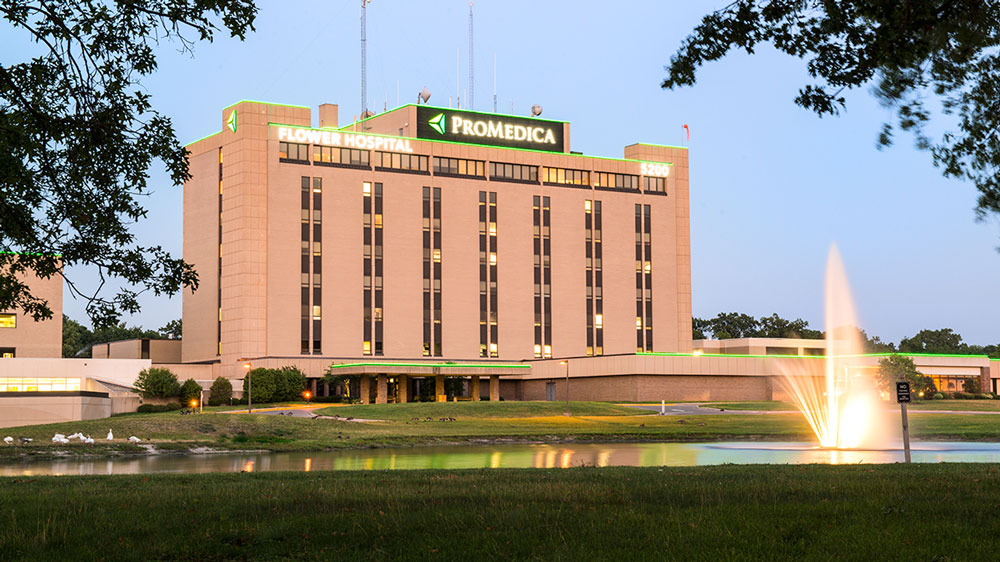
Flower Hospital
Surgery Center
Discover what ProMedica Flower Hospital Surgery Center has to offer.
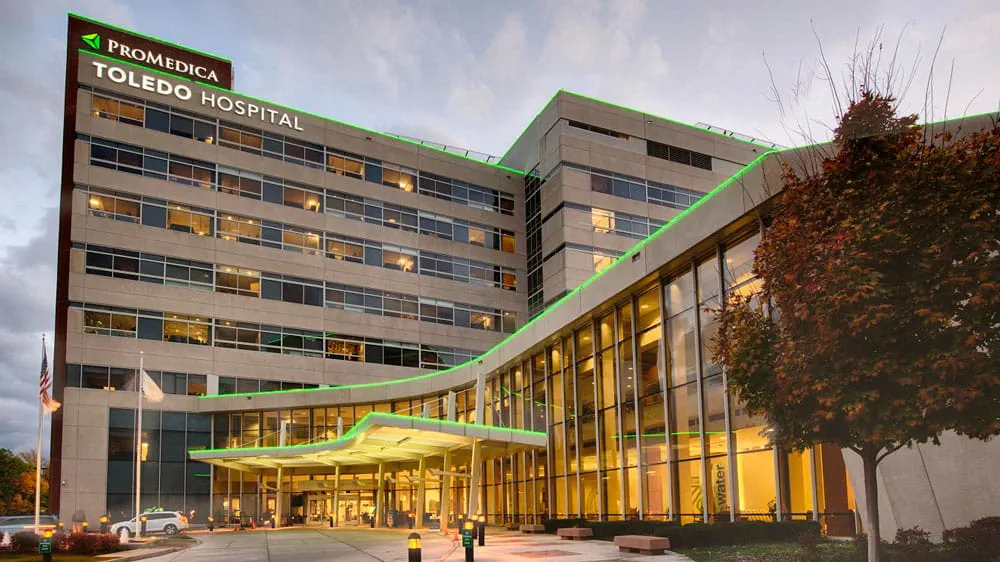
Toledo Hospital Surgery Center
Discover what ProMedica Toledo Hospital Surgery Center has to offer.

ProMedica Physicians Jobst Vascular - Adrian
Click here to learn about the services we offer. Get driving directions, contact information, operating hours and more.
ProMedica Physicians Jobst Vascular - Fremont
Click here to learn about the services we offer. Get driving directions, contact information, operating hours and more.
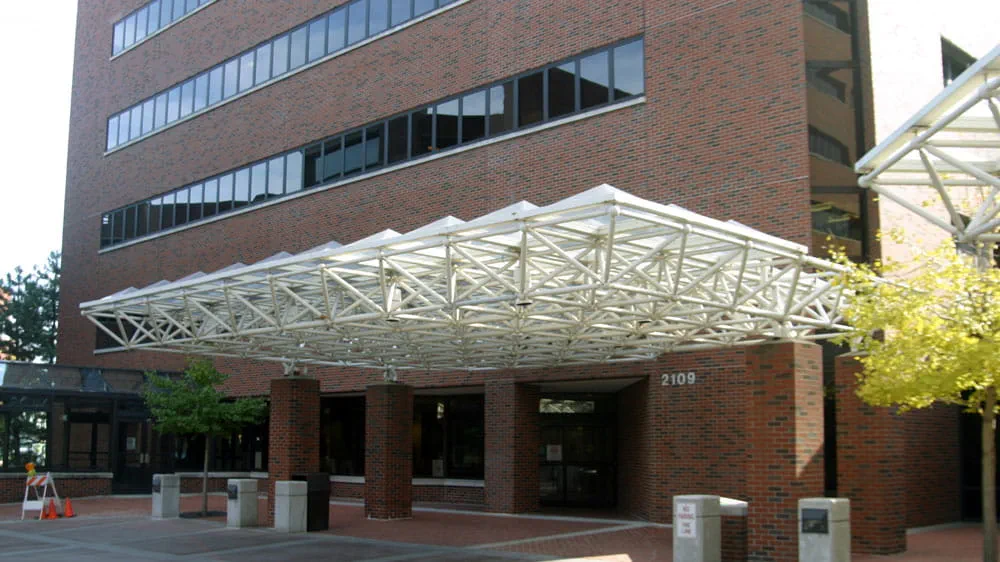
ProMedica Physicians Jobst Vascular - Toledo
Click here to learn about the services we offer. Get driving directions, contact information, operating hours and more.
ProMedica Physicians Jobst Vascular - Wauseon
Click here to learn about the services we offer. Get driving directions, contact information, operating hours and more.
ProMedica Physicians Jobst Vascular - Perrysburg
Click here to learn about the services we offer. Get driving directions, contact information, operating hours and more.
Related Services & Conditions
Vascular Care
Jobst Vascular Institute brings you world-class care close to home. We offer a innovative and personal approach to testing, medical treatment and surgery.
Ultrasound
Ultrasound uses sound waves to create pictures of the inside of your body to help your doctors form an accurate diagnosis and plan effective treatment.