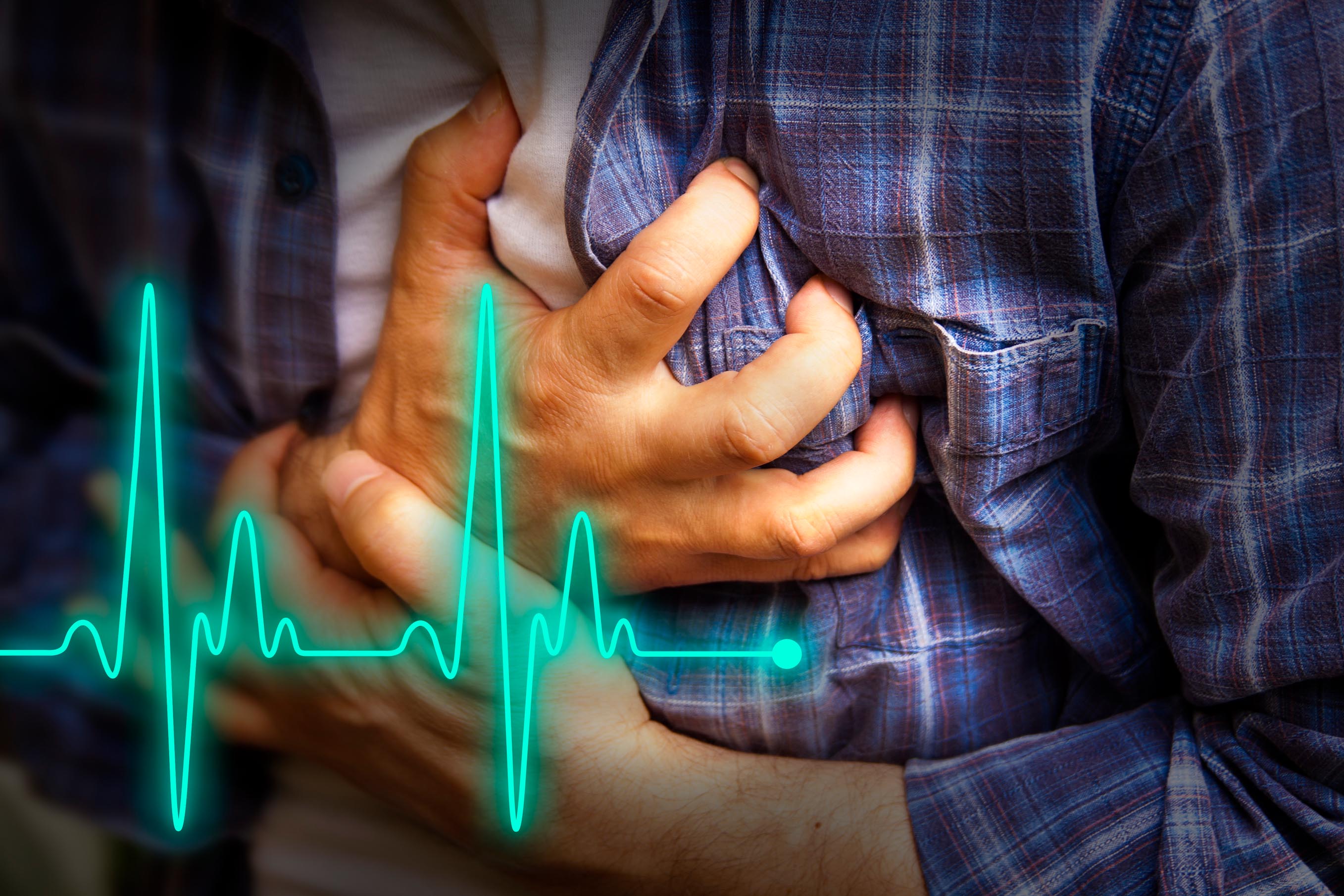
Taking quick action during a heart attack could save a life or reduce the risk of lifelong complications. That’s especially true in the case of STEMI heart attack.
A STEMI heart attack, or ST-elevation myocardial infarction, is a serious type of heart attack. Recognizing heart attack symptoms such as chest pain and shortness of breath can help save lives and prevent permanent damage.
During a heart attack, there is a blockage in the blood vessels supplying blood to the heart. If it’s a partial blockage, it’s called an NSTEMI, or non-ST-elevation MI. If it’s a STEMI heart attack, there’s a full blockage of a coronary artery. The damage is so severe that it causes electrical changes on an EKG, a test that shows the heart’s activity.
"On the heart attack spectrum, a STEMI is the one that’s the most concerning and time-sensitive," explains Hazem Malas, DO, FACC, with ProMedica Physicians Cardiology. "The heart’s electrical change implies significant muscle damage, so it’s crucial we start life-saving procedures right away."
Emergent Care is Crucial for STEMI Heart Attacks
The national benchmark 'door-to-balloon time' measures how quickly treatment begins after a patient arrives at the hospital. For a STEMI heart attack, guidelines recommend performing a balloon angioplasty within 90 minutes. This procedure restores blood flow through the blood vessels.
"We often use the description 'time is muscle.' The quicker we act, the more improved our patient’s long-term survival will be — so the quicker, the better," Dr. Malas says.
Not all hospitals are equipped to treat this type of heart attack. ProMedica Toledo Hospital, ProMedica Flower Hospital, and ProMedica Monroe Regional Hospital are STEMI-certified Chest Pain Centers. These facilities have demonstrated success in treating elevation myocardial infarction cases with high survival rates.
When EMS personnel recognize STEMI symptoms through EKG findings, they know quick action is needed to restore blood flow and minimize heart failure risk. They alert the nearest STEMI-certified hospital that a patient is on the way. Then, the emergency room team prepare for immediate procedures and cardiac critical care units that support recovery and long-term health.
"It’s a huge undertaking from a community and a hospital perspective. It’s a privilege to be in this position where we can do these procedures, save lives and do so in such a safe and efficient manner," Dr. Malas shares.
Decreasing Your Risk of a Heart Attack
Preventive action before a heart attack occurs is essential. With regular checkups, you can work with your doctor to monitor risk factors and decrease heart attack risk.
“Prevention is, in some cases, more important than cure,” says Dr. Malas. “Healthy lifestyle decisions to improve overall health have significant impact on heart and vascular health, too.”
You can decrease your risk of heart attack by:
- Maintaining healthy blood pressure and cholesterol.
- Knowing your family history, which increases your heart attack risk.
- Quitting smoking, which damages your circulatory and respiratory systems.
- Staying active to improve your blood circulation, manage stress and maintain a healthy weight.
- Eating healthy and limiting your intake of alcohol, which can increase your blood pressure and weight.
Fast Treatment Reduces Permanent Damage
If you suspect that you are having a heart attack, seek medical attention quickly. Many people ignore heart attack symptoms because they feel otherwise healthy or lack classic signs like chest pain. It’s important to never ignore symptoms such as shortness of breath or sudden fatigue.
If you use wearable health technology, know that these devices are not intended to be used for the diagnosis or treatment of any medical condition. Seek immediate, real-life medical attention if you or a loved one experience concerning symptoms.
"The earlier you recognize you need help, the earlier your symptoms can be understood, a diagnosis can be made, and your treatment can start,” says Dr. Malas. “Early intervention could help prevent a cardiac event and permanent damage to your heart.”
According to the American Heart Association, the risk of permanent heart damage depends on two things: the size of the area impacted and the time between injury and treatment.
If you or someone you know is potentially having a heart attack, call 911 right away. Do not drive to the hospital; an ambulance can provide on-the-scene, life-saving treatment. They can also test your heart to see if it’s a STEMI heart attack.
Hazem Malas, DO, FACC, is a board-certified cardiologist with ProMedica Physicians Cardiology. View his profile.
Subscribe to Our ProMedica Newsletter
Looking for inspiration on how to improve your health and well-being? Get trustworthy health news, wellness tips and inspirational patient stories delivered to your inbox twice a month with our free ProMedica newsletter.