If you think you may be having an aneurysm rupture, call 911 right away.
Collaborative, Multidisciplinary Care
In the past 15 years, ProMedica Physicians Neurology has cared for nearly 1,000 individuals with brain aneurysms. We have extensive expertise in comprehensive and collaborative treatment. Because we know that when specialists work together, patients receive clinically advanced care focused on their best outcome.
Our neurologists, neurosurgeons, interventional vascular neurologists and neuroradiologists work together to build individualized care plans. ProMedica Physicians Neurology cares for patients throughout northwest Ohio and southeast Michigan. Our hub at the ProMedica Neurosciences Center offers collaborative, word-class care in the Toledo region.
Brain Aneurysm Screenings
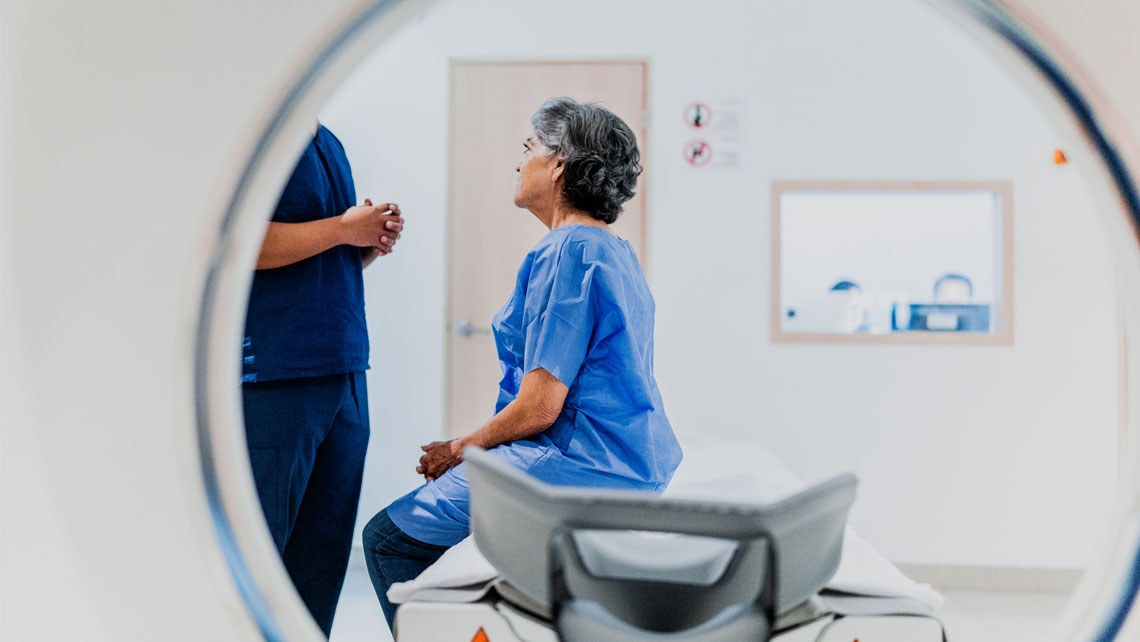
All ProMedica hospitals offer noninvasive screenings for brain aneurysms. A computed tomography angiography (CTA) or magnetic resonance angiography (MRA) can produce detailed images of vessels in the brain and blood flow. Talk with your primary care provider about your risk for brain aneurysm and options for screening.
Understanding Brain Aneurysms
Most brain aneurysms don't cause any health problems. But pressure placed on nerves and nearby brain tissue can sometimes cause them to rupture and bleed within the brain, causing hemorrhagic stroke. Learn more about the risk factors and signs of a rupture.
Emergency Care for Ruptured Brain Aneurysms
Usually, an aneurysm in the brain isn’t found unless it ruptures or is discovered during a brain scan for another health problem. In the case of a rupture, quick emergency care is needed because of the high mortality and morbidity rate.
All ProMedica hospital emergency departments are equipped with the training and protocol to treat potential brain aneurysms as urgently and safely as possible. These patients are treated as a stroke alert, with escalated imaging and evaluation. Telemedicine is available in every ProMedica hospital emergency department, so a neuro interventional team can access individuals as needed.
As a Comprehensive Stroke Center, ProMedica Toledo Hospital specializes in caring for those with ruptured brain aneurysms and stroke. ProMedica patients with a ruptured brain aneurysm are transferred to Toledo Hospital for the best comprehensive care.
Types of Brain Aneurysm
When an unruptured brain aneurysm is found through a screening or brain scan, your doctor will likely want you to have more testing. The type of aneurysm will help your doctor create the most effective treatment plan for you.
There are three types:
Brain Aneurysm Treatment Options
ProMedica Physicians Neurology specialists take a patient-centered and multidisciplinary approach to treating patients. The neurovascular clinic at the Neurosciences Center allows patients to see both a cerebrovascular neurosurgeon and interventional vascular neurologist during the same clinic encounter. That means patients and their families can talk with both specialists about care and treatment.
Your age, overall health and medical history, as well as the size and location of the aneurysm, will influence your care plan. Your specialists may recommend:
- Monitoring the brain aneurysm. For small brain aneurysms, your specialist may recommend routine imaging.
- Surgical treatment. For larger or symptomatic brain aneurysms, your specialist may recommend a surgical clipping through open brain surgery.
- Endovascular treatment. Larger aneurysms can be treated endovascularly through blood vessels with special tubes, catheters and devices made specifically for brain aneurysms by a trained neuro-interventionalist.
The goal of surgery or endovascular treatment is to eliminate the aneurysm. These treatments prevent flood from flowing into the aneurysm, or the abnormal outpouching of the blood vessel wall.
Support and Resources
We understand how challenging it can be to live with a brain aneurysm or the effects of a rupture. Your care team is here to answer your questions and provide resources. Patients are also welcome at our monthly support group to talk with other patients and share information.
Featured Locations

Clyde
ProMedica Total Rehab
ProMedica Total Rehab in Clyde, Ohio offers physical, speech and occupational therapy, as well as lymphedema care and much more.
Gibsonburg
ProMedica Total Rehab
ProMedica Total Rehab in Gibsonburg Ohio provides physical and occupational therapy, as well as lymphedema and stroke care and more.
ProMedica Total Rehab Temperance
Welcome to ProMedica Total Rehab Temperance, Michigan. Get driving directions, hours of operation, learn about treatment and therapies and more.
Northwest Ohio Hemophilia Center
Welcome to Northwest Ohio Hemophilia Center Toledo, Ohio. Get driving directions, hours of operation, learn about treatment and therapies and more.

Adrian
ProMedica Total Rehab
Learn more about ProMedica Total Rehab in Adrian, Michigan - we offer physical therapy, occupational and speech therapy and more.
Defiance
ProMedica Total Rehab
ProMedica Total Rehab in Defiance, Ohio offers aquatic, physical, occupational and speech therapy, and much more.
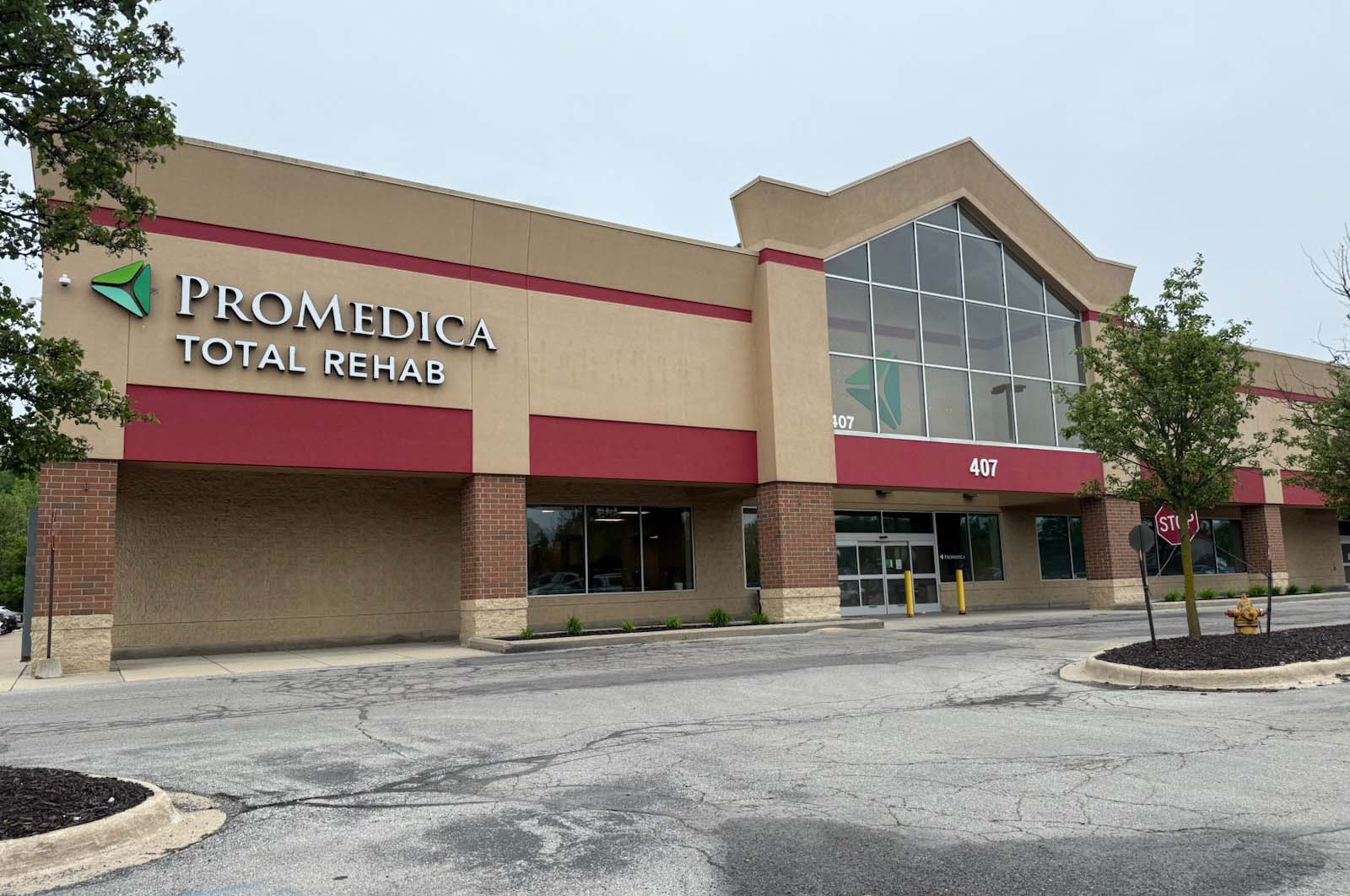
ProMedica Total Rehab Monroe Telegraph Road
Experience tailored rehabilitation at ProMedica Total Rehab in Monroe, Michigan. Our expert therapists collaborate with you for optimal recovery without needing a referral.
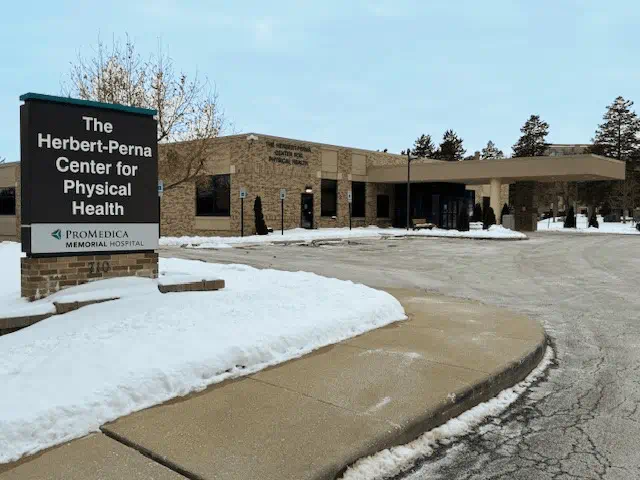
Fremont
ProMedica Total Rehab
ProMedica Total Rehab in Fremont, Ohio offers comprehensive therapy services, including aquatics, physical, occupational and speech therapies.
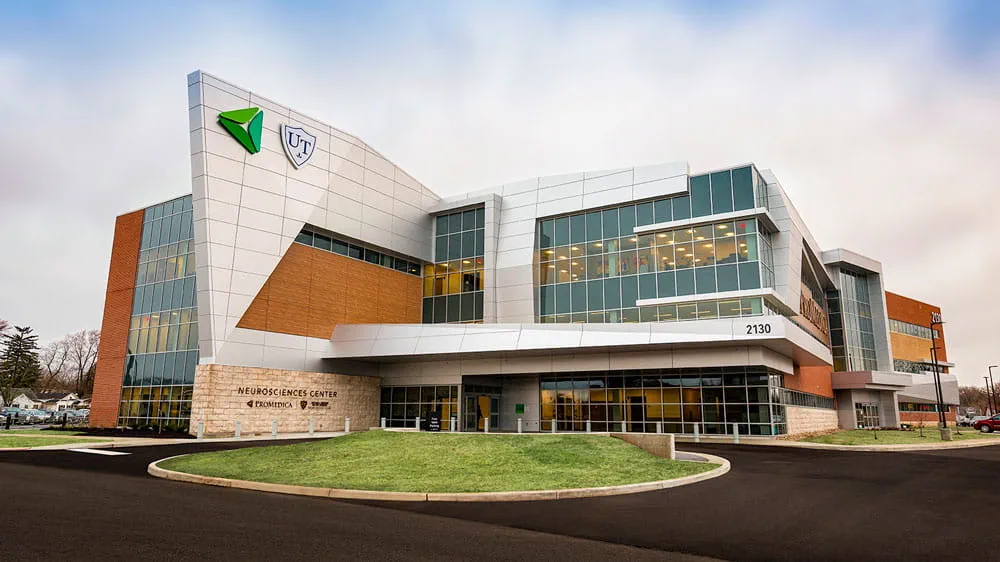
Neurosciences Center
Welcome to Neurosciences Center Toledo, Ohio. Get driving directions, hours of operation, learn about treatment and therapies and more.
Related Services & Conditions
Neurosciences
Our award-winning ProMedica Neurosciences Institute team combines academics, research, prevention, screening and treatment to give you access to leading-edge care.
Neurosurgery
Our neurosurgeons offer quality care and expertise in the diagnosis and surgical treatment of a wide variety of brain and spine conditions.
Vascular Care
Jobst Vascular Institute brings you world-class care close to home. We offer a innovative and personal approach to testing, medical treatment and surgery.