Your Brain Health Is in Expert Hands
If you've been diagnosed with a brain tumor, you'll need to make some major decisions about your care. We understand this can feel overwhelming. But you're not alone.
At ProMedica, our whole team – highly specialized neurosurgeons, medical oncologists, radiation oncologists, pathologists, radiologists and nurses – joins together to support every step of your care. You can feel secure in the combined expertise of ProMedica Neurosciences Institute and ProMedica Cancer Institute.
You'll benefit from a complete spectrum of services, including diagnosis, evaluation, treatment and follow-up care.
What is a brain tumor?
A brain tumor is a growth or mass of abnormal cells in the brain that may be cancerous (malignant) or noncancerous (benign). Some are formed inside the brain (glioma). Other tumors start as cancer somewhere else in the body and then land in the brain (metastatic). There are also tumors that grow on the outside surface of the brain and create pressure (meningioma). Every type of brain tumor has many levels of severity and there are different treatments for each type.
It's important to know the risks for developing a brain tumor, especially if you have a family history. Many times, these symptoms may appear: new or changing headaches, seizures, hearing or vision loss, fatigue and cognitive issues. But the type, size and location of a tumor can also dictate the kinds of symptoms you have. If you have any concerns, please talk about them with your family doctor.
Diagnosis
Your family doctor may perform a standard neurological exam to measure your nervous system function. If your doctor has concerns after your exam, a CT scan of your brain may also be ordered.
If a brain tumor is detected from your CT scan, you'll likely be referred to a neurosurgeon or oncologist. They will evaluate you further, which often includes a biopsy.
During a biopsy, a piece of the tumor is removed and sent to a pathologist for testing. A biopsy can help your doctor decide if the tumor is cancerous, understand how severe it is and detect any growth patterns.
Treatment Options
Chemotherapy
A medical oncologist may want you to have chemotherapy to stop the tumor from growing.
After surgery, sometimes a systemic or local chemotherapy is also used to keep your tumor from growing back.
Radiation
Radiation therapy may be recommended after a biopsy or tumor is removed. This is to destroy the tumor or stop its growth. Some brain tumors cannot be removed with surgery. That’s when radiation therapy may be given before, during or after chemotherapy treatment.
Your specialist may recommend Stereotactic Radiosurgery (SRS), which is a type of radiation therapy. With SRS, one extremely high and targeted dose of radiation is sent to a small tumor. The precise targeting means there’s less chance of damaging healthy cells around the tumor. SRS does not require surgical incisions (cuts) or openings.
Tumor Removal
For most noncancerous and many cancerous brain tumors, the first treatment step is to perform surgery to remove the tumor. Our highly experienced neurosurgeons use the most advanced tools, such as BrightMatter™ visualization and surgical navigation technology.
Some common types of brain tumor surgery include:
- Complete removal: The whole tumor is removed.
- Craniectomy: Part of the skull is removed and not replaced.
- Craniotomy: Part of the skull is removed and replaced.
- Debulking: The size of the tumor is reduced.
- Partial removal: Only part of the tumor is removed.
- Shunt: Extra fluid in the brain is drained to another part of the body.
Featured Locations
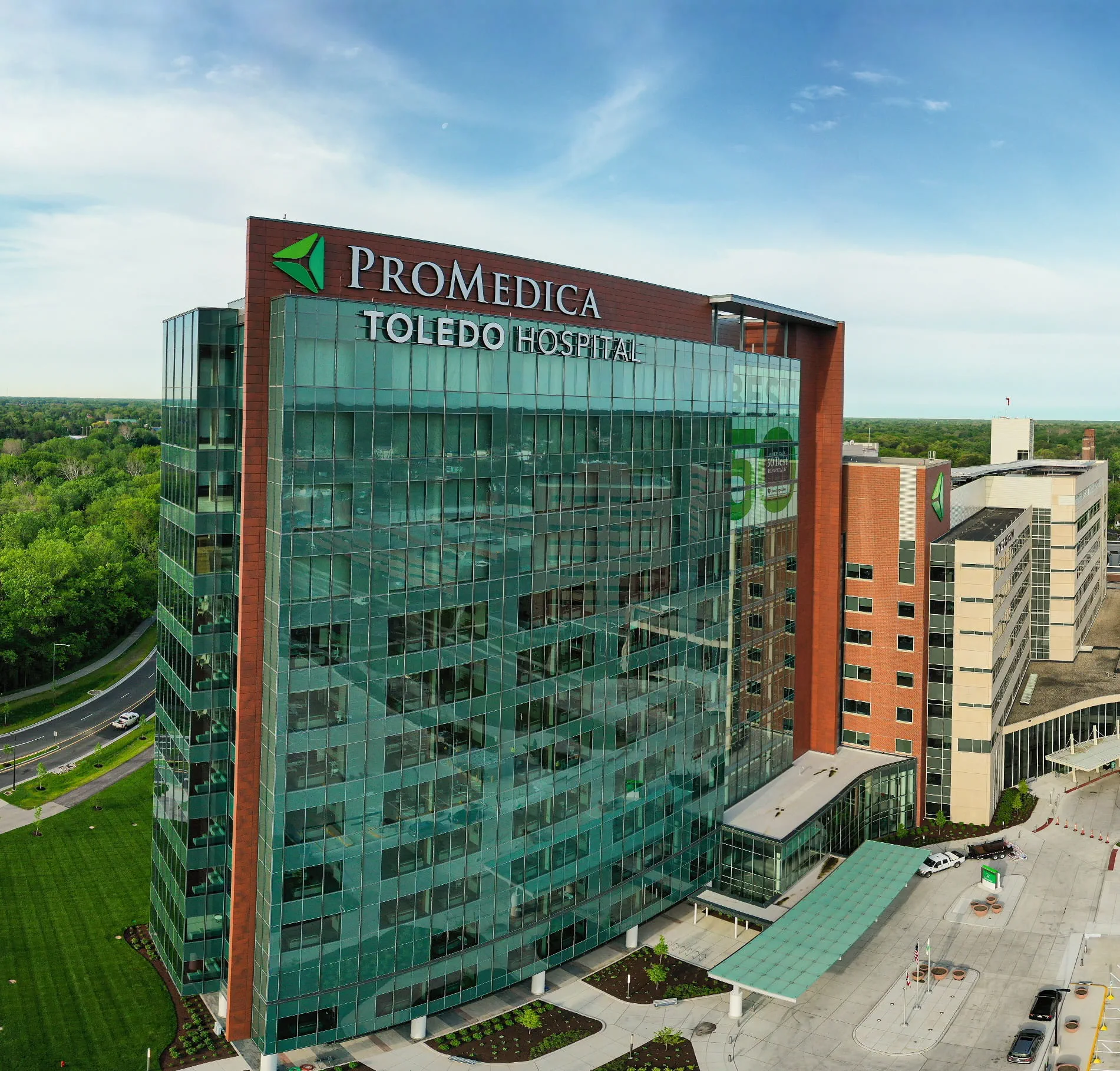
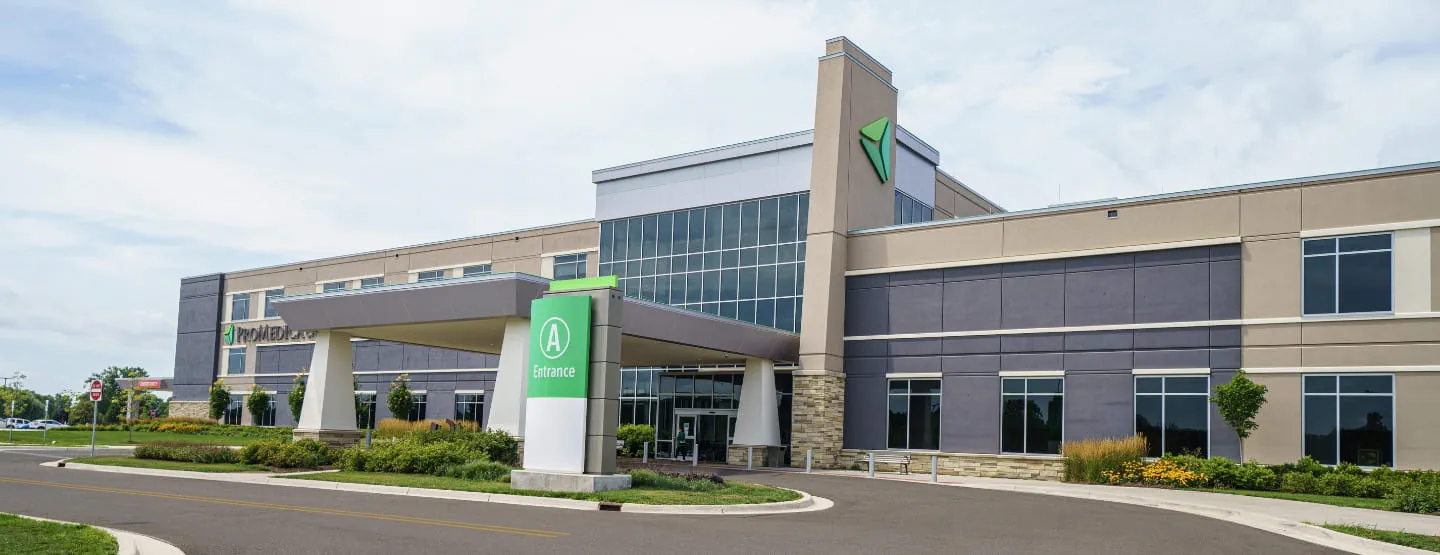
Adrian
Chemotherapy and Infusion Services
Discover what ProMedica Hickman Infusion Center has to offer.

Oregon
ProMedica Bay Park Hospital Cancer Care
Discover what ProMedica Bay Park Hospital Cancer Center has to offer.
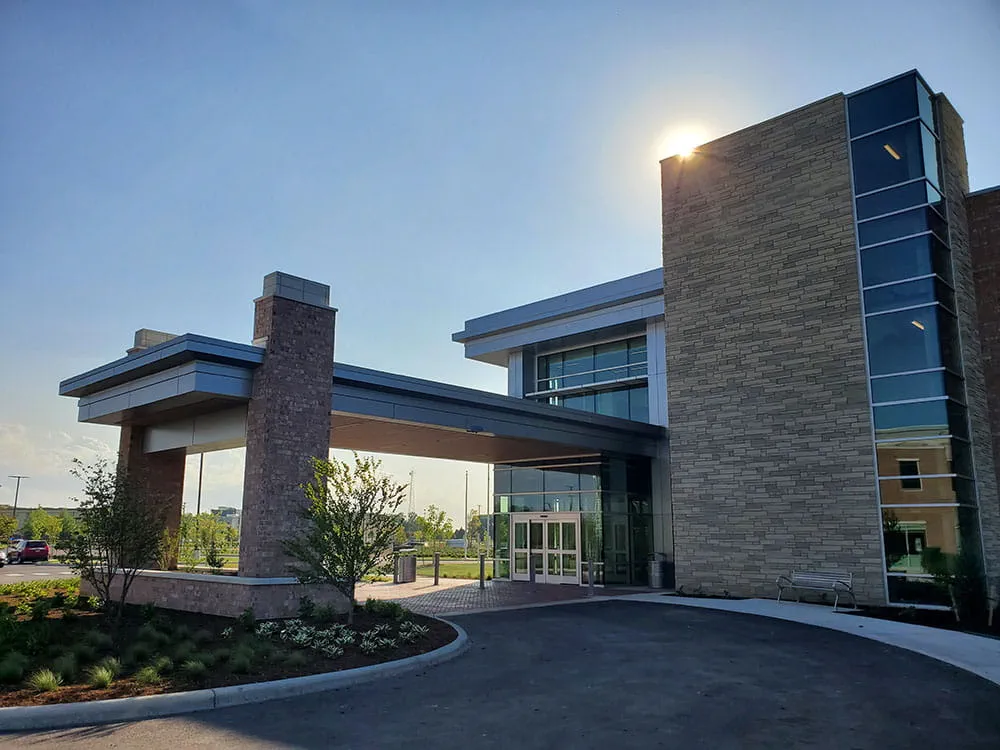
ProMedica Cancer Center at Levis Commons
At ProMedica Cancer Center at Levis Commons in Perrysburg, we are dedicated to providing the highest level of exceptional cancer care close to home.
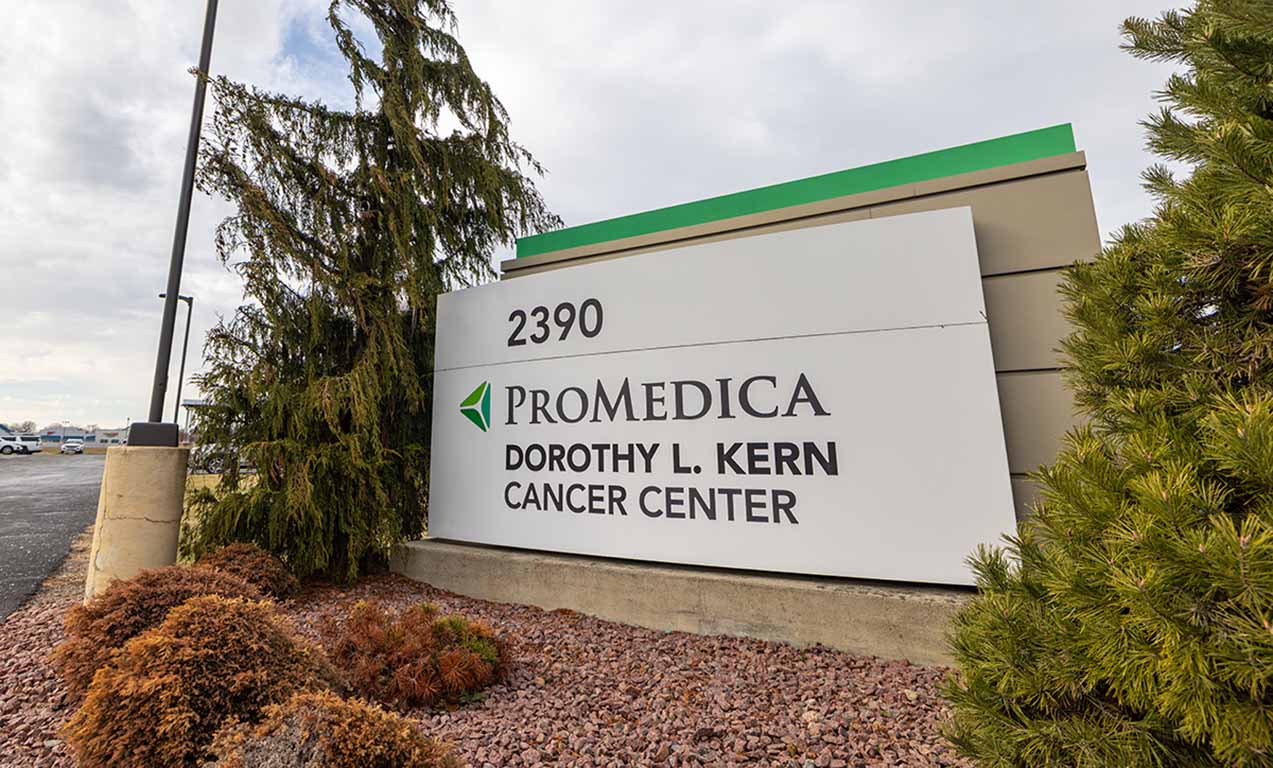
Fremont
Cancer Care
Welcome to ProMedica Dorothy L. Kern Cancer Center Fremont, Ohio. Get driving directions, hours of operation, learn about treatment and therapies and more.
Sylvania
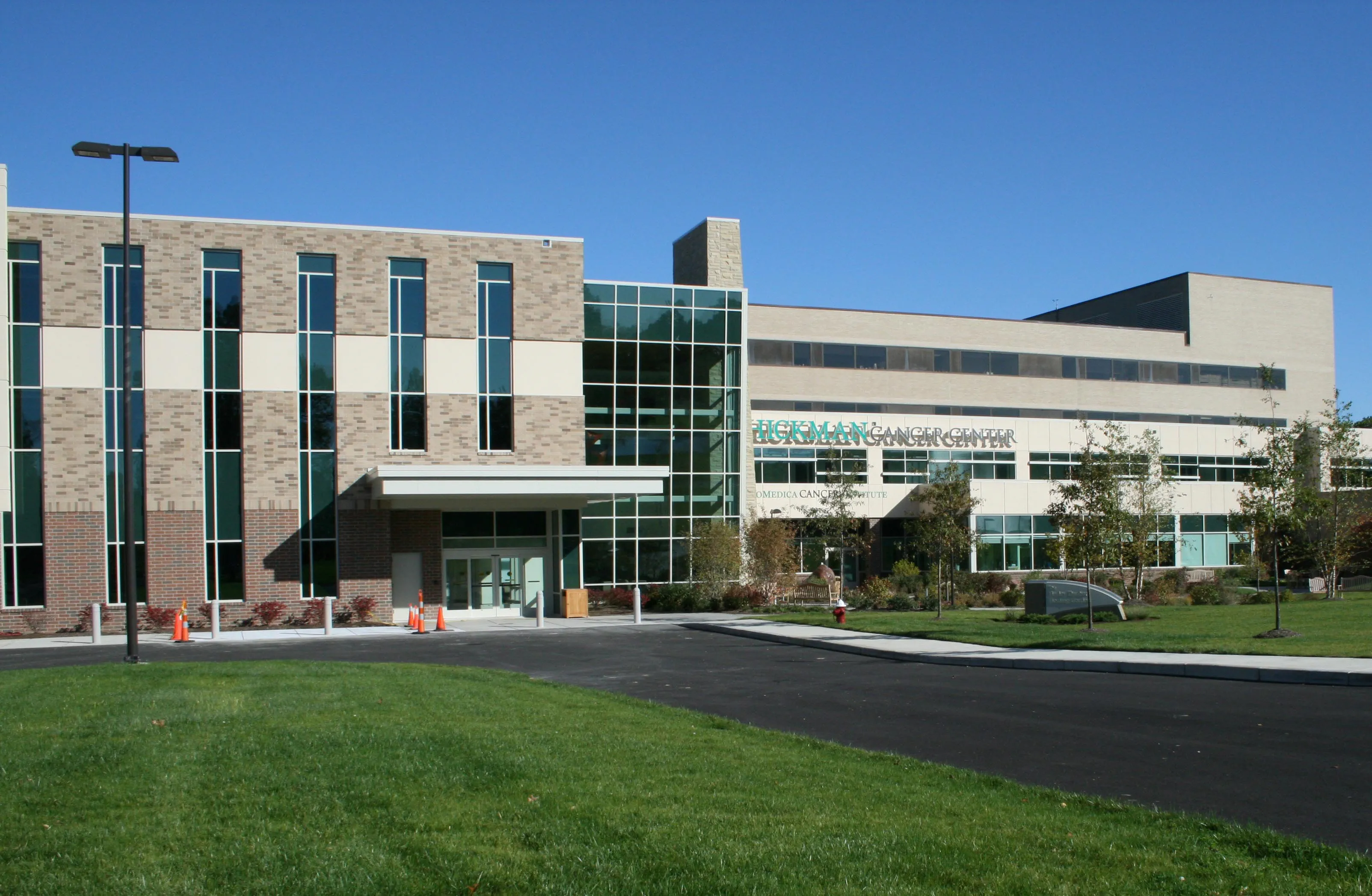
ProMedica Hickman Cancer Center
Discover what ProMedica Flower Hospital Hickman Cancer Center has to offer.

Fostoria
Cancer Care
Discover what ProMedica Fostoria Community Hospital Canter Care has to offer.
Toledo
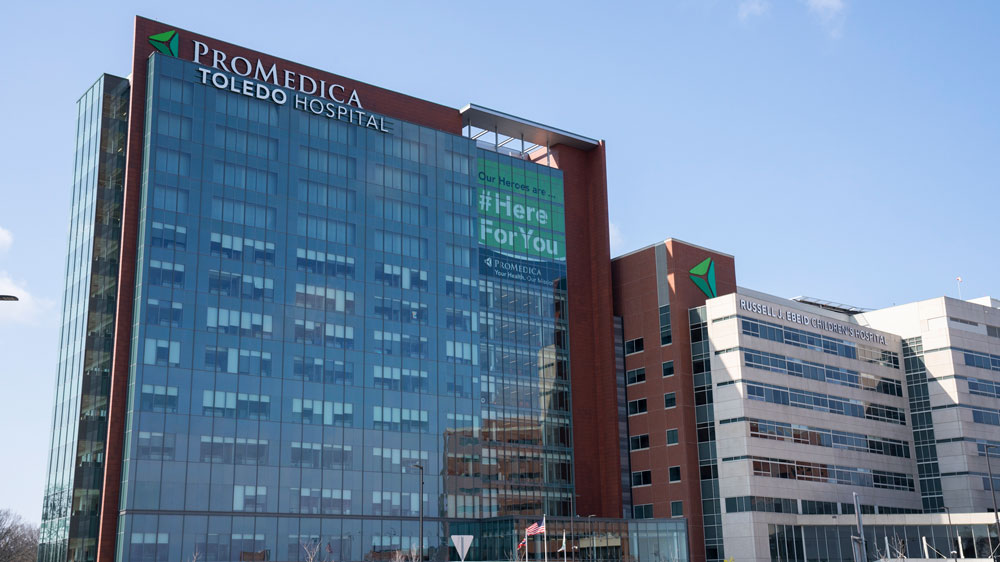
Alan W. and Deborah J. Brass Children's Cancer Center
Discover what ProMedica Alan W. and Deborah J. Brass Children's Cancer Center has to offer.
Monroe
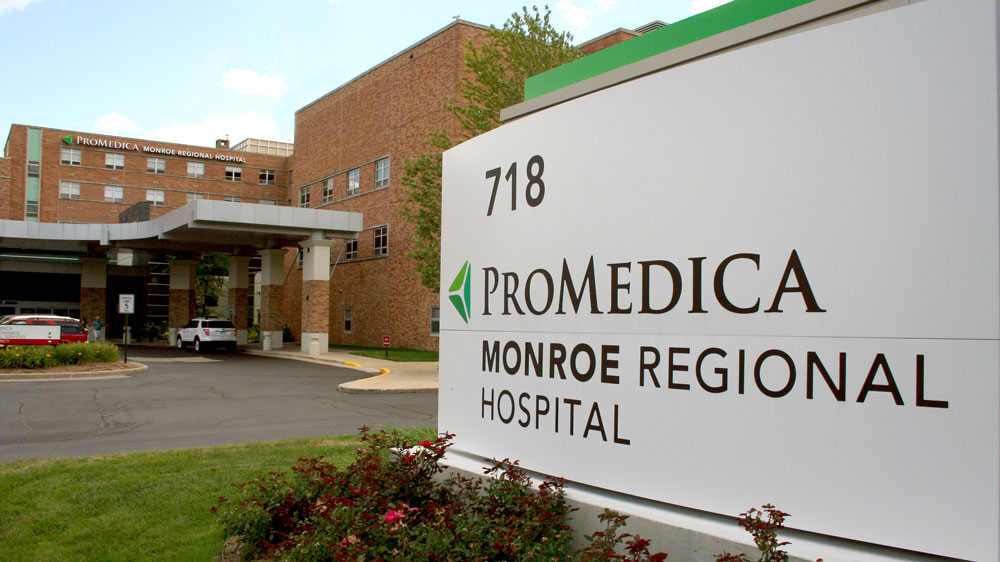
Cancer and Infusion Services
Discover what ProMedica Monroe Regional Hospital Cancer and Infusion Services has to offer.
Defiance
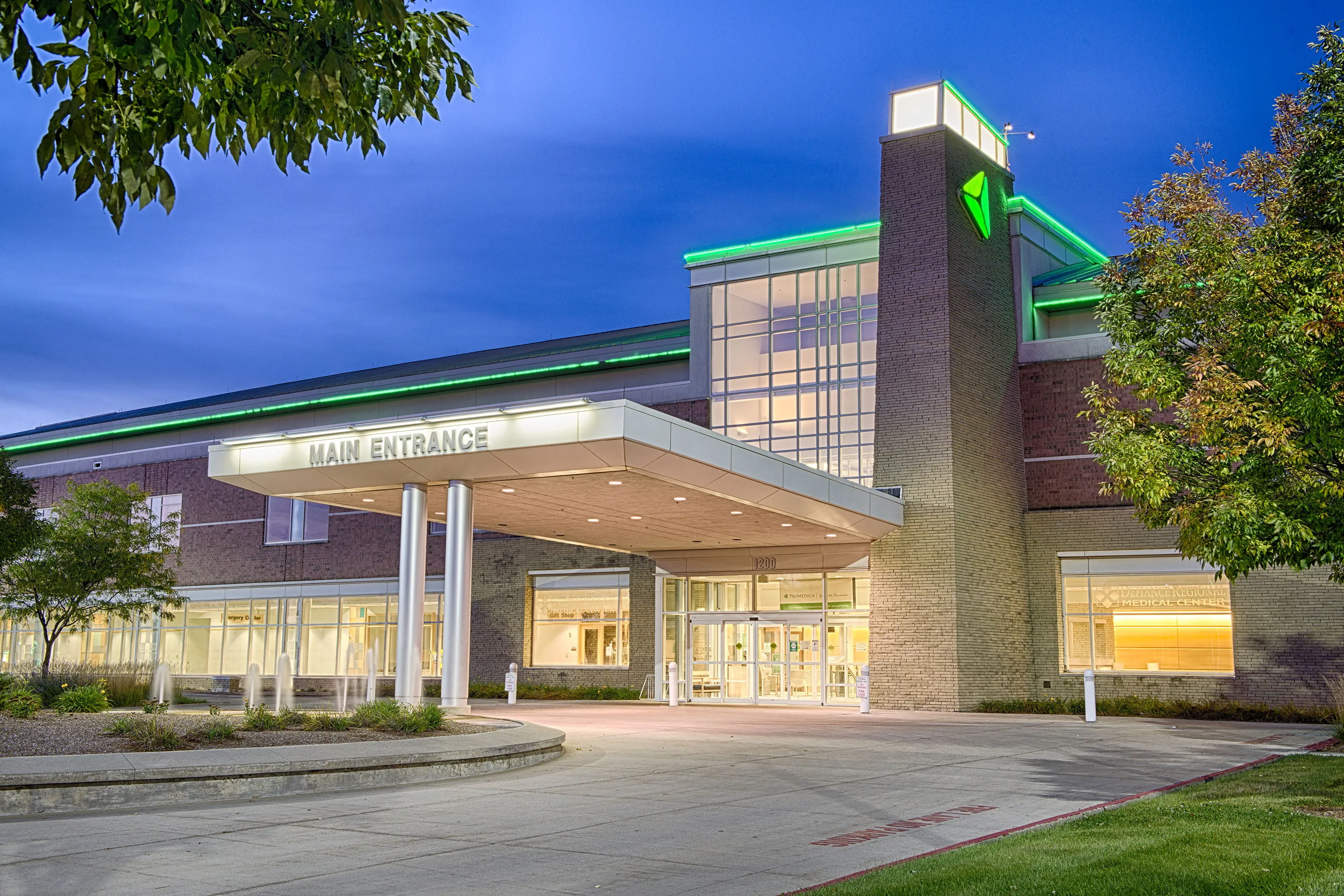
ProMedica Defiance Regional Hospital Cancer Center
Discover what ProMedica Defiance Regional Hospital Cancer Center has to offer.
Sylvania
ProMedica Cancer Institute High Risk Clinic
ProMedica Cancer Institute’s High Risk Clinic is dedicated to supporting people with a higher-than-average risk of developing certain cancers.
Related Services & Conditions
Neurosciences
Our award-winning ProMedica Neurosciences Institute team combines academics, research, prevention, screening and treatment to give you access to leading-edge care.
Neurosurgery
Our neurosurgeons offer quality care and expertise in the diagnosis and surgical treatment of a wide variety of brain and spine conditions.