Innovative Care Through the ProMedica Cancer Institute
At ProMedica Cancer Institute, we've diagnosed and treated more patients than any other cancer care group in the region. Our comprehensive team is here to connect you to innovative treatments and support services, so you can achieve what you want most: Life.
We take a coordinated approach to cancer care that incorporates multidisciplinary teams, specialized services and groundbreaking treatments. Discover innovative treatment options, below.

Hyperthermic Intraperitoneal Chemotherapy (HIPEC)
HIPEC is one of the most innovative cancer treatments available and can offer a greater chance for hope and survival for certain diagnoses. HIPEC treats metastatic (stage IV) cancers by combining surgery and heated chemotherapy.
At ProMedica, our specialists use HIPEC to treat certain types of gastrointestinal and ovarian cancers – especially those that are advanced or late-stage.
How HIPEC Works
Abdominal or pelvic cancers that have spread to the lining of the abdominal cavity (peritoneum) or surfaces of other organs beyond the originating organ are not completely addressed with traditional chemotherapy. HIPEC provides a more effective treatment option.
A surgeon first removes the visible tumors. Then, heated chemotherapy is placed directly into the affected area to help kill any remaining, unseen tumors and cancer cells. Within a couple of hours, the surgical team will remove the solution and close the incision (cut).
The heated chemotherapy and tumor removal are combined as one procedure, and the patient is asleep for the whole operation. The procedure usually requires a one- to two-week stay in the hospital to fully support recovery.
Benefits of HIPEC
HIPEC has fewer side effects than regular chemotherapy and gets a more effective, higher concentration of chemotherapy into the cancerous region. This procedure also kills small, unseen cancer cells, which stops them from becoming new tumors.
Not all patients with metastatic cancer are candidates for HIPEC. Talk to your oncologist to see if HIPEC might be right for you.
What To Expect with Traditional Chemotherapy
Treatment plans including chemotherapy are individualized and look a little different for every patient. Learn about common dosage methods and possible schedules to prepare for chemotherapy treatment.
How Chemotherapy is Given
Chemotherapy may be administered in a doctor’s office, a clinic in the hospital, or at home. Some common methods include:
- Intravenous (through your veins).
- Oral (by mouth).
- Intramuscular (injected deep into the muscle).
- Intrathecal (injected into the spinal canal).
Sometimes, a more permanent catheter type is recommended to avoid repeated painful needle sticks. These permanent catheters are called “central venous catheters” and are placed under the skin’s surface. Chemotherapy, blood and IV fluids can be given through this catheter, and blood for lab tests can be drawn from this site.
An implantable port can also be used to deliver chemotherapy. The round port is usually surgically inserted under the skin’s surface on the chest wall between the neck and shoulder. To use the port, the nurse will insert a needle through the skin surface to access it.
How Long Chemotherapy Lasts
Each person’s dosage schedule is individualized to their treatment plan. This may last a few weeks, up to a year, or longer with varying cycle frequency. Treatments can be once a week, once a month or at other intervals. Treatments are followed by rest cycles to give the body time to build healthy new cells and regain strength.
Managing Side Effects and Additional Support
Potential side effects depend on the drugs and dosages used to treat the cancer. Recommended ways to cope and manage these side effects include:
- Nutrition for managing fatigue and nausea.
- Emotional support.
- Opportunities to discuss your unique experience and explore complementary therapies.
- Resources for and information about hair loss.
- Infection control and education.
ProMedica patients also have access to our Healing Care Program. This program helps you on your journey to health during and after cancer treatment.

Scalp Cooling Therapy
ProMedica Cancer Institute offers scalp cooling therapy to help cancer patients deal with the side effects of chemotherapy.
Scalp cooling can help reduce hair loss in selected patients by lowering the temperature of the scalp. It works by causing blood vessels to constrict or close up, which then lessens the amount of chemotherapy that gets to the scalp and hair follicles. This cooling therapy is distributed through a coolant machine that continuously circulates a coolant through a cap worn by the patient.
Scalp cooling is started 30 minutes before a chemotherapy session begins, and continues throughout the chemotherapy session and after the chemotherapy session ends. The time after each treatment varies depending on the chemotherapy combination, but ranges from one to three hours.
While there's no guarantee of no hair loss, there is research supporting that it's safe and effective for reducing hair loss for some patients. This therapy is offered at ProMedica Hickman Cancer Center in Sylvania and ProMedica Cancer Center at Levis Commons in Perrysburg.
Featured Locations
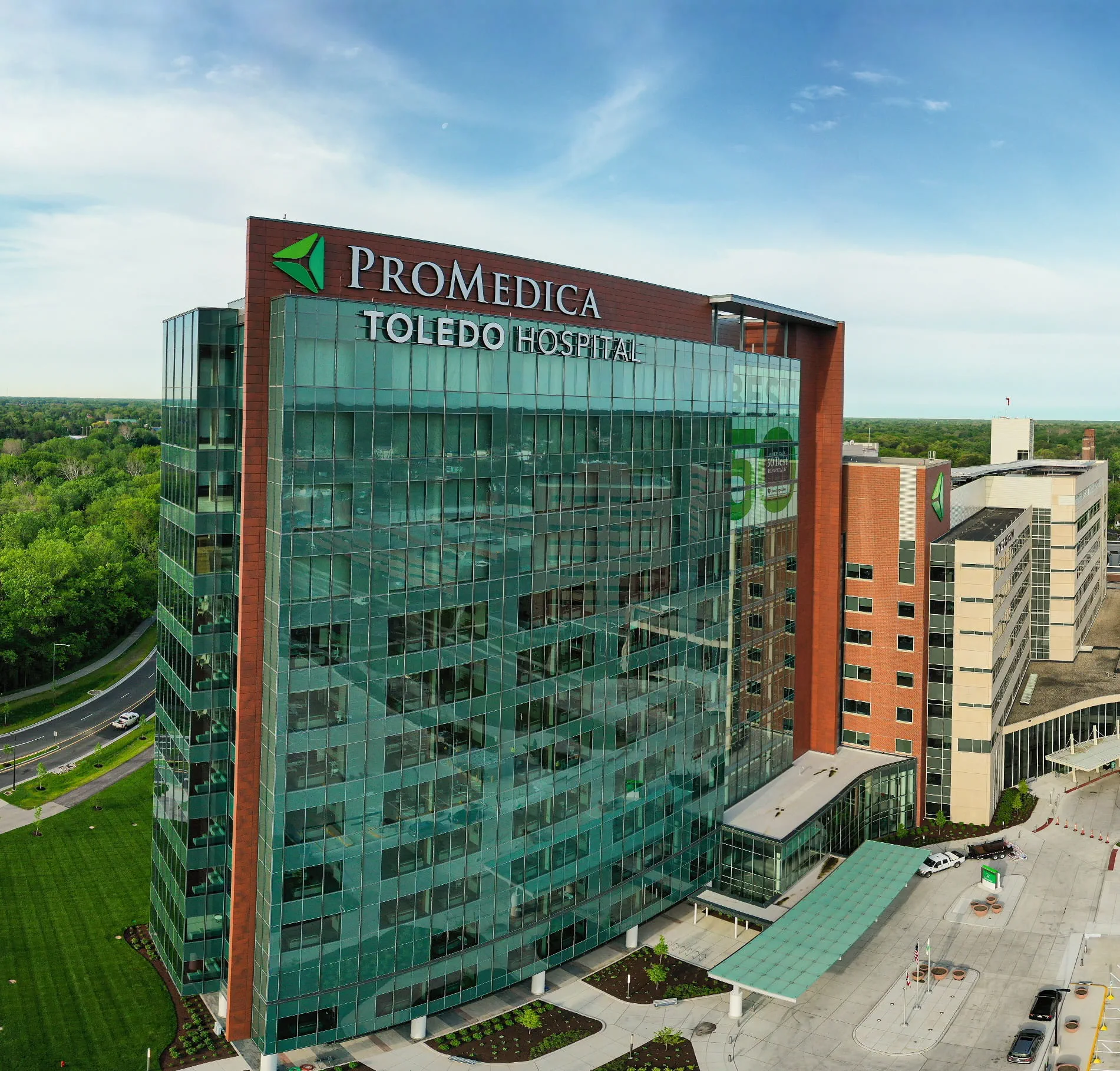
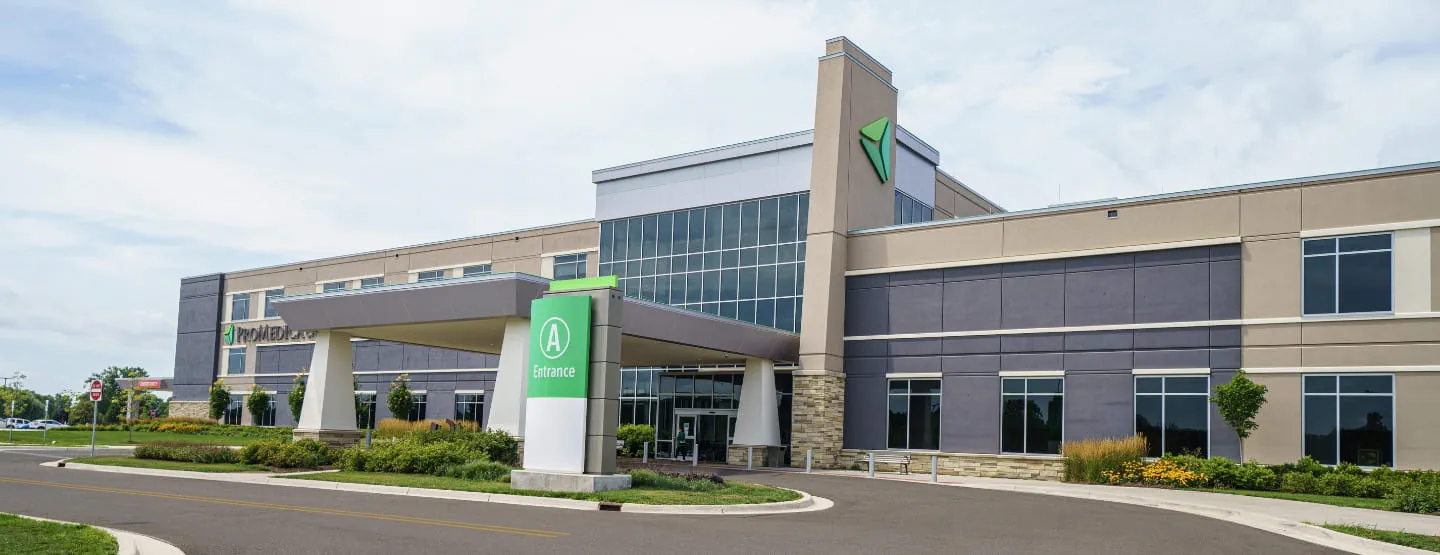
Adrian
Chemotherapy and Infusion Services
Discover what ProMedica Hickman Infusion Center has to offer.

Oregon
ProMedica Bay Park Hospital Cancer Care
Discover what ProMedica Bay Park Hospital Cancer Center has to offer.
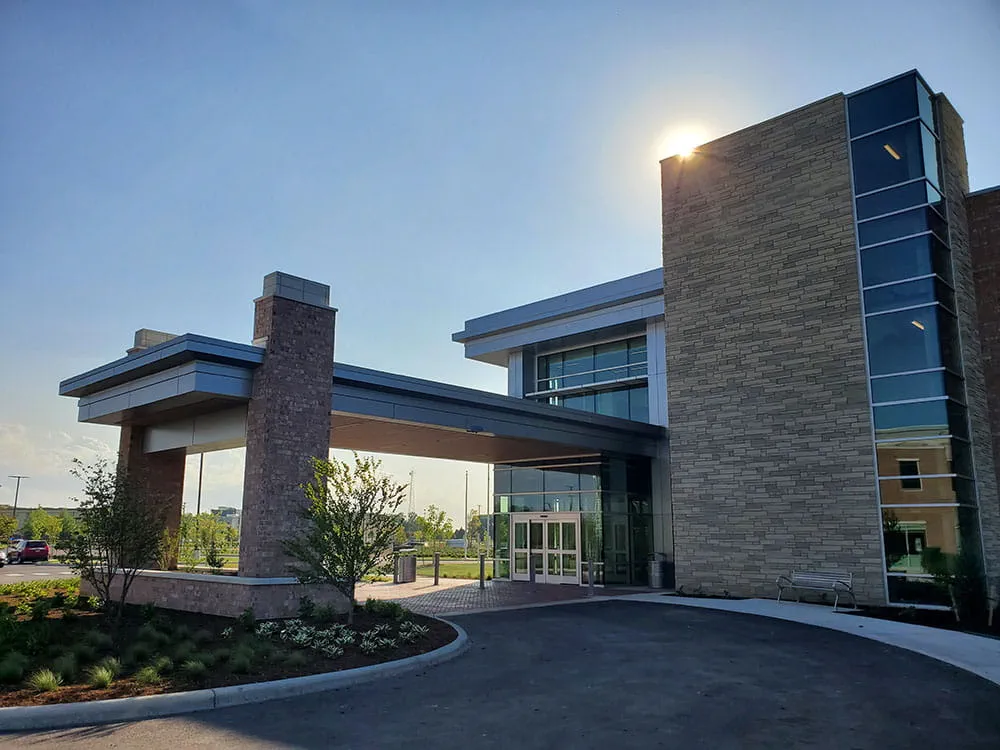
ProMedica Cancer Center at Levis Commons
At ProMedica Cancer Center at Levis Commons in Perrysburg, we are dedicated to providing the highest level of exceptional cancer care close to home.
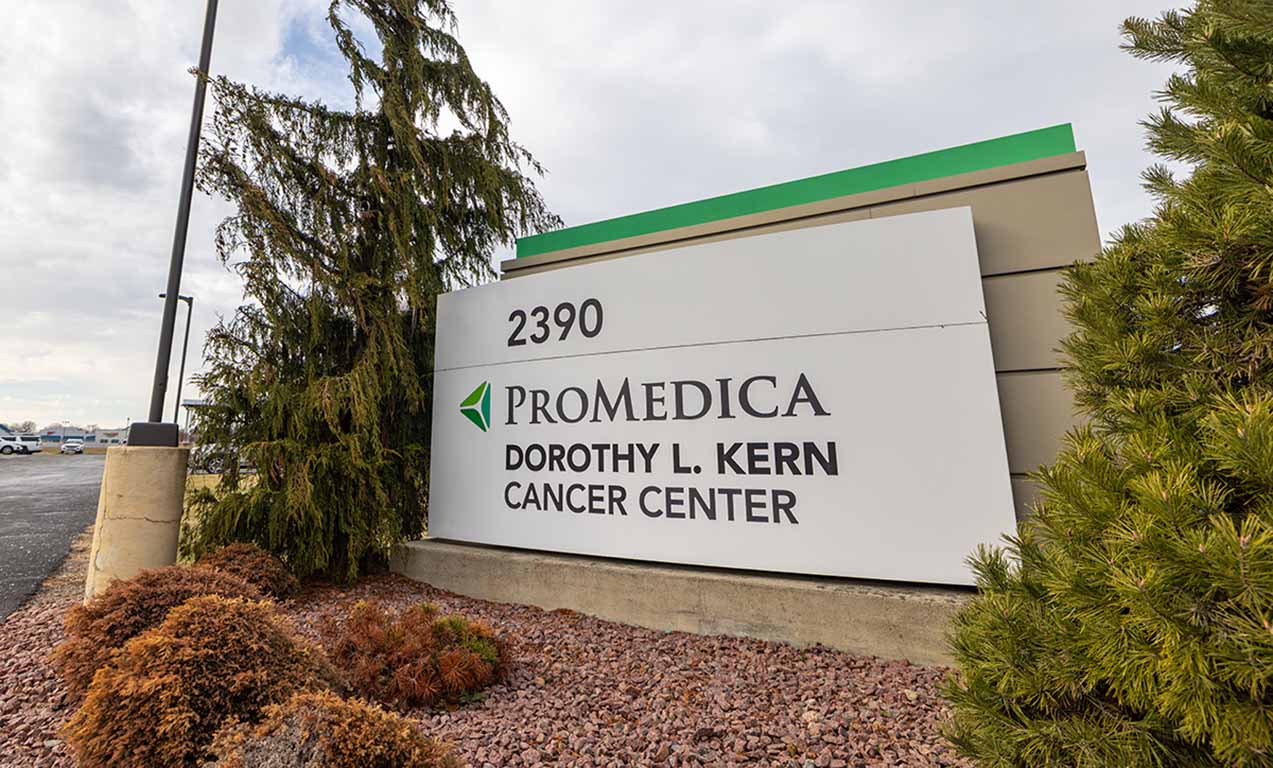
Fremont
Cancer Care
Welcome to ProMedica Dorothy L. Kern Cancer Center Fremont, Ohio. Get driving directions, hours of operation, learn about treatment and therapies and more.
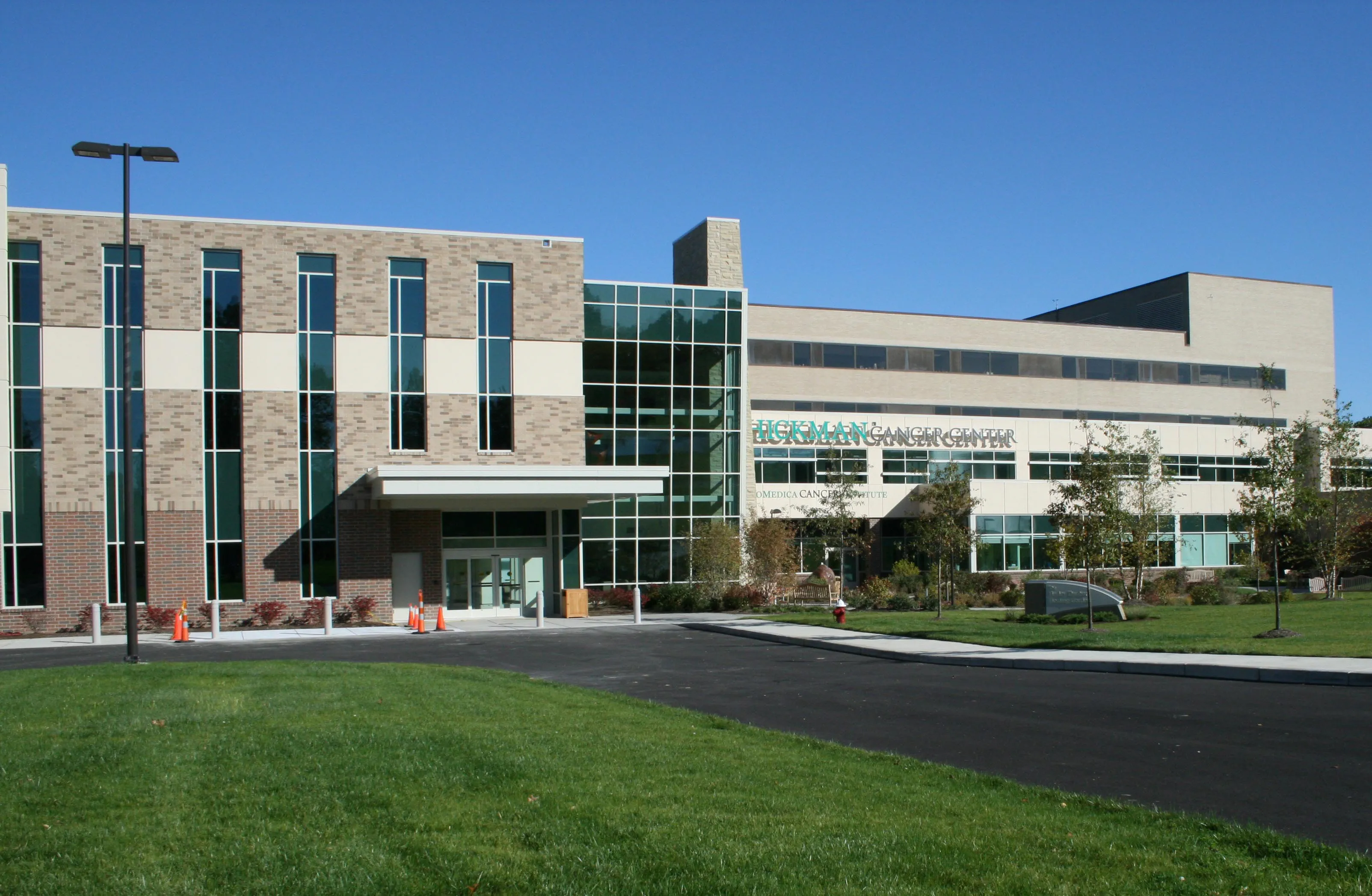
Sylvania
ProMedica Hickman Cancer Center
Discover what ProMedica Flower Hospital Hickman Cancer Center has to offer.

Fostoria
Cancer Care
Discover what ProMedica Fostoria Community Hospital Canter Care has to offer.
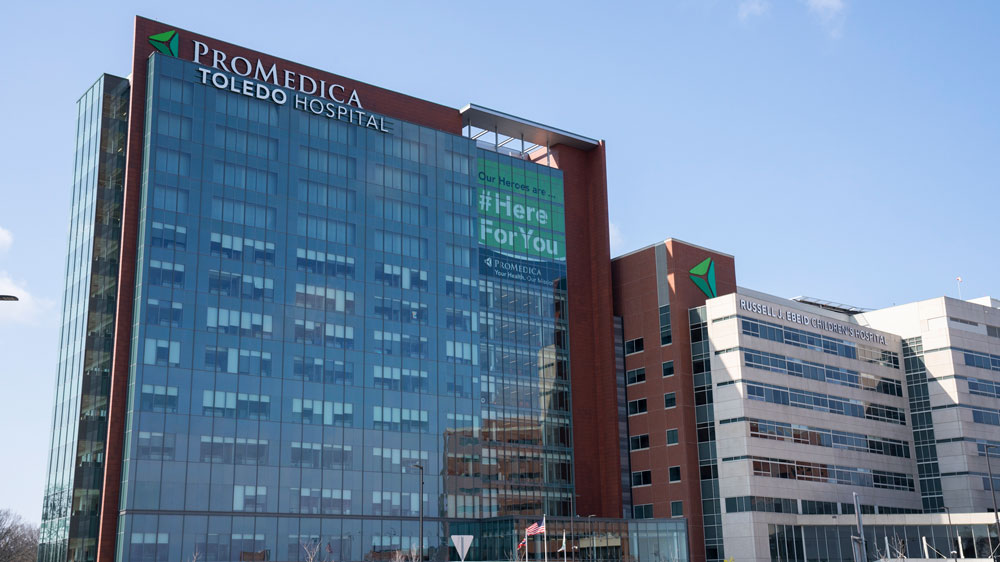
Toledo
Alan W. and Deborah J. Brass Children's Cancer Center
Discover what ProMedica Alan W. and Deborah J. Brass Children's Cancer Center has to offer.
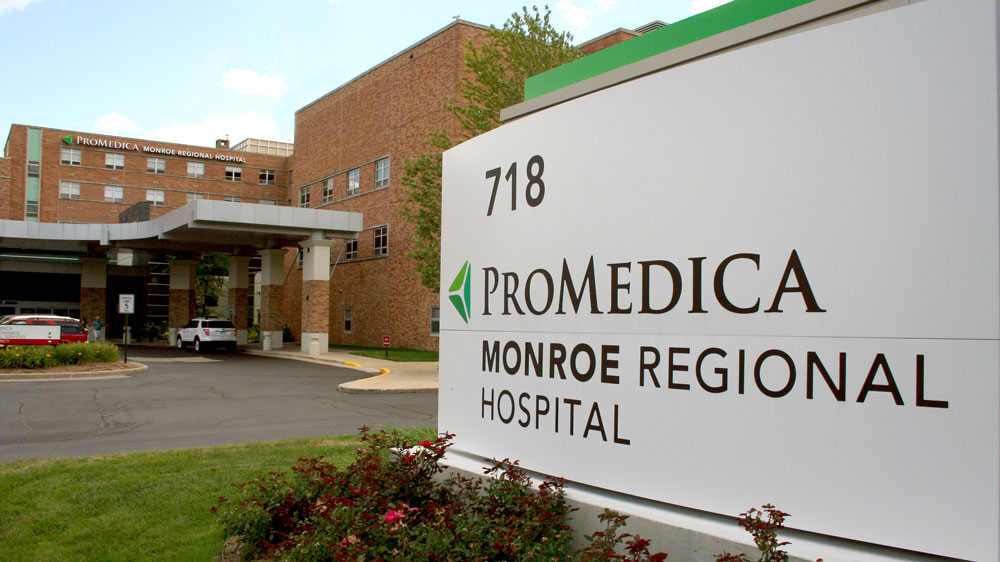
Monroe
Cancer and Infusion Services
Discover what ProMedica Monroe Regional Hospital Cancer and Infusion Services has to offer.

Defiance
ProMedica Defiance Regional Hospital Cancer Center
Discover what ProMedica Defiance Regional Hospital Cancer Center has to offer.
Sylvania
ProMedica Cancer Institute High Risk Clinic
ProMedica Cancer Institute’s High Risk Clinic is dedicated to supporting people with a higher-than-average risk of developing certain cancers.
Related Services & Conditions
Radiation Therapy
Radiation therapy is high-energy, therapeutic X-rays that can help prevent cancer cells from growing and multiplying.
Cancer Support and Survivorship
You don't have to face the challenges of cancer alone. We're here to help you with the physical and emotional changes, during and after treatment.
Genetic Testing / Counseling
Some genetic mutations may raise your risk for cancer. Our genetic counselors are here to help you understand your genetics and your risks.
Healing Care
Cancer and its treatment are stressful for the patient and their family. ProMedica Cancer Institute’s Healing Care Program offers free therapies and classes to reduce stress and improve well-being. The program is…
Head and Neck Cancer
Head and neck cancers are often caused by factors you can't control. Know your risk, which increases with age.
Colorectal Cancer
Our specialists are highly experienced in finding colorectal cancer early and combining innovative care with a personalized approach.
Cervical Cancer
Access to the most current research and technology in cervical cancer screening and treatment helps you achieve your best possible outcome.
Liver, Pancreatic and Biliary Cancers
If cancer enters your liver (a large, critical organ), early diagnosis and treatment is essential. ProMedica oncologists are here when and where you need them.
Lung Cancer
Chest pain, a persistent cough or trouble swallowing may be signs of lung cancer. We offer the region's most advanced treatment options to help you breathe easier during your cancer journey.