Customized Treatment from Migraine and Headache Specialists
Treating migraine and chronic headaches requires more than a one-size-fits all approach. Our team builds customized treatment plans that consider the symptoms, needs and overall health of each patient. As part of ProMedica Neurosciences Institute, our neurologists are equipped with extensive experience and cutting-edge therapies to reduce and manage migraine and headache symptoms.
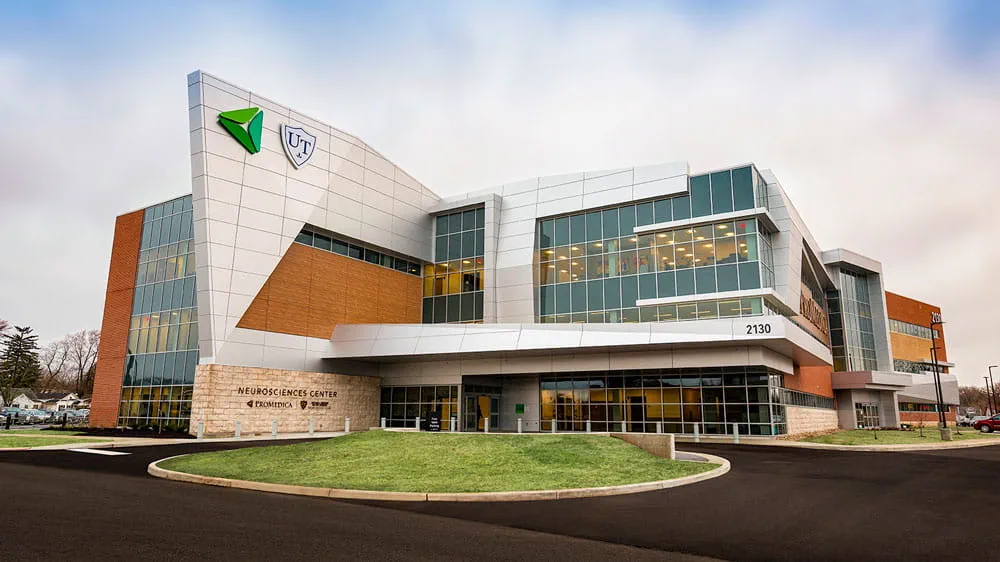
Our experts provide care throughout northwest Ohio and southeast Michigan, with the ProMedica Neurosciences Center in Toledo being the main hub for neurological care.
Accurately Diagnosing Migraine and Headaches
The first step toward relief is an accurate diagnosis. There are different types of headaches, including tension, cluster, thunderclap, primary headache disorder and secondary headache disorder.
A migraine is a specific type of headache. Migraine disorder is a clinical diagnosis that may be given when a person has experienced a headache that matches the following description:
- Moderate to severe head pain, usually worse on one side of the head.
- Pain that pulsates.
- May have nausea, vomiting and sensitivity to light or sound.
- A duration that lasts from four to 72 hours.
- No identifiable underlying cause.
A migraine may have sensory warning symptoms, such as blind spots, flashes of light or tingling in the arm or leg.
Tracking and Diagnostic Tests
Tracking your headaches and migraines can be a helpful start for you and your physician. When you get a headache, record how long it lasts, the symptoms you experience and what may have triggered the headache. If you take over-the-counter medicines, keep note of what you take and how effective they are.
There are different types of headaches and migraines. For instance, episodic migraines occur 14 days or fewer per month, while chronic migraines occur 15 or more days per month, with headaches lasting 4 hours or longer (for over three months).
If needed, our specialists may choose from a variety of diagnostic tools to help diagnose your condition. After gathering your complete medical history and performing a thorough examination, your neurologist may recommend:
- Blood tests to check for underlying conditions.
- A CT scan to produce detailed images of bones, muscles, fat and organs.
- An MRI to produce detailed images of organs and structures within the body.
- Sinus X-rays to find congestion or other problems that may be corrected.
- A spinal tap to remove and test cerebral spinal fluid for infection or other problems.
Get Effective and Compassionate Treatment
There are many things to consider when it comes to treating headaches and migraines. Your health care provider will help decide what's right for you based on your age, overall health and medical history.
Non-Medicinal and Lifestyle Treatments
Depending on the cause and severity of your headaches, you may be able to help manage your symptoms with non-medicinal and lifestyle treatments, including:
- Resting in a dark, quiet space.
- Staying hydrated.
- Using ice packs.
- Deep breathing.
- Guided meditation, gentle yoga or biofeedback.
- Regular exercise.
- Reducing stress.
- Natural supplements, such as magnesium.
- Avoiding known triggers, such as certain foods and beverages, lack of sleep and fasting.
Over-the-Counter Medications
If non-medicinal treatments are not working, patients can try over-the-counter medications. Patients may have luck with acetaminophen or nonsteroidal anti-inflammatory drugs (SNAIDS), such as ibuprofen or naproxen. These medications can be helpful in treating headaches to moderate migraine attacks.
Prescription Medications
Your doctor may prescribe migraine medications, such as triptans or CGRP inhibitors. These can be taken when you begin to have an acute migraine. However, overuse of these medications can lead to unwanted side effects such as stomach upset or more serious cardiovascular issues.
Preventive Therapies
The ultimate goal of treatment is to prevent migraines (reducing how often they happen). Preventive therapies may include:
- Abortive medicines that act on specific receptors in blood vessels in the head and stop a headache in progress.
- Oral and prescription preventive medications.
- Monthly injections.
- BOTOX® therapy, given every three months.
Emergency Treatment
Some migraines may need medical attention right away. For example, intense thunderclap headaches should be assessed as soon as possible to address potential causes. You may need to stay in the hospital for observation or have diagnostic testing.
Certain surgeries may help manage migraines. However, medicines and BOTOX therapy are usually effective in treating how often you get migraines and how severe they are. Talk to your health care provider about what will work best for you.
Featured Locations

ProMedica Physicians Adult Neurology
Click here to learn about the services we offer. Get driving directions, contact information, operating hours and more.
Northwest Ohio Hemophilia Center
Welcome to Northwest Ohio Hemophilia Center Toledo, Ohio. Get driving directions, hours of operation, learn about treatment and therapies and more.
ProMedica Physicians Neurology - Multi-Specialty Care
Click here to learn about the services we offer. Get driving directions, contact information, operating hours and more.
ProMedica Physicians Neurology - Fremont
Click here to learn about the services we offer. Get driving directions, contact information, operating hours and more.
ProMedica Physicians Neurology - Hasan
Click here to learn about the services we offer. Get driving directions, contact information, operating hours and more.
ProMedica Physicians Neurology - Adrian
Click here to learn about the services we offer. Get driving directions, contact information, operating hours and more.
ProMedica Physicians Neurology - Monroe
Click here to learn about the services we offer. Get driving directions, contact information, operating hours and more.
ProMedica Physicians Neurology - Szymanski
Click here to learn about the services we offer. Get driving directions, contact information, operating hours and more.
ProMedica Physicians Neurology - Toledo
Click here to learn about the services we offer. Get driving directions, contact information, operating hours and more.
Neurosciences Center
Welcome to Neurosciences Center Toledo, Ohio. Get driving directions, hours of operation, learn about treatment and therapies and more.
Related Services & Conditions
Neurosciences
Our award-winning ProMedica Neurosciences Institute team combines academics, research, prevention, screening and treatment to give you access to leading-edge care.
Primary Care
Your primary care provider is your main advocate in your day-to-day health. ProMedica Physicians is here to help you with prevention and manage health conditions.